



Varun Katyal | Founder, Clapboard
Varun Katyal is the Founder & CEO of Clapboard and a former Creative Director at Ogilvy, with 15+ years of experience across advertising, branded content, and film production. He built Clapboard after seeing firsthand that the industry’s traditional ways of sourcing talent, structuring teams, and delivering creative work were no longer built for the volume, velocity, and complexity of modern content. Clapboard is his answer — a video-first creative operating system that brings together a curated talent marketplace, managed production services, and an AI- and automation-powered layer into a single ecosystem for advertising, branded content, and film. It is designed for a market where brands need content at a scale, speed, and level of specialization that legacy agencies and generic freelance platforms were never built to deliver. The thinking, frameworks, and editorial perspective behind this blog are shaped by Varun’s experience across both the agency world and the emerging platform-led future of creative production. LinkedIn: https://www.linkedin.com/in/varun-katyal-clapboard/
The Psychology Behind Brand Loyalty: Emotional and Rational Drivers
What drives customers to remain loyal to brands?
Brand loyalty psychology is built on more than just repeat purchases. It’s a complex interplay of emotional connection to brands and rational buying decisions. Customers return when a brand delivers on its promise consistently, but true loyalty emerges when the relationship moves beyond habit and into advocacy. This is where the distinction between routine and real allegiance becomes critical for marketers who want to build more than just a transactional customer base.
Emotional versus rational motivations in brand loyalty
Emotional connection to brands is the engine behind enduring loyalty. People gravitate toward brands that reflect their values, aspirations, or sense of identity. When a brand’s messaging and actions align with a customer’s worldview, it creates a sense of belonging. Rational buying decisions—price, convenience, product efficacy—still matter, but they’re rarely enough to sustain long-term loyalty. Emotional resonance is the differentiator that turns a satisfied customer into a brand advocate.
How trust and consistency foster brand loyalty
Trust is the foundation of customer loyalty. Without it, even the most compelling creative or attractive price point can’t secure repeat business. Trust is built through consistency: delivering on promises, maintaining quality, and ensuring every touchpoint reinforces the brand’s reliability. Positive experiences—especially when repeated over time—cement this trust and deepen the bond. Customers who feel understood and valued are more likely to forgive occasional missteps and remain loyal through market noise.
It’s important to separate habitual buying from true loyalty. Habit can be disrupted by a better offer or minor inconvenience. Loyalty, however, is resilient; it’s rooted in positive, consistent experiences and a strong sense of alignment between the brand and the customer’s identity. The journey from initial interest to lasting commitment is rarely linear, but brands that invest in understanding and acting on the psychological drivers behind loyalty set themselves apart in a crowded landscape.
What Is Brand Loyalty and Why Does It Matter?
What does brand loyalty mean today?
Brand loyalty is not just repeat purchase. It’s a deliberate, ongoing preference for one brand over others, rooted in both emotional connection and habitual behavior. The modern brand loyalty definition goes beyond satisfaction—it’s about customers who choose you even when alternatives are cheaper, faster, or louder. This is the foundation for any serious discussion of how to build brand loyalty in a fragmented, choice-heavy market.
Why is brand loyalty crucial for businesses?
The importance of brand loyalty is commercial, not sentimental. Loyal customers cost less to retain, spend more over time, and are less price-sensitive. They buffer a business against market volatility and eroding margins. In a world where paid acquisition costs are rising and attention spans are shrinking, loyalty is the lever that keeps revenue sustainable and predictable. It’s not about warm feelings—it’s a hard-edged business asset.
The impact of loyal customers on business growth
Loyal customers are your most effective distribution channel. Their advocacy—real, not incentivised—drives organic growth through word-of-mouth and credible referrals. This reduces acquisition costs and increases the lifetime value of each customer. The link between customer loyalty and profit margins is direct: less churn, more advocacy, higher average order value. In competitive categories, loyalty is the only real moat left.
For brands operating at scale, the economics are simple. Building loyalty means investing in experiences, not just transactions. It means understanding that every touchpoint is a chance to reinforce preference and deepen commitment. The businesses that win are those who treat loyalty as a strategic imperative, not a marketing afterthought.
Brand Affinity vs. Brand Loyalty: Understanding the Customer Journey
How does brand affinity differ from brand loyalty?
Brand affinity is the emotional bond a customer feels with a brand—rooted in shared values, personal experiences, and a sense of identity. It’s the reason someone gravitates toward a brand even when there’s no immediate purchase need. Brand loyalty, by contrast, is a pattern of repeated purchasing based on satisfaction, trust, and reliability. Affinity is about connection; loyalty is about commitment. The distinction matters: affinity can exist without transactions, but loyalty shows up in the numbers (Ofspace, 2024).
Stages of the brand loyalty journey
The customer journey to loyalty is not linear, but it does follow recognisable stages. First, awareness—where a brand enters the customer’s consideration set. Next, affinity—when the brand stands out through emotional resonance or relevance. Only after repeated value delivery does loyalty set in, evidenced by habitual purchasing and advocacy. Affinity is the entry point; loyalty is the endgame. Each stage requires different creative and commercial levers.
Turning brand affinity into actionable loyalty
Affinity is fragile if left unsupported. To convert affinity into loyalty, brands must engineer consistency across every touchpoint—product, service, content, and community. This means more than just running loyalty programs, though the data is clear: 84% of consumers are likelier to stick with brands that reward them, and 66% adjust their spend for tangible value (Bounteous, 2025). But rewards alone don’t build emotional investment. The real shift happens when brands use insight-driven storytelling and frictionless experiences to reinforce why the customer chose them in the first place.
Why both affinity and loyalty matter for sustainable growth
Brands obsessed with loyalty metrics but neglecting affinity risk transactional relationships that crumble under price pressure. Conversely, affinity without loyalty is all talk and no revenue. Sustainable growth comes from mapping the customer journey with precision—identifying where affinity is high but loyalty is weak, and deploying creative that addresses both. The brands that win are those that understand how to build brand loyalty by nurturing affinity into habit, and habit into advocacy.

Core Characteristics of Loyal Customers
What makes a customer truly loyal?
Understanding loyal customer characteristics means looking past superficial metrics. True loyalty is built on emotional attachment and a sense of belonging. These customers don’t just buy—they identify with the brand. They’re invested in the experience, not just the product. Their connection is reinforced by consistent delivery, ethical standards, and reliability, creating a foundation that casual buyers rarely reach (Loyalife, 2024).
Key behaviors of brand-loyal customers
Repeat purchase behavior is the most visible sign, but it’s just the entry point. Loyal customers buy regularly, often across multiple categories, and are among the first to try new products. They’re not price chasers; they’ll pay a premium or tolerate incremental price increases because the brand aligns with their values or solves their problems uniquely. Their buying patterns are stable, predictable, and less sensitive to short-term promotions or competitor discounts.
Brand advocacy is another defining trait. These customers are proactive—sharing positive experiences, defending the brand in public forums, and referring others organically. Their advocacy isn’t transactional; it’s rooted in genuine belief. This word-of-mouth effect is a force multiplier, driving organic growth and insulating the brand from negative cycles. Emotional loyalty and attitudinal commitment drive this behavior, closely linked to higher repeat purchase rates and more frequent advocacy (National Center for Biotechnology Information (NCBI), 2024).
How loyal customers respond to competitors
Resistance to competition is perhaps the most commercially valuable trait. Loyal customers aren’t easily swayed by rival campaigns or aggressive discounting. Their commitment is resilient—they’ll ignore flashier offers if they perceive the brand as consistently delivering on its promises. Even when competitors innovate or disrupt, loyal customers give their preferred brand the benefit of the doubt and often act as informal defenders in the marketplace.
In practice, these characteristics—emotional connection, willingness to pay more, advocacy, and resilience—set loyal customers apart from casual buyers. They aren’t just repeat purchasers; they’re the backbone of sustainable growth, driving both revenue and brand equity. For leaders focused on customer advocacy and repeat purchase patterns, understanding and nurturing these traits is non-negotiable.

How to Build Brand Loyalty: Proven Strategies for Lasting Relationships
Best strategies for building brand loyalty
Understanding how to build brand loyalty means moving beyond transactional thinking. At its core, loyalty is won through relentless consistency—delivering on your brand promise every time, across every touchpoint. Customers remember reliability. Quality can’t be sporadic. If your product experience slips, so does your share of mind. Invest in operational discipline before chasing clever tactics.
Equally, your brand voice must be both distinctive and authentic. Audiences are fluent in insincerity. A unique tone, rooted in what your business actually stands for, is non-negotiable. This isn’t about personality for its own sake; it’s about creating recognition and trust in crowded markets. Consistency here is as critical as in your product.
How to engage and retain loyal customers
Engagement is not a vanity metric. It’s a commercial lever. The most effective brand loyalty strategies foster two-way relationships. Create forums—digital or physical—where customers shape the conversation. Brand communities drive retention because they give customers a stake in your story. Consider integrating customer engagement tactics that turn passive buyers into active advocates.
Social proof is another underleveraged asset. Showcase real feedback, not just glowing testimonials. Highlighting how you act on criticism signals respect for your audience and a commitment to improvement. This transparency deepens trust, which is the bedrock of loyalty.
Designing loyalty programs that work
Effective loyalty programs are simple, valuable, and aligned with your core offer. Overcomplicated schemes dilute impact and frustrate users. The best programs reward behaviors that matter—repeat purchases, referrals, or content creation. Ensure your loyalty program ideas connect back to your broader brand values and customer experience. Avoid generic discounts; focus on exclusive access, recognition, or tailored rewards that reinforce why your brand is worth sticking with.
In sum, building brand loyalty is not a one-off initiative. It’s a disciplined, multi-layered approach that aligns product, voice, engagement, and rewards. Brands that treat loyalty as a strategic asset—not a marketing afterthought—will own the long game.
The Role of Customer Feedback and Personalization in Loyalty Programs
How customer feedback shapes loyalty programs
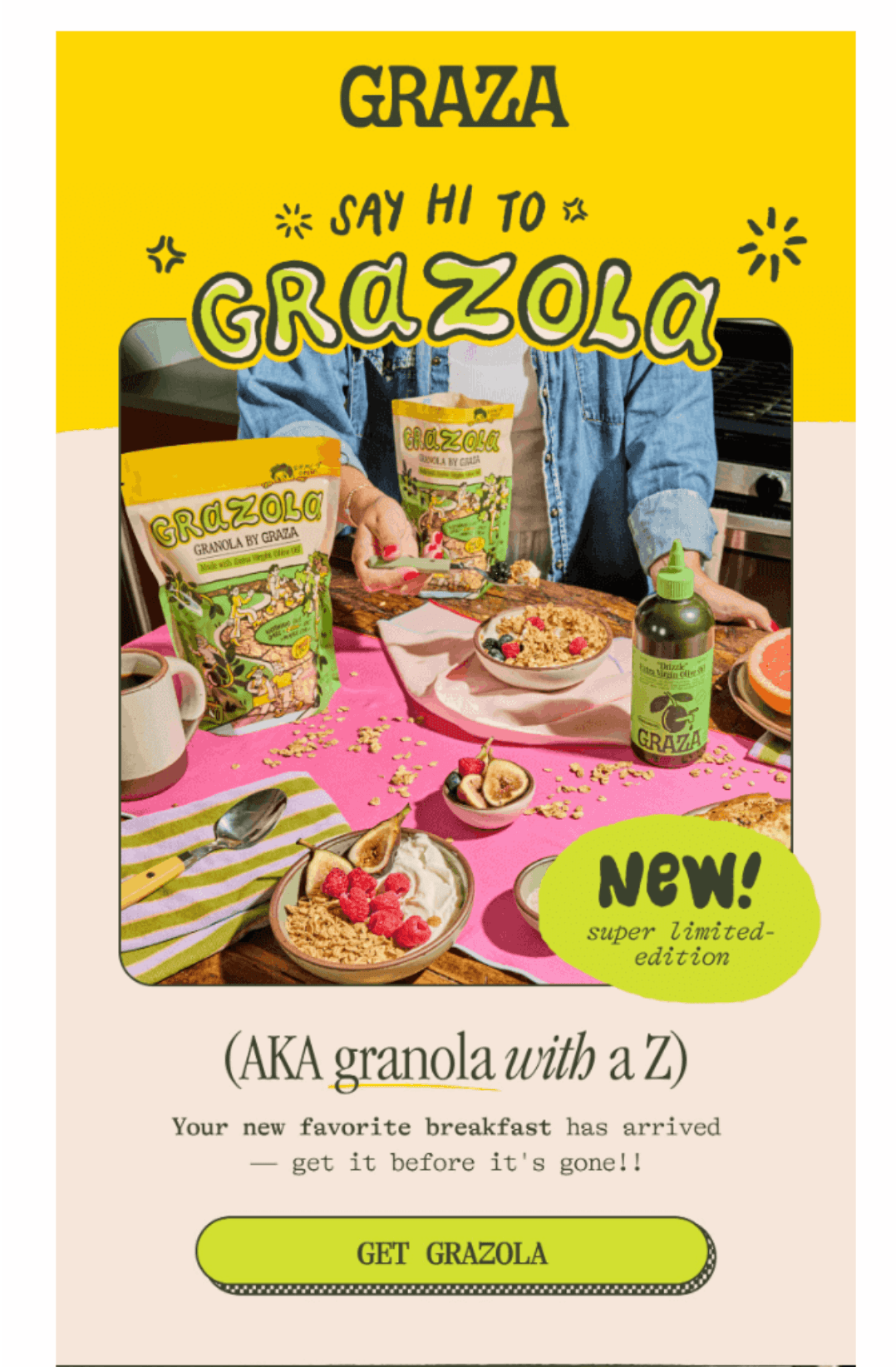
Personalized loyalty programs are only as effective as the intelligence behind them. Customer feedback isn’t a nice-to-have — it’s the raw material for relevance. When brands deploy robust customer feedback systems, they move from guesswork to evidence-based loyalty program design. This means every reward, tier, and communication is shaped by real user sentiment, not internal assumptions. The result: a program that evolves with its audience, not ahead or behind it.
Personalization strategies for loyalty success
Customer experience personalization starts with data, but it’s the application that sets leaders apart. The most effective programs use purchase history, engagement patterns, and stated preferences to tailor rewards. This could mean surfacing exclusive offers based on previous transactions or dynamically adjusting point accrual rates for high-value segments. The key is recognizing that one-size-fits-all rewards dilute perceived value. Precision targeting — not just segmentation — is the new standard for loyalty program design.
Measuring the impact of personalized rewards
It’s not enough to personalize; you have to prove it works. Leading teams track uplift in repeat purchase rates, average order value, and program engagement as direct outcomes of personalization. Feedback loops are critical here. Regularly surveying members and analyzing behavioral data exposes what’s working and what’s noise. This continuous refinement cycle is how personalized loyalty programs stay commercially effective and operationally lean, even as expectations evolve.
Ultimately, the intersection of customer feedback and personalization defines the next generation of loyalty. The brands that listen, adapt, and individualize will see loyalty metrics move — not just in vanity numbers, but in real, profitable behavior. Anything less is just points for the sake of points.
The Power of Brand Voice: Creating Emotional Bonds That Last
Why brand voice matters for loyalty
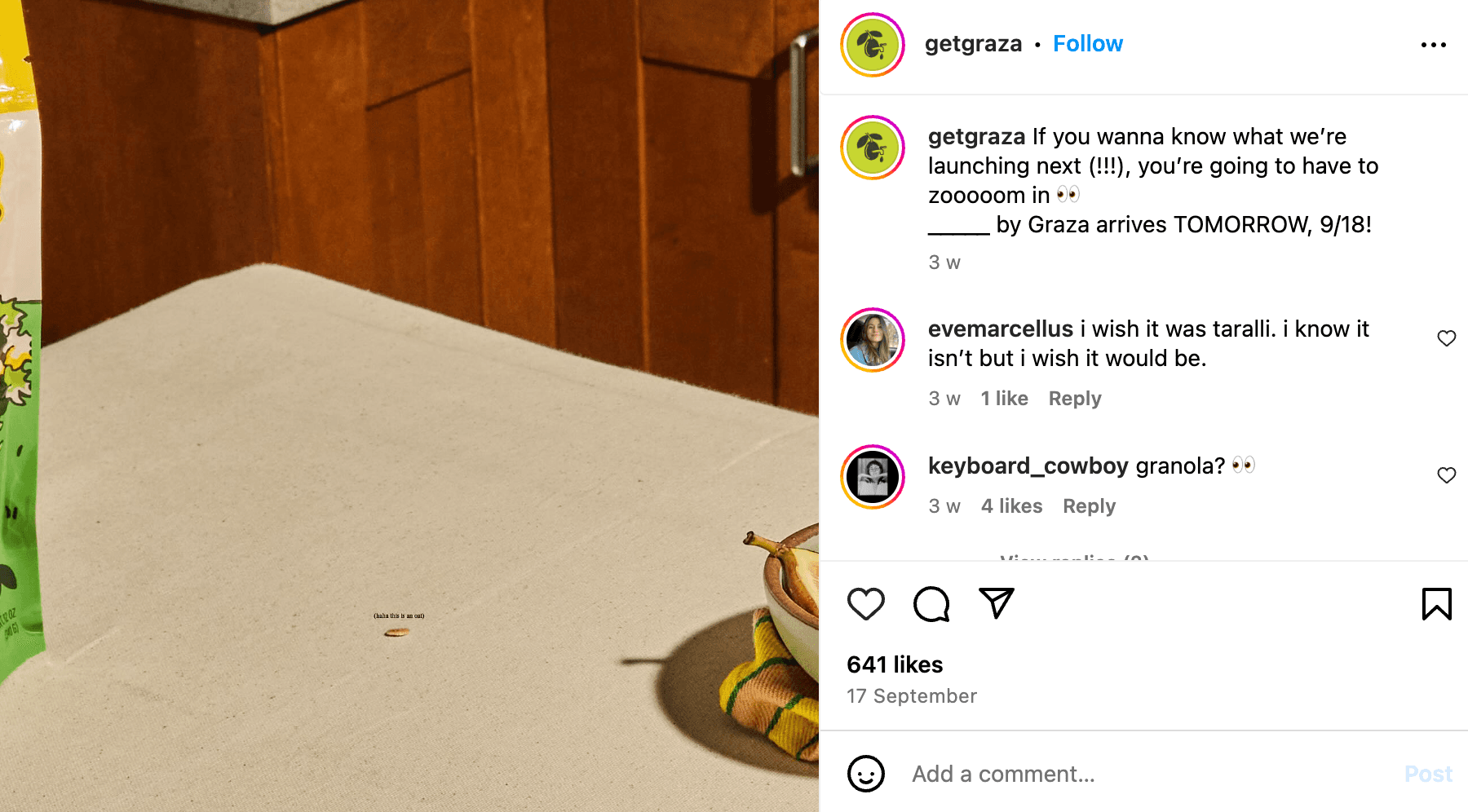
Brand voice and loyalty are inseparable in any serious marketing strategy. A distinctive, consistent voice does more than differentiate—it signals credibility and intent. When every touchpoint, from campaign scripts to customer replies, speaks in the same tone, audiences know what to expect. That reliability is the foundation of trust, which is the currency of long-term loyalty.
How to craft an authentic brand voice
Authenticity is not a veneer; it’s the result of aligning a brand’s internal culture with its external communication. Effective brand communication strategies start by defining core values and translating them into a tone that reflects real-world behaviour. Consistency is non-negotiable—drift, and the illusion of authenticity shatters. Senior marketers know: audiences spot insincerity instantly.
Using storytelling to foster customer loyalty
Emotional branding thrives on narrative. The most resilient brands use storytelling not as a garnish, but as the structure for every interaction. Stories—whether in a 30-second spot or a TikTok reply—anchor abstract values in relatable moments. When customers see themselves in a brand’s narrative, loyalty moves from transactional to emotional. This is where brand storytelling delivers: it transforms casual buyers into advocates who stay through market shifts.
Yet, a brand voice cannot be static. Customer expectations evolve, and so must the nuances of tone and delivery. The brands that maintain loyalty are those that adapt their voice without losing their core. They listen, iterate, and calibrate—not to chase trends, but to remain relevant and human. In a landscape where attention is fleeting, a well-honed brand voice is the signal that cuts through the noise and builds bonds that last.
Measuring and Optimizing Brand Loyalty: Metrics That Matter
What are the best metrics for tracking brand loyalty?
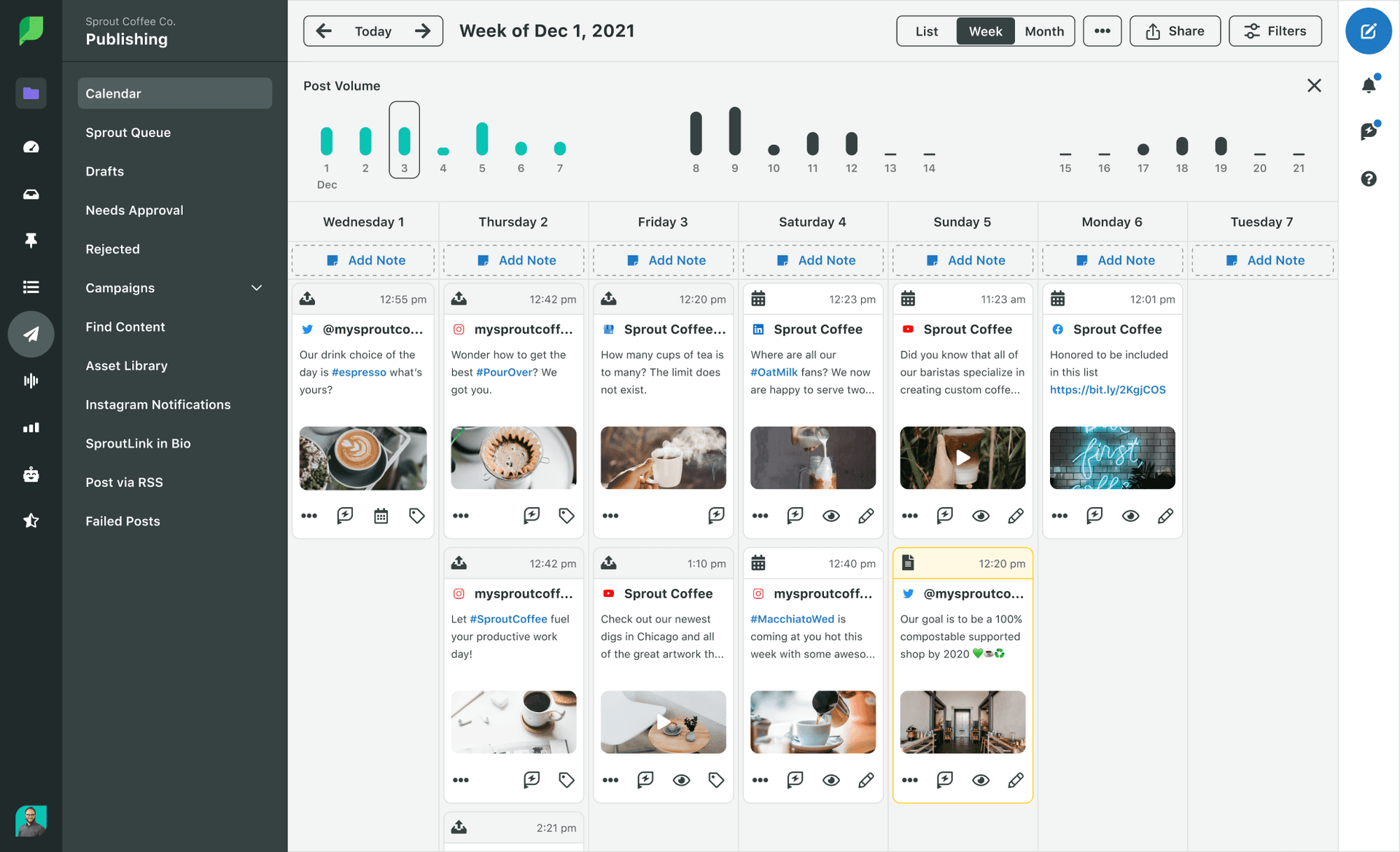
Measuring brand loyalty starts with the right KPIs. Retention rate is non-negotiable—if your customers aren’t returning, your brand isn’t sticky. Net Promoter Score (NPS) offers a pulse on advocacy, but don’t mistake a high NPS for deep loyalty if repeat purchase rate is flat. Frequency of purchase, average customer lifetime value, and churn rate round out a no-nonsense loyalty metrics stack. These aren’t vanity numbers—they’re levers for commercial performance.
How to analyze customer retention and loyalty
Customer retention measurement requires more than a quarterly spreadsheet review. Track cohort behavior over time to surface patterns: are first-time buyers converting into loyalists, or are you cycling through one-and-done customers? Segment by region, channel, or campaign to pinpoint what’s driving—or eroding—loyalty. Layer qualitative signals (like feedback from customer support or social listening) to catch shifts before they hit your bottom line.
Improving loyalty with data-driven insights
Optimizing loyalty strategies means turning metrics into action. Set clear benchmarks based on your category and growth stage—what’s realistic for a challenger brand won’t cut it for an incumbent. Monitor loyalty KPIs monthly, not annually, to catch early warning signs: a dip in repeat purchase rate, a spike in churn, or a slide in NPS. When the numbers move, interrogate the “why” with qualitative follow-ups, then adjust creative, offers, or distribution accordingly. Don’t chase metrics for their own sake; use them to drive decisions that deepen real brand affinity and maximize retention value.
Ultimately, measuring brand loyalty is about discipline, not dashboards. The brands that win are relentless in tracking the right data, ruthless in interpreting it, and proactive in using it to stay ahead of customer expectations. Brand loyalty isn’t static—neither should your measurement approach be.
Conclusion
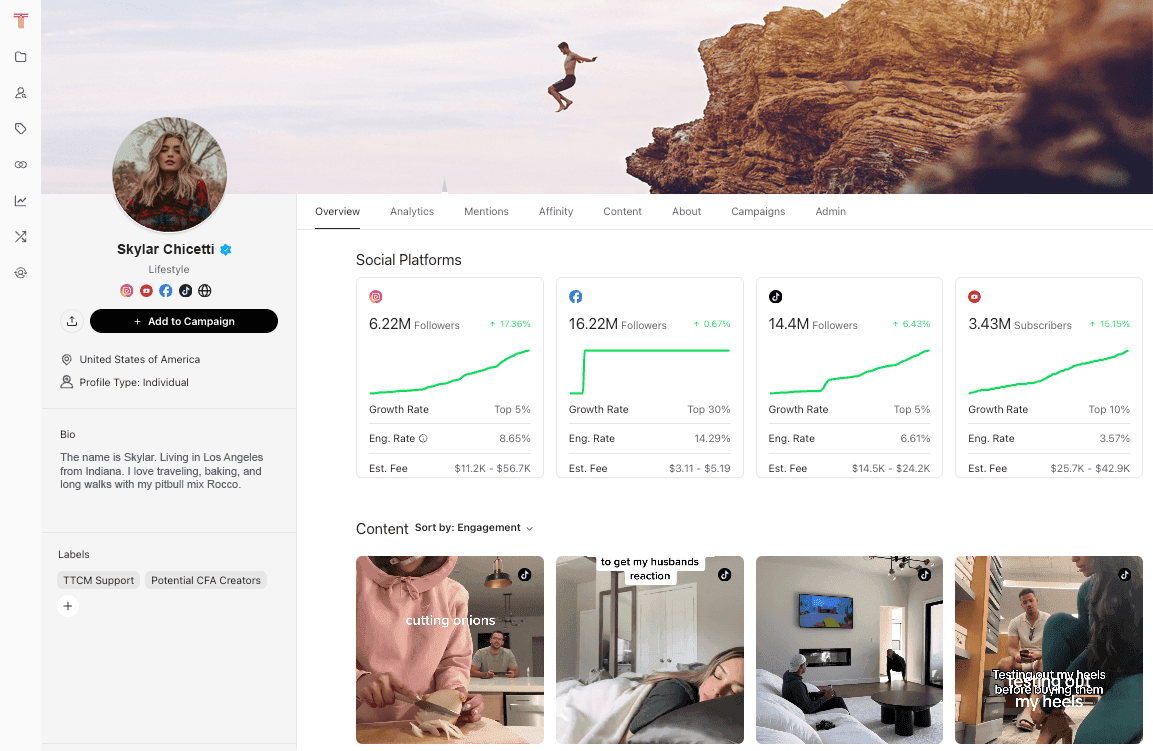
Brand loyalty is not a luxury—it’s a strategic lever that underwrites long-term business growth. In a market where switching costs are low and alternatives are a click away, the importance of brand loyalty sits at the core of sustainable value creation. The brands that endure are those that treat loyalty as an outcome of deliberate, ongoing investment, not a byproduct of one-off campaigns or transactional perks.
Customer loyalty is built on more than functional benefits or competitive pricing. Emotional branding and rational value propositions work in tandem: trust, relevance, and consistency drive attachment, while clear incentives and frictionless experiences reinforce habitual engagement. The best loyalty programs don’t just reward repeat purchase—they deepen the customer’s identification with the brand, making alternatives less attractive and churn less likely.
Yet, loyalty is not static. It’s measured in real behaviours, not sentiment. Loyalty metrics must move beyond vanity, tracking not just NPS or repeat rates but the depth and durability of customer relationships. This demands a continuous loop of listening, adapting, and delivering. Brands that treat customer retention strategies as living systems—flexible, responsive, and data-informed—will outperform those chasing short-term wins.
In the end, the significance of brand loyalty lies in its compounding effect: higher retention, lower acquisition costs, and a customer base that acts as both advocate and shield against market volatility. The brands that master the mechanics and meaning of loyalty are the ones that will define the next era of competitive advantage. Brand loyalty is not just important—it’s foundational.
FAQs
How to build brand loyalty?
Brand loyalty is built through consistent delivery of value, not just product. Prioritise customer experience at every touchpoint, deliver on promises, and maintain relevance through ongoing engagement. Loyalty isn’t a campaign; it’s a sustained commitment to understanding, anticipating, and exceeding your audience’s expectations—across content, service, and product.
What is the difference between brand loyalty and brand affinity?
Brand loyalty is behavioural: customers repeatedly choose your brand over competitors, often regardless of price or convenience. Brand affinity is emotional: people feel a strong connection or alignment with your brand’s values or personality. Loyalty drives repeat business; affinity deepens the relationship but doesn’t always guarantee purchase.
Why is brand loyalty important for businesses?
Brand loyalty underpins long-term profitability. Loyal customers have higher lifetime value, lower acquisition costs, and are more likely to advocate for your brand. In volatile markets, a loyal base provides resilience and predictable revenue. It’s a strategic asset, not a vanity metric, and should be managed as such.
What are the key characteristics of loyal customers?
Loyal customers buy repeatedly, advocate for your brand, and are less price-sensitive. They provide valuable feedback, resist competitor offers, and often engage with your content or community. Their behaviours are proactive—they seek out your brand, not just respond to promotions or discounts.
How does emotional connection influence brand loyalty?
Emotional connection is the multiplier for brand loyalty. When customers feel understood and valued, they move beyond transactional relationships. This emotional layer makes them more forgiving of occasional missteps and more likely to evangelise your brand, turning passive buyers into active supporters.
What are effective loyalty program strategies?
Effective loyalty programs are frictionless, personalised, and genuinely rewarding. Go beyond generic point systems—offer exclusive access, tailored rewards, and recognition for advocacy. Integrate loyalty mechanics into your content and experience, ensuring the program reinforces—not replaces—core brand value.
How to measure brand loyalty effectively?
Track metrics like repeat purchase rate, customer lifetime value, churn rate, and Net Promoter Score. Analyse engagement across owned channels and monitor advocacy through referrals or social mentions. The most telling signal: customers who return without prompting, regardless of incentives or external noise.
.webp)
Creative Collaboration Platform: The Backbone of Modern Creative WorkWhat is a creative collaboration platform?Clapboard defines a creative collaboration platform as the operational core for today’s distributed creative teams. This is not a collection of digital collaboration tools stitched together; Clapboard’s system

Understanding the Creative Production MarketplaceWhat is a Creative Production Marketplace?Clapboard defines a creative production marketplace as a structured ecosystem where brands, agencies, and production talent converge to execute video, advertising, and branded content at scale. Unlike the legacy agency or freelanREAD FULL ARTICLE

The Urgent Need for a Creative Production Operating SystemWhy Traditional Creative Production Models Break DownClapboard sees the creative production landscape shifting under pressure. Content velocity is no longer a buzzword—it’s a mandate. Modern advertising demands relentless output across dozens of channels, each wREAD FULL ARTICLE

JOIN THE NEWSLETTER.
Content Production insights, videos, books, and freebies, delivered to your inbox weekly


LEAVE A COMMENT
Your email address will not be published.