



Varun Katyal | Founder, Clapboard
Varun Katyal is the Founder & CEO of Clapboard and a former Creative Director at Ogilvy, with 15+ years of experience across advertising, branded content, and film production. He built Clapboard after seeing firsthand that the industry’s traditional ways of sourcing talent, structuring teams, and delivering creative work were no longer built for the volume, velocity, and complexity of modern content. Clapboard is his answer — a video-first creative operating system that brings together a curated talent marketplace, managed production services, and an AI- and automation-powered layer into a single ecosystem for advertising, branded content, and film. It is designed for a market where brands need content at a scale, speed, and level of specialization that legacy agencies and generic freelance platforms were never built to deliver. The thinking, frameworks, and editorial perspective behind this blog are shaped by Varun’s experience across both the agency world and the emerging platform-led future of creative production. LinkedIn: https://www.linkedin.com/in/varun-katyal-clapboard/
Defining Your Brand Community’s Core Purpose
Understanding how to build a brand community starts with clarity—on purpose, people, and outcomes. A brand community that endures is never a vanity project. It’s a strategic asset, rooted in a mission that extends beyond product features or campaign cycles. The real question: what do you stand for when the product is out of frame? Your answer forms the backbone of everything that follows.
Steps to define your community’s mission
Strip away the slogans. The mission of your brand community should be distinct from your general brand mission, though aligned. Start by interrogating your brand’s core values—what’s non-negotiable, what drives your team, and what change are you championing in your sector? From there, articulate a community purpose that’s both specific and generous: it should serve your audience’s interests while reinforcing your brand’s unique point of view. For a deeper dive, see our brand mission development guide.
Identifying and understanding your core audience
Precision beats reach. Defining community goals is meaningless if you’re unclear on who you’re gathering. Map your ideal community members: not just demographics, but motivations, pain points, and professional context. Who benefits most from belonging—and who will contribute back? This is where audience segmentation moves from data exercise to strategic lever. For practical frameworks, consult our audience segmentation tips.
Setting actionable goals for your brand community
Community goals must be measurable, relevant, and tied to broader business objectives. Are you building advocacy, driving product feedback, or fostering peer learning? Each goal demands a different engagement model and content strategy. Set the tone early: define the rules of engagement, the cultural norms, and the long-term vision. This is how you avoid the trap of empty engagement and build a community with momentum.
In short, defining your brand community’s purpose is not a one-off workshop—it’s the foundation for everything else. Get it right, and your community becomes a force multiplier for your brand and business alike.
Why Brand Communities Matter in Modern Marketing
Understanding how to build a brand community isn’t a theoretical exercise anymore—it’s a commercial necessity. The landscape has shifted: consumers don’t just expect products, they expect participation. They want to belong, to connect, and to engage with brands in ways that feel genuine. This isn’t about fostering superficial engagement; it’s about engineering environments where customers invest emotionally and socially, not just financially.
What makes a brand community valuable today?
The value of a brand community lies in its ability to drive brand loyalty and advocacy at scale. When customers are part of a community, they’re not just buyers—they’re collaborators and evangelists. This translates into higher retention, richer feedback loops, and a self-reinforcing cycle of engagement. The result: lower acquisition costs and increased customer lifetime value, which any commercial strategist should have at the top of their priority list.
How community-driven brands outperform competitors
Brands that prioritise community outperform because they build more resilient relationships. In a market where switching costs are low and alternatives are abundant, community is the differentiator that can’t be easily copied. Community-driven brands see stronger word-of-mouth, more organic growth, and a higher degree of trust. It’s not a coincidence that the most enduring brands don’t just talk to their audience—they talk with them.
The link between brand communities and customer retention
Retention is the metric where brand community benefits become most obvious. A connected customer is a retained customer. Communities give people reasons to return, participate, and advocate. They also create a buffer against competitive offers and market volatility. If you’re serious about customer engagement and retention, community isn’t a side project—it’s the backbone of any meaningful customer loyalty strategy and a critical piece of effective brand engagement tactics.
Choosing the Right Platform for Your Brand Community
The brand community platform you select will dictate not just where your audience gathers, but how they interact, what data you own, and how your brand narrative evolves. There’s no one-size-fits-all answer—choice is dictated by your audience’s digital habits, your moderation bandwidth, and your appetite for control versus reach.
How to select the best platform for your community
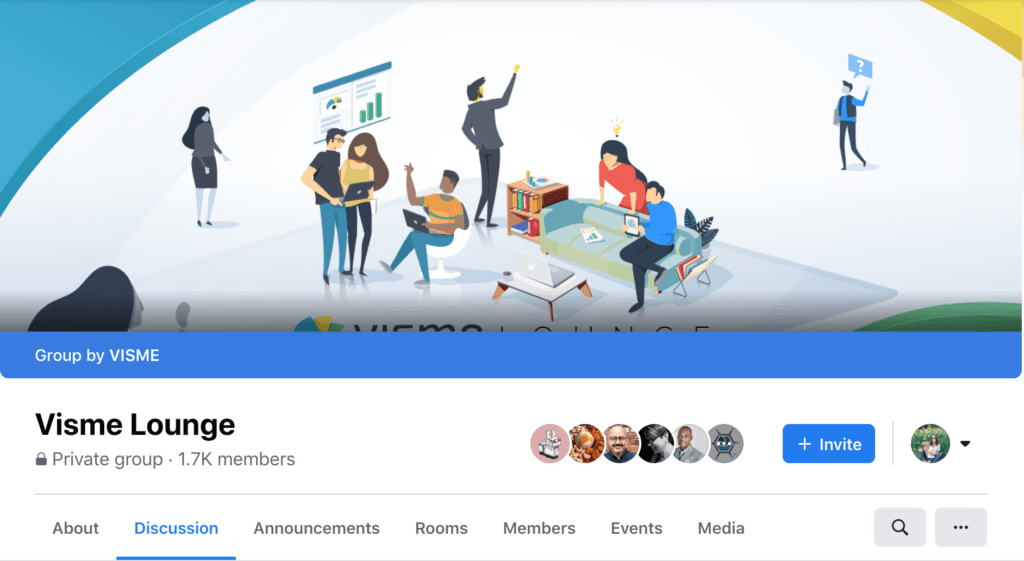
Start with your audience. Where do they already congregate, and how do they prefer to engage? If your core is digitally native and values privacy, a proprietary forum or branded app offers control and data ownership. If immediate scale and low friction matter, social media groups or mainstream online forums provide easier access but less control. Hosted environments like social media groups and online forums enable active engagement through content, discussions, and user-generated sharing—ideal for sparking belonging and momentum (Slate Teams, 2024).
Comparing online community platforms for brands
Proprietary platforms—your own forum or app—offer unrivaled control, customisation, and first-party data. They require ongoing investment: tech, moderation, and content. Social media groups (think LinkedIn or Facebook) offer massive reach and baked-in engagement mechanics but leave you exposed to algorithm changes and limited data. Online forums sit between: less algorithmic risk, more niche authority, but still reliant on third-party infrastructure. Your resource capacity—team size, tech stack, moderation ability—should shape your decision as much as audience preference.
Offline vs. online brand community spaces
Offline spaces—events, meetups, workshops—build depth and loyalty, but lack scale and ongoing touchpoints. Hybrid models are emerging, where digital platforms anchor the community and offline moments provide spikes in engagement. The most effective brands fuel conversations across both, using hero products or flagship content to keep the flywheel spinning (McKinsey, 2023).
Ultimately, the right brand community platform is the one that matches your audience’s behaviors, your operational reality, and your long-term objectives. Prioritise scalability, moderation capability, and the level of ownership you require. The goal isn’t to follow trends, but to build a resilient space where your brand and audience can grow together.

Building the Foundation: Brand Identity and Community Guidelines
Establishing effective community guidelines for your brand
Brand community guidelines are not a compliance document—they’re the operational backbone for trust and participation. Setting clear, enforceable rules signals that you value both member safety and open exchange. The best guidelines are specific, not vague. They address expected behaviors, escalation processes, and what constitutes a breach. This clarity removes ambiguity, allowing members to focus on meaningful interaction rather than second-guessing boundaries. Inclusive language matters, but so does the willingness to act when lines are crossed. If you want a high-performing community, don’t delegate rule enforcement to automation alone; visible, human moderation drives real accountability.
Ensuring brand identity shines through in your community
Your brand identity isn’t just a logo or a tagline—it’s the lived experience of your community. Every touchpoint, from pinned posts to moderator tone, should reinforce your values and mission. Consistency in brand voice across channels builds recognition and trust, making members feel part of something larger than themselves (Slate Teams, 2023). This is where most brands fail: they dilute their identity by bending to every trend or vocal minority. Instead, translate your core values into actionable community rules and culture. If your brand is about bold thinking, don’t punish challenging questions. If it’s about inclusivity, ensure guidelines explicitly protect diverse voices.
Balancing structure and flexibility in community rules
Rigid rules stifle creativity; unchecked freedom invites chaos. The commercial sweet spot is a framework that balances both. Set non-negotiables—zero tolerance for harassment, for example—but leave space for organic conversation and member-driven initiatives. Brands that activate the community flywheel by aligning on stories and guardrails empower members and influencers to create content within agreed boundaries, ensuring brand voice consistency without micromanagement (McKinsey, 2023). This approach scales: it creates a culture where guidelines are respected because they feel fair and relevant, not imposed for their own sake.
Ultimately, building a resilient brand community is about translating brand identity into daily practice, then backing it with clear, enforceable guidelines. The result: a space where trust compounds, creativity flourishes, and commercial value follows naturally.

Content and Engagement Strategies for a Thriving Community
Content ideas to engage your brand community
Brand community engagement hinges on relevance and utility, not just frequency. Prioritize content that sparks debate, solves real problems, or showcases member expertise. Live Q&As with internal experts, behind-the-scenes production breakdowns, and member spotlights outperform generic updates. Curate themed challenges—such as creative briefs or campaign audits—that invite members to show their work and share results. This approach turns passive consumption into active contribution, deepening the sense of belonging.
How to encourage member participation
Member participation doesn’t happen by accident. Engineer it. Start by lowering the barrier to entry: offer templates, starter prompts, or collaborative projects that let members contribute without overcommitting. Incentivize peer-to-peer support—recognize those who answer questions or provide feedback. Gamification works when it’s meaningful: badges for expertise, leaderboards for consistent contribution, and tangible rewards for top contributors. The goal is to make participation visible and valuable, not just a vanity metric.
Using feedback to evolve your community
Community feedback is your R&D engine. Schedule regular pulse surveys and open forums to surface pain points and emerging needs. But don’t just collect data—close the loop publicly. Share what you’re changing based on feedback, and highlight contributors by name. This transparency signals that member voices drive evolution, increasing investment and trust. Build feedback directly into your content strategy: pilot new formats, solicit rapid reactions, and iterate fast. The result is a community that feels co-owned, not broadcast to.
Effective brand community engagement demands a blend of strategic content, engineered participation, and real empowerment. The communities that thrive are those where members see their input shaping the direction—where every interaction is both a contribution and an investment in shared success.
Measuring Success: Key Metrics for Brand Community Growth
The most important metrics for brand communities
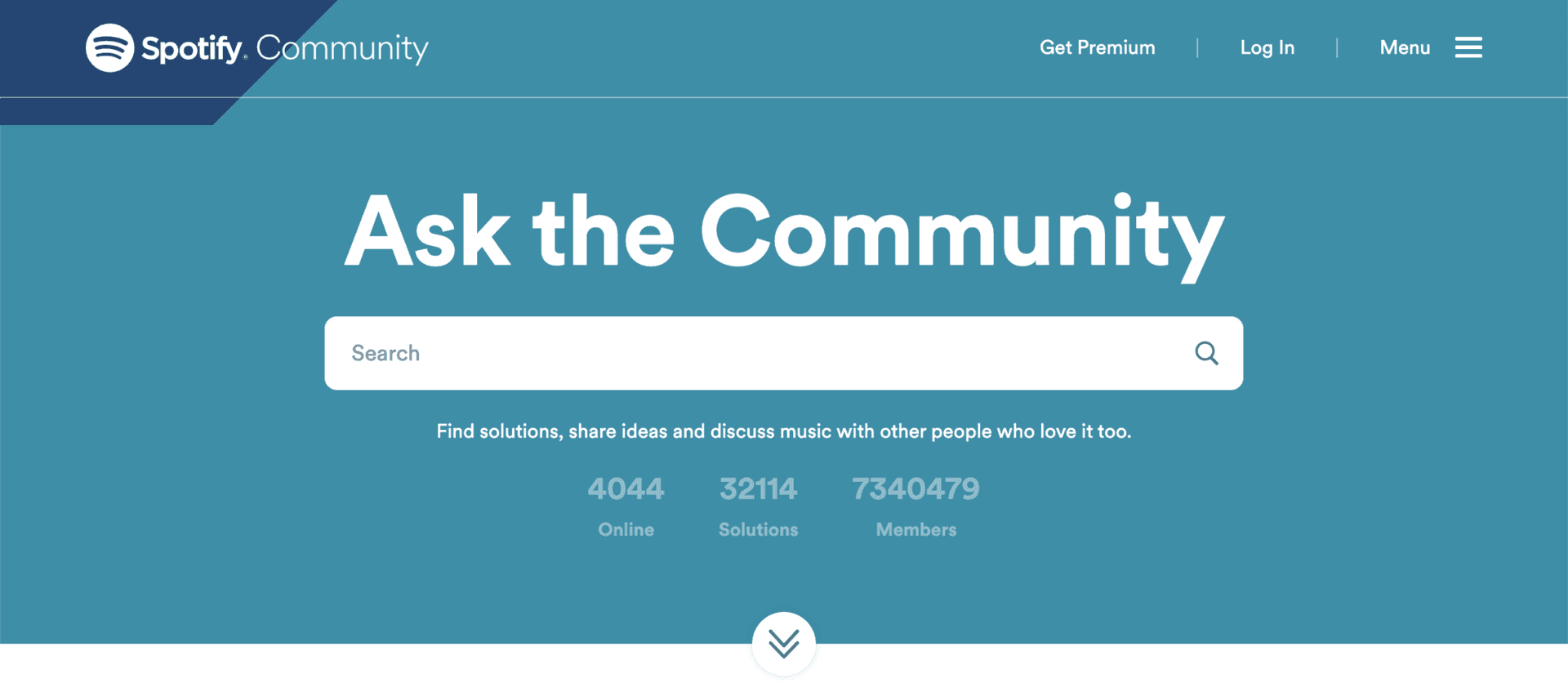
Brand community metrics are only as valuable as their relevance to business outcomes. Start with the essentials: active members, participation rates, and post frequency. These numbers signal the community’s baseline health. Layer in engagement rates—comments, shares, and direct interactions—not just likes. Growth rate matters, but velocity without substance is noise. Sentiment analysis, whether automated or manual, gives you a read on mood and advocacy, not just volume.
How to measure engagement and loyalty
Engagement measurement is about depth, not just breadth. Look for repeat contributors, time spent per session, and user-generated content volume. Loyalty shows up in cohort retention: how many join, stay, and participate over time. Track referral rates—organic member acquisition is a leading indicator of real value. Use tagging and tracking to connect content themes with spikes in interaction, revealing what actually resonates.
Interpreting data to improve your community strategy
Community analytics tools now surface both quantitative and qualitative insights. Dashboards from leading platforms consolidate metrics, but the real edge comes from custom dashboards that tie community activity to broader business KPIs—lead generation, conversion, retention. The ROI of community isn’t theoretical: map engagement surges to campaign performance or customer lifetime value. Regularly audit your measurement stack; static metrics breed complacency. The most effective teams iterate fast, running controlled experiments and adjusting incentives, content formats, and moderation based on live data.
Ultimately, measuring brand community success means linking community analytics to tangible outcomes. If your metrics don’t inform commercial decisions, they’re vanity. Prioritise what moves the needle, then build a system that lets you pivot as the community—and the business—evolves. For a deeper dive into tracking community growth or measuring engagement success, focus on metrics that drive both creative and commercial impact.
Overcoming Common Challenges When Building a Brand Community
Common pitfalls in building a brand community
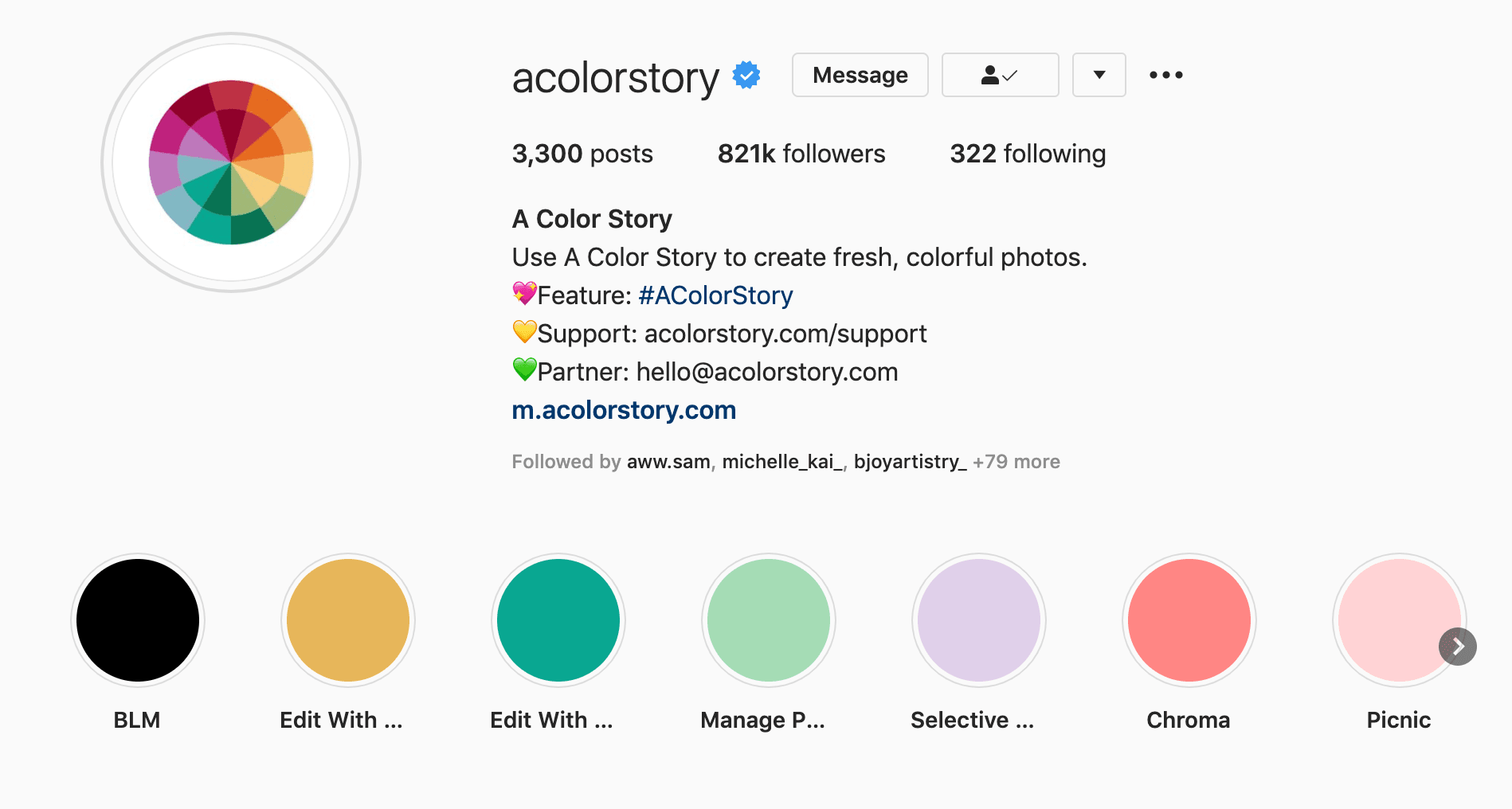
The challenges of building a brand community are rarely about tools or platforms. They’re about people, expectations, and the operational discipline to keep things moving. Slow growth is the first wall most brands hit. You launch with fanfare, but momentum stalls. Inactive members quietly dilute the value for those who do show up. Then there’s the classic trap: focusing on vanity metrics over real engagement, leading to a hollowed-out community that looks impressive only on a dashboard.
Strategies for handling community conflict
Conflict is inevitable. The difference between a thriving community and a toxic one is how you handle it. Community management pitfalls often stem from ignoring early warning signs—passive-aggressive comments, cliques, or unchecked negativity. Proactive moderation is non-negotiable. Set clear guidelines, enforce them consistently, and don’t outsource hard conversations to automation. Conflict resolution requires transparency and speed: address issues publicly when appropriate, but never escalate drama for visibility. If you need tactical advice, see our community moderation tips.
Keeping your brand community active and positive
Sustaining engagement is an ongoing battle. Engagement slumps aren’t just a dip in numbers—they’re a signal that your value proposition needs refreshing. Rotate formats, introduce member-led initiatives, and spotlight genuine contributions. Preventing manager burnout is equally critical. A single overwhelmed moderator is a bottleneck; distribute responsibilities, automate low-value tasks, and invest in upskilling your team. For deeper strategies, explore overcoming engagement slumps.
Adapting to changing member needs and external trends is where most communities lose relevance. Don’t treat your roadmap as static. Run regular feedback loops, track sentiment, and be ready to pivot on both content and community structure. The brands that win don’t just build communities—they evolve them, quickly and unapologetically, to stay ahead of shifting expectations.
Lessons from Successful Brand Communities
What top brand communities do differently
Brand community success stories rarely follow a single formula. The standout communities—think global sportswear forums, cult beverage fanbases, or B2B SaaS user groups—win by designing participation, not just presence. They build architecture for peer-to-peer value exchange, not just brand-to-consumer messaging. The best brand community examples don’t chase empty metrics; they prioritise depth of engagement over breadth, focusing on high-value interactions that drive real advocacy.
Learning from brand community case studies
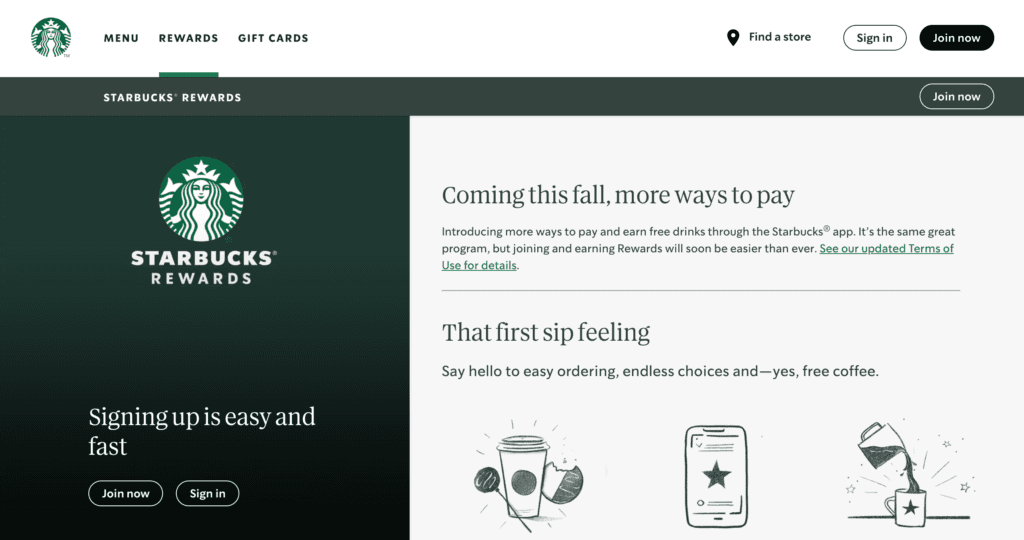
Successful brand communities create clear reasons for members to invest time and attention. In practice, this looks like exclusive events, direct access to product teams, or tangible rewards for contribution. Community innovation is visible in how these brands turn user feedback into product features, or how they empower members to co-create content and experiences. The most effective tactics aren’t just about scale—they’re about giving members a stake in the brand’s trajectory.
Adapting best practices to your brand community
Best practices are only as valuable as their fit with your audience. What works for a lifestyle apparel brand won’t automatically translate to a fintech challenger or a SaaS platform. The lesson: treat every tactic as a prototype, not a template. Test, measure, and adapt—especially when it comes to incentivising participation or moderating discussion. Community innovation isn’t about novelty for its own sake; it’s about solving for your members’ unmet needs, in ways competitors can’t or won’t replicate.
Authenticity remains the non-negotiable. The most resilient brand community success stories are built on trust, not hype. Members can spot inauthentic engagement a mile off. Sustainable communities invest in transparency, respond to criticism, and evolve with their members’ priorities. If you’re looking for inspiration, explore our case studies in community building and inspiring brand community tactics—but remember, the only best practice that matters is the one that moves your business forward.
Conclusion
Brand communities aren’t a marketing side project—they are a strategic asset that drives brand loyalty, deepens customer engagement, and delivers measurable business impact. The organisations that treat community-building as a deliberate, ongoing practice—not a one-off campaign—see returns that compound over time. Loyalty is earned through relevance and value, not noise or empty gestures.
Success starts with clarity of purpose and audience. The most resilient brand communities are built on a foundation of shared values, not just shared products. Defining who the community is for—and why it exists—sets the guardrails for every engagement decision that follows. It’s the difference between a group that grows organically and one that fizzles out after the launch hype.
Effective engagement isn’t about volume; it’s about substance and consistency. Leaders in this space use a mix of content, conversation, and participation mechanics tailored to their audience’s motivations. They don’t chase every platform or trend—they optimise for what actually moves the needle on community growth and advocacy. Measurement is non-negotiable. Tracking engagement health, not just vanity metrics, is how brands identify what’s working and where to adapt. This is where the real work happens: refining strategies, addressing engagement slumps, and doubling down on what sustains momentum.
The modern marketing landscape rewards brands that invest in genuine, well-managed communities. Those who define their purpose, execute with discipline, and measure with intent will see the benefits—loyalty, advocacy, and resilience—play out at scale. Community is not a trend; it’s a core lever for long-term brand strength.
FAQs
How to build a brand community?
Start by defining a clear purpose that aligns with your brand’s core values and audience needs. Identify your most engaged customers and invite them to participate early. Foster meaningful interactions, not just transactions, and create spaces—digital or physical—where members can connect, contribute, and feel ownership.
What are the benefits of brand communities?
Brand communities drive organic advocacy, reduce acquisition costs, and generate actionable feedback. For consumers, they offer a sense of belonging and direct access to the brand. For brands, the upside is higher retention, deeper insights, and a buffer against competitive churn.
Why is customer loyalty important in brand communities?
Loyalty is the engine of any brand community. Loyal members contribute content, moderate discussions, and advocate for the brand, amplifying marketing efforts. Their ongoing engagement sustains the community, making it more resilient to market fluctuations and competitive threats.
How to choose the right platform for a brand community?
Evaluate where your audience already spends time—don’t force migration. Consider the level of control, data access, and scalability each platform offers. Owned platforms provide control but require more resources; third-party platforms offer reach but less flexibility. Match platform to strategic priorities, not just trends.
What are effective content strategies for brand community engagement?
Prioritise content that sparks discussion and recognises member contributions. Use behind-the-scenes access, AMAs, and user-generated content to keep the community active. Rotate formats—video, polls, live events—to avoid fatigue. Always tie content back to the community’s core purpose.
How to measure the success of a brand community?
Track metrics like active member growth, engagement rate, retention, and referral activity. Qualitative signals—such as sentiment, advocacy, and member stories—matter as much as quantitative data. Use these insights to refine strategy and demonstrate community impact to stakeholders.
What common challenges do brand communities face?
Key challenges include member apathy, content fatigue, and moderation issues. Address these with proactive engagement, evolving content formats, and clear community guidelines. Regularly solicit feedback and iterate—community management is a dynamic, ongoing process, not a set-and-forget task.
.webp)
Creative Collaboration Platform: The Backbone of Modern Creative WorkWhat is a creative collaboration platform?Clapboard defines a creative collaboration platform as the operational core for today’s distributed creative teams. This is not a collection of digital collaboration tools stitched together; Clapboard’s system

Understanding the Creative Production MarketplaceWhat is a Creative Production Marketplace?Clapboard defines a creative production marketplace as a structured ecosystem where brands, agencies, and production talent converge to execute video, advertising, and branded content at scale. Unlike the legacy agency or freelanREAD FULL ARTICLE

The Urgent Need for a Creative Production Operating SystemWhy Traditional Creative Production Models Break DownClapboard sees the creative production landscape shifting under pressure. Content velocity is no longer a buzzword—it’s a mandate. Modern advertising demands relentless output across dozens of channels, each wREAD FULL ARTICLE

JOIN THE NEWSLETTER.
Content Production insights, videos, books, and freebies, delivered to your inbox weekly


LEAVE A COMMENT
Your email address will not be published.