



Varun Katyal | Founder, Clapboard
Varun Katyal is the Founder & CEO of Clapboard and a former Creative Director at Ogilvy, with 15+ years of experience across advertising, branded content, and film production. He built Clapboard after seeing firsthand that the industry’s traditional ways of sourcing talent, structuring teams, and delivering creative work were no longer built for the volume, velocity, and complexity of modern content. Clapboard is his answer — a video-first creative operating system that brings together a curated talent marketplace, managed production services, and an AI- and automation-powered layer into a single ecosystem for advertising, branded content, and film. It is designed for a market where brands need content at a scale, speed, and level of specialization that legacy agencies and generic freelance platforms were never built to deliver. The thinking, frameworks, and editorial perspective behind this blog are shaped by Varun’s experience across both the agency world and the emerging platform-led future of creative production. LinkedIn: https://www.linkedin.com/in/varun-katyal-clapboard/
Defining Employer Branding Strategy—Beyond the Buzzwords
Employer branding strategy explained for HR leaders
An employer branding strategy is not a tagline or a recruitment campaign. It’s a deliberate, ongoing framework for shaping how your company is perceived as a place to work—internally and externally. At its core, this strategy aligns the reality of your workplace with the narrative you project, driving consistency across touchpoints, from job listings to leadership interviews. It’s about reputation, not just recognition. The goal: to influence workplace perception in ways that attract, engage, and retain the talent your business actually needs.
Employer brand vs consumer brand: What’s the difference?
Confusing employer brand definition with consumer brand is a rookie mistake. The consumer brand is how you’re seen by buyers; the employer brand is how you’re seen by talent. Both matter, but their audiences, value propositions, and proof points diverge. The employer brand is judged by what it’s like to work for you, not what you sell. This distinction isn’t academic—it shapes messaging, creative, and budget allocation. For a deeper dive, see our analysis on the differences between employer and consumer brand.
Elements of a successful employer branding approach
Effective employer branding strategy is built on three pillars: perception, reputation, and company image. Perception is the sum of every candidate and employee touchpoint—job ads, Glassdoor reviews, even how your team shows up at industry events. Reputation is earned through consistency and delivery; it’s fragile and accumulates over time. Company image is the curated aspect—what you choose to showcase, from benefits to leadership culture. These elements are interdependent and require active management, not passive hope.
Clarity of employer branding strategy is non-negotiable. Without a shared definition, efforts become fragmented, diluted, and impossible to measure. This isn’t a one-off campaign to tick off HR’s to-do list. It’s a discipline—one that, when executed with intent, directly impacts your ability to compete for the right talent. For foundational context, revisit our guide on what is employer branding.
Why Employer Branding Strategy Matters in Today’s Talent Market
The battle for top talent is no longer fought on compensation alone. In a hyper-competitive job market, an employer branding strategy is now a board-level concern. Senior leaders have seen the cost of getting this wrong: missed growth targets, stalled innovation, and a revolving door of under-engaged hires. When every business is pitching itself as a destination, perception is the real differentiator. Employer reputation isn’t a side effect—it’s a lever for business outcomes.
The link between employer branding strategy and recruitment success
Talent acquisition is a zero-sum game. The best candidates have options, and they move fast. A credible employer branding strategy doesn’t just fill seats; it attracts people who align with your mission, values, and ambition. This alignment compounds over time—lowering attrition, accelerating onboarding, and raising the quality of work. It’s not about glossy videos or empty slogans. It’s about building a narrative that stands up to scrutiny, both internally and externally. For those looking to go deeper, see our guide on talent attraction best practices.
How talent market trends are shaping employer branding priorities
Today’s candidates interrogate more than salary. They want purpose, flexibility, and evidence of real culture—not just claims. Social proof, employee advocacy, and transparent communication are now prerequisites. Companies can no longer rely on legacy reputation or industry prestige. The shift is structural: employer branding has moved from a tactical HR function to a strategic imperative. Leaders must own the narrative and invest in assets that reflect lived employee experience. Those that don’t will lose out to more agile, authentic competitors.
Why employer reputation impacts business outcomes
Employer reputation is inseparable from corporate reputation. Poor perception as an employer bleeds into customer trust, investor confidence, and even partner relationships. In a landscape where information is frictionless, every candidate touchpoint is a brand moment. The stakes are high: a weak employer brand limits access to talent, erodes morale, and ultimately constrains growth. Building a strong employer brand isn’t a box to tick—it’s a foundation for sustained advantage.
Core Components of an Effective Employer Branding Strategy
Key elements every employer branding strategy needs
An effective employer branding strategy starts with a well-defined Employer Value Proposition (EVP). This isn’t a slogan; it’s a clear articulation of what your company offers employees in exchange for their skills, energy, and commitment. Without a sharp EVP, everything else is noise. The EVP must be credible, rooted in real experience, and visible at every candidate and employee touchpoint. Alongside EVP, the strategy must integrate company culture, employee experience, and external reputation into a coherent whole (Datapeople, 2024). If one of these pillars is weak or inconsistent, the entire structure falters.
How company culture drives employer branding success
Company culture is the operational backbone of any employer branding strategy. It’s not the perks or the office design; it’s how decisions are made, how feedback is handled, and how people interact daily. Culture must be lived, not just stated. When culture and company values are aligned and visible, every piece of employer communication gains credibility. Candidates can spot performative branding a mile away. True differentiation comes from a culture that’s consistent, scalable, and supported by leadership at every level. For a deeper dive on this, see our section on company culture and values.
Using employee advocacy to strengthen your brand
Employee advocacy is the single most effective lever for credibility. When employees share their authentic stories, the brand message carries weight. This isn’t about orchestrated testimonials; it’s about enabling employees to speak openly—warts and all—about their experience. The result is authenticity at scale, which drives trust and attracts the right talent. Organisations that prioritise employee advocacy see higher retention and a stronger reputation in the market (Universum, 2024). For practical implementation, explore our guide to employee storytelling programs.
Alignment is non-negotiable. Brand mission, vision, and values must be synchronised with the lived reality of employees. Any disconnect between what’s promised externally and what’s delivered internally will be exposed quickly, damaging both recruitment and retention. The most effective employer branding strategies are those where narrative, culture, and advocacy operate in lockstep, shaping a reputation that’s both attractive and defensible.

Assessing Your Current Employer Branding Strategy: Where Do You Stand?
How to audit your employer branding strategy
Assessing employer branding strategy isn’t a box-ticking exercise—it’s a commercial imperative. Start with a clear-eyed employer brand audit. Map every touchpoint: careers site, job descriptions, onboarding, exit interviews. Scrutinize each for consistency, relevance, and alignment with your actual employee experience. Ignore fluff. The goal is to expose gaps, not to confirm what you already believe.
Benchmark against competitors and market expectations. Look at your messaging, your value proposition, and your visibility. Are you attracting the right talent, or just adding noise to the market? Small to medium-sized businesses with robust employer branding strategies enjoy 50% lower recruiting costs, 50% more qualified applicants, and 1-2 times faster time to fill open jobs (LinkedIn via Wowledge, 2023). That’s the commercial upside of a disciplined audit.
Using surveys and feedback for brand assessment
Employee feedback is your reality check. Internal surveys, anonymous pulse checks, and structured interviews reveal what your people actually think—beyond the annual engagement survey. Pair this with external signals: analyze Glassdoor reviews, social media mentions, and candidate feedback. Survey your employees and read your company reviews to know where you are, giving a starting point for where your company needs to go (INTOO, 2023).
Don’t just collect data—interrogate it. Spot patterns in negative feedback. Are there recurring complaints about leadership, culture, or the recruitment process? Each negative insight is an opportunity for action. Use this intelligence to prioritize fixes that move the needle, not just those that are easy to implement.
Improving candidate experience through brand evaluation
The recruitment process is your employer brand in motion. Every candidate touchpoint—application, interview, feedback—shapes perception. Review your process end-to-end. Are you delivering clarity, respect, and speed? Or are you losing top talent to friction and opacity? A strong employer brand isn’t just about messaging; it’s about operational reality.
Set a baseline. Use your audit findings and feedback to define where you stand today. This is your reference point for every future initiative, campaign, or investment. Effective employer brand assessment isn’t about perfection—it’s about ruthless clarity and targeted progress. If you’re not sure where to start, use an employer brand assessment checklist to structure your review and revisit regularly as the market shifts.

Crafting a Compelling Employee Value Proposition (EVP) Aligned with Your Employer Branding Strategy
The employee value proposition employer branding strategy is not a slogan. It’s the operational core of how you compete for talent and drive retention. A strong EVP is built from the ground up—anchored in what your business actually delivers and what your people genuinely value. It’s not about perks for the sake of optics; it’s about the specific blend of rewards, benefits, culture, growth opportunities, and purpose that sets your organisation apart.
Building an EVP that supports your employer branding strategy
Effective EVP development starts with a forensic look at your workforce. Use structured interviews, pulse surveys, and exit data to surface what matters most to your top performers—don’t mistake leadership assumptions for reality. Map these insights against your organisational strengths and market positioning. The goal: a proposition that is both aspirational and credible, never generic or overpromised.
Aligning employee value proposition with company goals
Alignment is non-negotiable. If your EVP doesn’t reinforce business objectives—whether that’s innovation, operational excellence, or rapid growth—it’s dead weight. Every component, from flexible work to learning paths, must support the culture and outcomes you want to drive. Regularly stress-test your EVP against evolving company priorities and external talent market shifts. Static EVPs are quickly outpaced.
Communicating your EVP for maximum impact
Consistency is where most employer branding strategies fall apart. Your EVP should be the throughline in talent attraction messaging, onboarding, and internal comms. Every channel—career sites, social, job specs, leadership presentations—must echo the same core promise. This isn’t about repetition; it’s about clarity and reinforcement. When your EVP is lived and seen at every touchpoint, it attracts the right candidates and galvanises existing teams.
In a market where talent has options, your employee value proposition employer branding strategy is only as strong as its alignment with reality and relevance. Build it on truth, align it with ambition, and communicate it relentlessly. Anything less is noise.
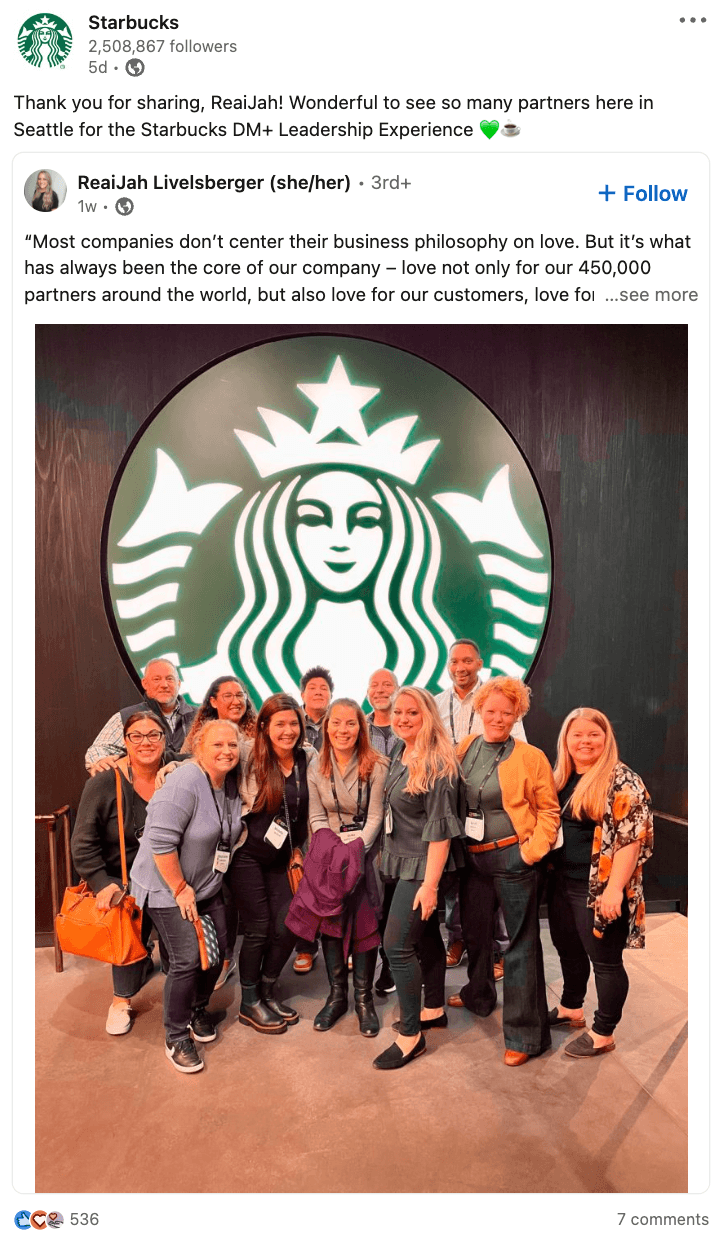
Building and Implementing Your Employer Branding Strategy: From Planning to Execution
Steps to building a successful employer branding strategy
Building employer branding strategy isn’t an abstract exercise; it’s a deliberate process that starts with clear, measurable objectives. Define what you want to change—talent attraction, retention, perception shift—and set KPIs that can’t be gamed. Skip vanity metrics. Instead, focus on numbers that tie directly to business outcomes, like offer acceptance rates or employee referrals.
Once objectives are locked, map your target audiences. For most, this means segmenting by function, geography, and seniority. Each group requires tailored messaging and channel selection. There’s no shortcut here: what works for engineering talent in Berlin won’t land with sales teams in Singapore. Your employer branding plan should reflect these nuances and avoid generic, one-size-fits-all content.
Gaining leadership support for branding initiatives
Employer branding implementation fails without leadership buy-in. Get your C-suite on record as champions, not just signatories. This means involving them early—before creative is even briefed. Secure their input on business priorities, and make them visible advocates in both internal and external comms. When leaders speak, stakeholders listen; their endorsement is non-negotiable for strategy rollout at scale.
Measuring and iterating your employer branding efforts
Strategy rollout is never a one-and-done. Build in a phased approach: pilot in one market or function, gather feedback, and iterate fast. Set up a feedback loop with both qualitative and quantitative inputs—pulse surveys, candidate sentiment, and hard hiring data. Use this intelligence to adjust messaging, creative, or channel mix in real time. Measurement isn’t an afterthought; it’s embedded from day one. For a deeper dive, see our guide to measuring employer branding success.
The payoff for this rigor is twofold: you surface what’s actually working, and you build credibility with leadership by showing progress against agreed KPIs. Employer branding implementation is a commercial discipline—treat it with the same scrutiny as any go-to-market campaign.

The Role of Employee Advocacy and Engagement in Employer Branding Strategy
How employee advocacy enhances your employer branding strategy
Employee advocacy isn’t a soft play — it’s a force multiplier for any employer branding strategy. The reality is simple: audiences trust employees more than corporate comms. When employees share authentic stories, insights, or day-to-day experiences, they cut through the noise. This trust translates into tangible gains: higher candidate quality, improved retention, and a reputation that outpaces competitors relying solely on polished brand messaging.
Creating effective employee engagement programs
To unlock advocacy, you need more than a memo. Internal advocacy programs must be structured but not forced. Give employees platforms — from internal social hubs to curated content feeds — where they can create and share their perspectives. The best programs are opt-in, with clear guidelines but room for individuality. Recognition matters: public shoutouts, small perks, or even professional development opportunities drive participation without turning advocacy into a transactional exercise.
Turning employees into brand ambassadors
Brand ambassadors aren’t appointed, they’re cultivated. Start by aligning advocacy initiatives with what matters to your teams. Invite employees into content creation — testimonials, behind-the-scenes looks, or subject matter Q&As. Balance is crucial: don’t just push external promotion; internal engagement must come first. Employees who feel heard and valued internally become natural advocates externally. The ripple effect is real. When advocacy is authentic, it attracts like-minded talent and strengthens your reputation in ways paid campaigns can’t replicate.
Incentivizing advocacy isn’t about cash bonuses. It’s about building a culture where sharing is recognized and valued. Senior leaders should lead by example, but grassroots voices must remain central. When done right, employee advocacy employer branding strategy isn’t just a channel — it’s a competitive edge that compounds over time. The best brands don’t just talk about their culture; they let their people prove it, every day, in public.
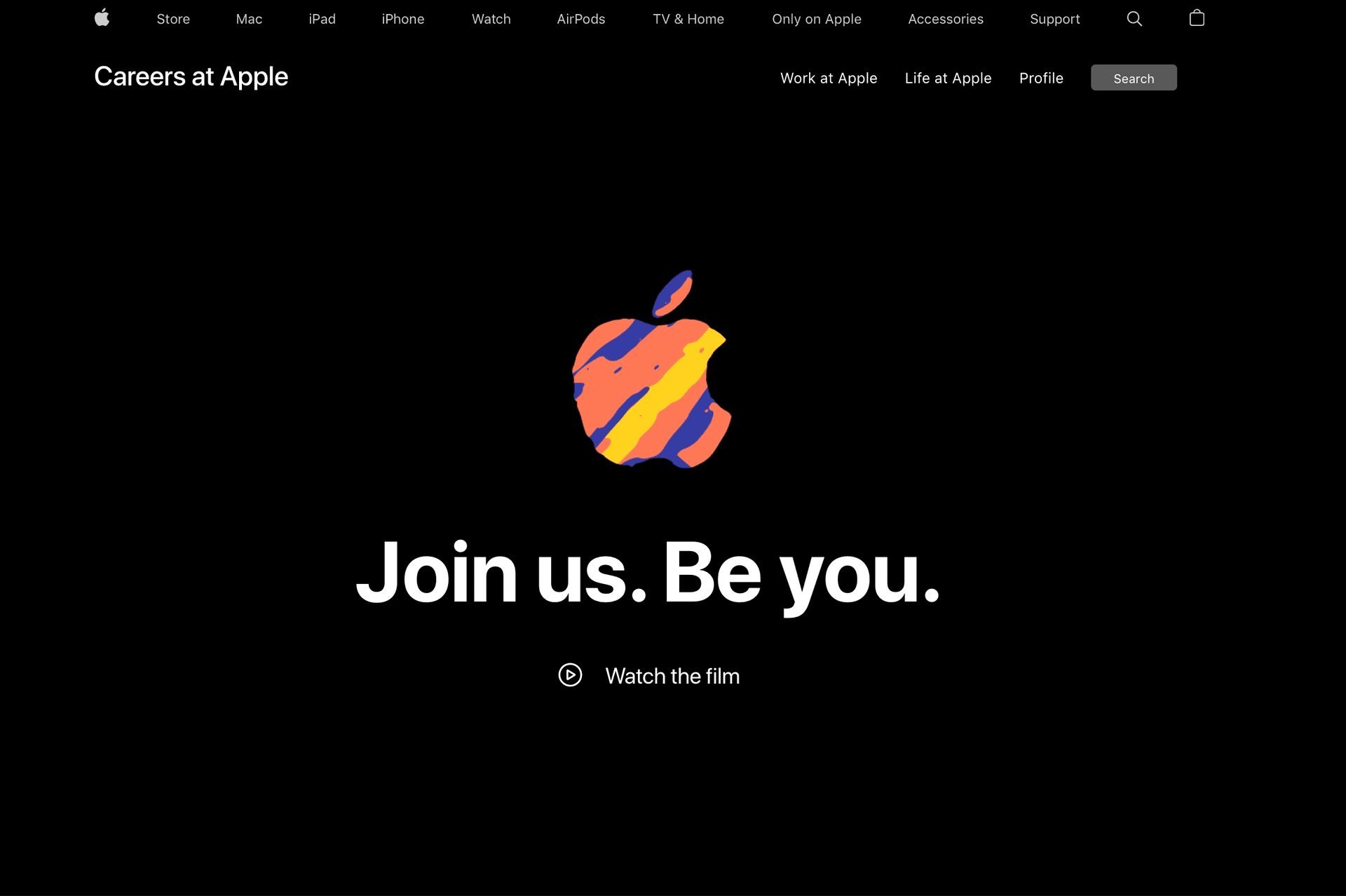
Lessons from Real-World Employer Branding Strategy Successes
Employer branding strategy case studies that deliver results
Employer branding strategy success isn’t built on luck or empty messaging. The most effective employer branding case studies share a throughline: authenticity in both message and medium. Brands that turn employees into advocates—through unscripted testimonials, behind-the-scenes content, and real talk about culture—cut through the noise. This isn’t about glossy recruitment ads; it’s about showing what it’s actually like to work there, warts and all.
Best practices from successful branding initiatives
Branding best practices emerge clearly from the leaders. First, employee-generated content consistently outperforms top-down campaigns in engagement and shareability. Second, measurement is non-negotiable. The best teams set clear KPIs—application quality, retention rates, social sentiment—and adapt quickly. Third, the sense of internal community drives external advocacy. When employees feel seen and heard, they become the brand’s most credible storytellers.
- Empower employees as content creators, not just brand amplifiers.
- Use data to iterate—don’t wait for annual reviews to course-correct.
- Prioritize transparency; today’s talent spots spin from a mile away.
How to apply lessons from branding success stories
Translating these lessons isn’t about copying campaign aesthetics. It’s about operationalizing authenticity and feedback loops, regardless of company size or sector. Start by mapping your real employee experience, not your aspirational one. Build a content engine where employees contribute regularly. Set up fast feedback: track what resonates, adjust messaging, and close the loop by sharing results internally. This approach scales—from startups looking for their first hires to multinationals managing global perception.
The strategic impact is clear: employer branding strategy success comes from truth, agility, and advocacy, not from overproduced campaigns. If you want more granular examples, explore our employer branding success stories and best practices in employer branding for deeper dives. The playbook is evolving, but the fundamentals—authenticity, measurement, and community—remain non-negotiable.
Conclusion
Employer branding is not a side project—it’s a strategic lever that shapes talent acquisition and employer reputation in every market you enter. In a landscape where skills shortages are real and mobility is high, the clarity and credibility of your employee value proposition are what set you apart. Candidates are not just weighing compensation; they’re scrutinizing the signals your brand sends about leadership, culture, and opportunity.
The impact is direct: a coherent employer branding strategy accelerates hiring, reduces churn, and strengthens your position in the talent market. It also has a measurable effect on organizational reputation, influencing how clients, partners, and even investors perceive your business. When employer branding is tightly aligned with business objectives, it becomes a force multiplier—amplifying the effectiveness of your recruitment spend and supporting long-term growth.
The work doesn’t end with a campaign launch or a refreshed careers page. Continuous evaluation is non-negotiable. Market expectations shift, talent pools evolve, and internal realities change. Leaders who treat employer branding as a living system—measured, benchmarked, and iterated—outperform those who see it as a static asset. This means regularly stress-testing your approach, whether through a structured employer brand assessment checklist or by tracking the metrics that signal real-world impact.
Ultimately, building a strong employer brand is about more than attracting talent—it’s about future-proofing your organization’s reputation and performance. In an environment defined by transparency and competition, those who invest in ongoing employer branding success will shape the workforce—and business outcomes—of tomorrow.
FAQs
What is employer branding?
Employer branding is the deliberate shaping of how your company is perceived as a place to work. It defines your reputation among current and prospective employees. A strong employer brand attracts top talent, reduces hiring costs, and aligns the workforce with business objectives. In short, it’s the market-facing side of your company culture and values.
How can I assess my current employer branding strategy?
Start by auditing candidate and employee feedback, reviewing retention and application rates, and benchmarking against industry competitors. Analyse sentiment on employer review platforms and social channels. If your messaging doesn’t resonate or attract the right talent, your strategy needs recalibration. Data, not intuition, should drive your assessment.
What is an Employee Value Proposition (EVP)?
An EVP is the set of tangible and intangible benefits employees receive in exchange for their skills and loyalty. It’s your core offer to talent—beyond salary, it includes culture, growth, flexibility, and purpose. A clear EVP underpins every employer branding effort and differentiates you from the competition.
Why is employee advocacy important in employer branding?
Employee advocacy is powerful because people trust employees more than corporate messaging. When staff share authentic experiences, it amplifies credibility and reach. Advocacy turns your workforce into brand ambassadors, influencing both talent pools and public perception. It’s not just marketing—it’s social proof at scale.
How do I build an effective employer branding strategy?
Begin with a clear EVP, then audit your current perception and define target outcomes. Develop content that reflects your culture and values, leveraging employee stories. Distribute across relevant channels and measure impact relentlessly. Iterate based on results—this is not a set-and-forget exercise.
What are the benefits of a strong employer brand?
A robust employer brand attracts higher quality candidates, shortens hiring cycles, and reduces recruitment costs. It also improves retention and drives engagement. Ultimately, it positions your company as a destination employer, giving you an edge in competitive markets and supporting long-term business growth.
How can storytelling enhance employer branding?
Storytelling humanises your brand and gives candidates a reason to care. Real stories from employees cut through generic messaging, making your culture tangible. Effective storytelling builds emotional connection and trust, influencing both recruitment and retention. It’s the difference between empty claims and lived experience.
.webp)
Creative Collaboration Platform: The Backbone of Modern Creative WorkWhat is a creative collaboration platform?Clapboard defines a creative collaboration platform as the operational core for today’s distributed creative teams. This is not a collection of digital collaboration tools stitched together; Clapboard’s system

Understanding the Creative Production MarketplaceWhat is a Creative Production Marketplace?Clapboard defines a creative production marketplace as a structured ecosystem where brands, agencies, and production talent converge to execute video, advertising, and branded content at scale. Unlike the legacy agency or freelanREAD FULL ARTICLE

The Urgent Need for a Creative Production Operating SystemWhy Traditional Creative Production Models Break DownClapboard sees the creative production landscape shifting under pressure. Content velocity is no longer a buzzword—it’s a mandate. Modern advertising demands relentless output across dozens of channels, each wREAD FULL ARTICLE

JOIN THE NEWSLETTER.
Content Production insights, videos, books, and freebies, delivered to your inbox weekly


LEAVE A COMMENT
Your email address will not be published.