



Varun Katyal | Founder, Clapboard
Varun Katyal is the Founder & CEO of Clapboard and a former Creative Director at Ogilvy, with 15+ years of experience across advertising, branded content, and film production. He built Clapboard after seeing firsthand that the industry’s traditional ways of sourcing talent, structuring teams, and delivering creative work were no longer built for the volume, velocity, and complexity of modern content. Clapboard is his answer — a video-first creative operating system that brings together a curated talent marketplace, managed production services, and an AI- and automation-powered layer into a single ecosystem for advertising, branded content, and film. It is designed for a market where brands need content at a scale, speed, and level of specialization that legacy agencies and generic freelance platforms were never built to deliver. The thinking, frameworks, and editorial perspective behind this blog are shaped by Varun’s experience across both the agency world and the emerging platform-led future of creative production. LinkedIn: https://www.linkedin.com/in/varun-katyal-clapboard/
Defining Success: Setting Objectives for Snapchat Influencer Campaigns
Snapchat influencer marketing is only as effective as the objectives you set. Too often, brands default to vague ambitions—“go viral” or “drive buzz”—that can’t be measured or traced to business impact. If you want your influencer budget to deliver, objectives must be clear, actionable, and anchored to your broader social media strategy. Anything less is just noise.
How to Set Measurable Goals for Snapchat Influencer Marketing
Start with the end in mind. Are you seeking awareness, engagement, conversions, or deeper community building? Each requires a different creative approach and a different set of marketing KPIs. For Snapchat, where content is ephemeral and audience attention is fleeting, specificity is non-negotiable. Use the SMART framework—Specific, Measurable, Achievable, Relevant, Time-bound—to translate ambition into operational targets. “Increase brand mentions by 20% among Gen Z in Q3” is a campaign objective. “Get noticed” isn’t.
Snapchat Campaign Objectives: Awareness vs. Conversion
Not all objectives are created equal. Awareness campaigns leverage Snapchat’s Discover and Stories features to maximize reach and impressions. Engagement objectives focus on swipes, shares, and replies—metrics that signal active interest. Conversion goals, meanwhile, require tight integration with shoppable AR lenses or direct response calls-to-action. Community building goes further, using influencer-led challenges or UGC to foster ongoing participation. Each objective demands tailored measurement and creative execution.
Aligning Snapchat Influencer Activities with Brand Strategy
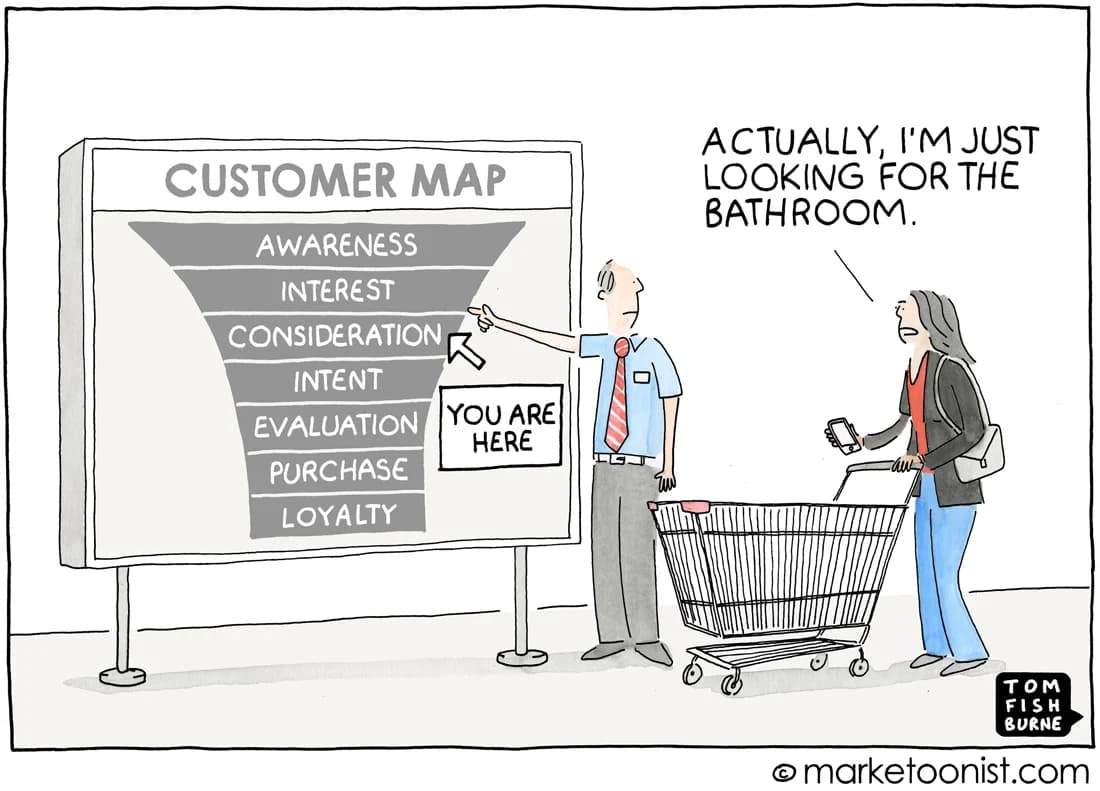
Every influencer activation should ladder up to your core business goals. If your broader strategy is about launching a new product, your Snapchat objectives should track product consideration and intent—not just follower growth. This is where many campaigns fail: objectives that look good in isolation but don’t move the commercial needle. Alignment is the difference between vanity metrics and real ROI. For more on this, see our guide on setting campaign goals and marketing strategy alignment.
The bottom line: Success in Snapchat influencer marketing isn’t accidental. It’s engineered through disciplined, measurable objectives that serve both the platform’s strengths and your brand’s ambitions. Anything else is wasted spend.
Why Snapchat Influencer Marketing Resonates with Today’s Audience
Snapchat influencer marketing stands apart because it’s built for a generation that rejects polish and permanence. The platform’s core user base—Gen Z and younger millennials—are digital natives fluent in visual storytelling, but allergic to anything that smells like advertising. Snapchat demographics skew young, but more importantly, they skew impatient: attention is currency, and the cost of entry is authenticity.
What Makes Snapchat Users Unique for Influencer Campaigns
The Snapchat audience isn’t just younger; it’s more elusive. These users don’t linger in feeds—they swipe, tap, and move on. They expect content that’s immediate, unfiltered, and personal. Traditional influencer marketing trends—long-form posts, static images, overt product placements—fall flat here. Instead, what works is raw, in-the-moment storytelling delivered by creators who feel like peers, not pitchmen. This is why Snapchat influencer marketing often delivers higher Snapchat audience engagement for brands willing to adapt their approach.
The Role of Authenticity in Snapchat Influencer Marketing
Ephemeral content is more than a technical feature; it’s a cultural signal. Stories disappear, moments fade, and that impermanence drives urgency. Influencers on Snapchat thrive by sharing content that feels spontaneous and unscripted. Audiences reward vulnerability and real-time interaction. The result is an environment where campaigns can spark genuine conversation—not just passive consumption. For brands, this means relinquishing control and trusting creators to speak in their own voice, a strategy that directly aligns with the expectations of Snapchat’s user base.
Why Brands Choose Snapchat for Youth Engagement
Brands that understand youth marketing strategies know Snapchat is where cultural trends start, not where they end up. The platform’s design forces brevity and creativity, making it a proving ground for ideas that can’t survive elsewhere. Snapchat influencer marketing isn’t about reach alone—it’s about resonance. If you want to make noise with a younger audience, you need to speak their language, on their terms. Anything less gets ignored.
Choosing the Right Snapchat Influencers: Beyond Follower Count
What to Look for in Snapchat Influencers
Chasing Snapchat influencers with the biggest follower numbers is a rookie move. Real influence on Snapchat is measured by relevance, not reach alone. Start by scrutinizing how an influencer’s content style and tone align with your brand values. If their creative approach jars with your positioning, no volume of followers will translate into meaningful impact. Influencer selection criteria should include a hard look at their track record for brand safety and authenticity—non-negotiables for any serious campaign (Socially Powerful, 2024).
Evaluating Influencer-Audience Fit on Snapchat
Audience alignment is where the commercial value lies. Don’t guess—demand audience data. Look for demographic breakdowns, geographic spread, and engagement metrics that match your campaign objectives. High engagement rates signal an active, trusting audience. Verified Snapchat influencers offer another layer of credibility; the verification badge is more than a status symbol—it signals a legitimate, authentic following and increases visibility in-app, which translates to higher potential for real audience fit (SocialAmp, 2024).
Building Long-Term Partnerships with Snapchat Influencers
One-off activations burn budget and rarely deliver sustained results. The most effective brands build ongoing relationships with Snapchat influencers who have proven audience resonance and creative chemistry. Sustainable partnerships foster deeper audience trust and unlock stronger conversions over time. This isn’t about locking in exclusivity—it’s about creating a feedback loop where both brand and influencer evolve together. The right influencer vetting process and robust audience research methods are essential here: you’re not just buying impressions, you’re investing in a channel for long-term brand relevance.
The risk of focusing only on follower count is clear: you’ll miss the nuance that drives actual business outcomes. Smart influencer selection criteria are grounded in audience alignment, content authenticity, and the potential for partnership—not vanity metrics. In a market where attention is currency, brands that get this right will outperform those still counting heads.
Unlocking Snapchat’s Native Features for Influencer Campaigns
Best Snapchat Features for Influencer Campaigns
Snapchat influencer campaigns demand more than generic content drops. The platform’s native features—Stories, Lenses, Geofilters, and in-app Ads—are built for immediacy and interaction, not passive consumption. Influencers who understand the mechanics of these tools unlock performance that static assets can’t touch. Snapchat Stories are the backbone: real-time, ephemeral, and inherently narrative. They drive urgency and authenticity, two qualities that convert at the top and bottom of the funnel. When executed correctly, Stories become a direct pipeline to purchase—85% of Snapchatters who made a purchase based on content they saw on the platform were influenced by creator content (Sprout Social, 2024).
How to Use Lenses and Geofilters in Snapchat Marketing
Lenses and Geofilters are not novelty add-ons—they’re campaign multipliers. Branded AR Lenses let influencers invite audiences to play with the brand, not just watch it. This interaction is sticky and memorable, especially for Gen Z, who expect to participate, not spectate. Geofilters, meanwhile, offer hyper-local relevance for retail launches, events, or region-specific pushes. The most effective influencer strategies partner with creators to extend the reach and usage of these interactive assets, turning every snap into a potential campaign touchpoint (Captiv8, 2024).
Integrating Ads with Influencer Content on Snapchat
Snapchat Ads—whether Snap Ads, Story Ads, or Collection Ads—shouldn’t run in isolation from influencer activity. The real value comes from integrating paid placements with organic creator content. For example, a creator’s Story can tease a Lens, while a paid ad drives additional reach or retargets engaged viewers. This seamless blend of organic and paid creates a campaign ecosystem: influencers build credibility and engagement, while Snapchat Ads deliver scalable distribution and measurable uplift. The result is a feedback loop—organic content seeds intent, paid media harvests it.
Maximising Snapchat’s creative tools is not about chasing platform trends. It’s about orchestrating feature integration that amplifies both reach and resonance. Marketers who treat Snapchat as a toolkit—not just a channel—see campaigns that cut through noise and drive actual business outcomes.
Storytelling That Sticks: Crafting Compelling Snapchat Influencer Content
Snapchat influencer content lives and dies by its ability to capture attention in seconds, then vanish. The platform’s ephemeral nature isn’t a creative constraint—it’s a forcing function. You get one shot to make a moment matter. Effective storytelling techniques here aren’t about polish; they’re about precision and presence. Senior marketers who treat Snapchat like another Instagram or TikTok channel miss the mark. Instead, the goal is to engineer relatability and urgency, not just aesthetics.
How to Tell Authentic Stories on Snapchat
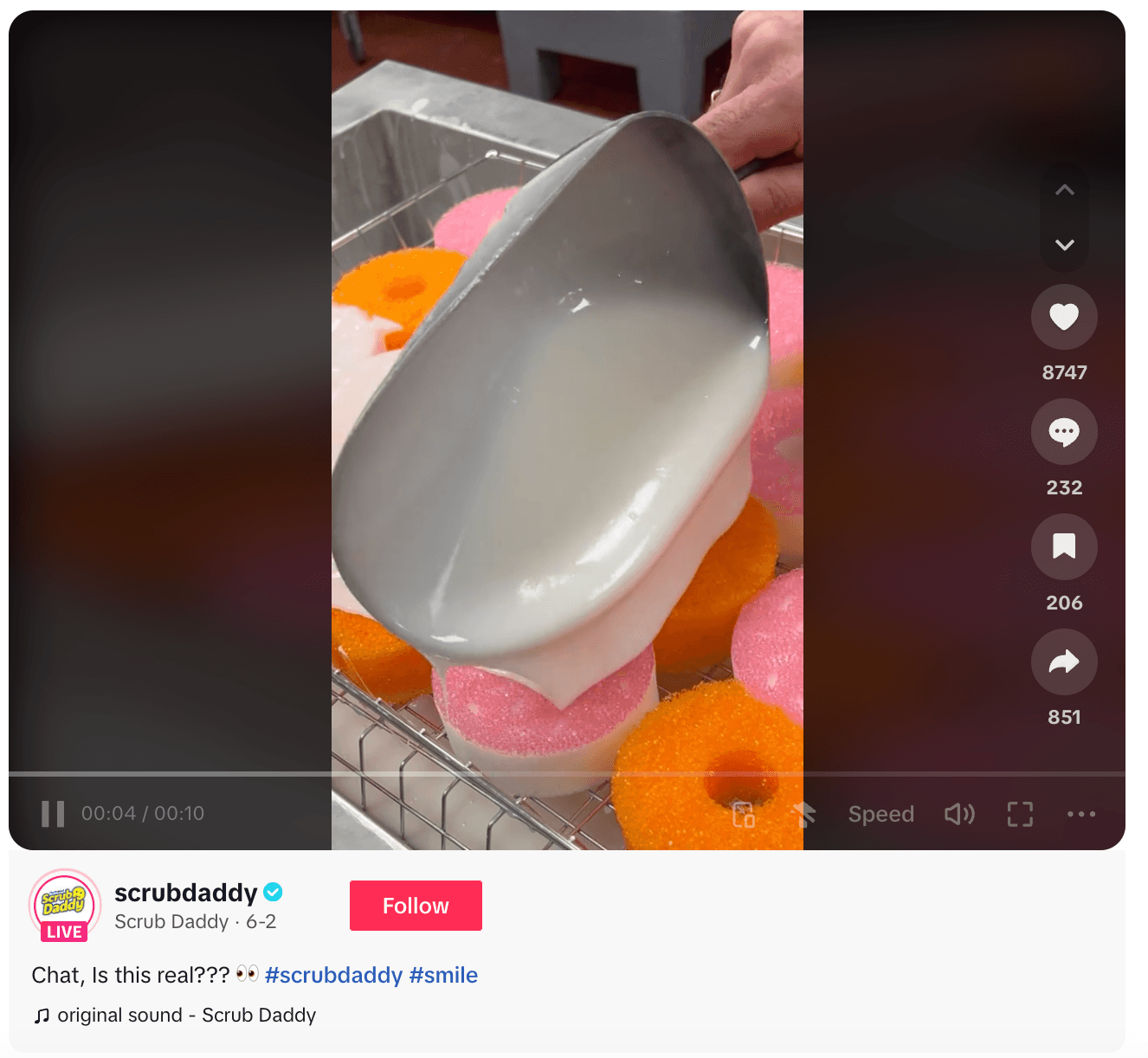
Authenticity is the currency. Snapchat’s audience expects unfiltered, in-the-moment content—think behind-the-scenes glimpses, raw takes, and direct address. Influencers who script every frame lose credibility. The content strategy must prioritise relatability over perfection. Letting creators show process, not just product, builds trust and keeps viewers engaged through the full story arc.
Creative Content Ideas for Snapchat Influencers
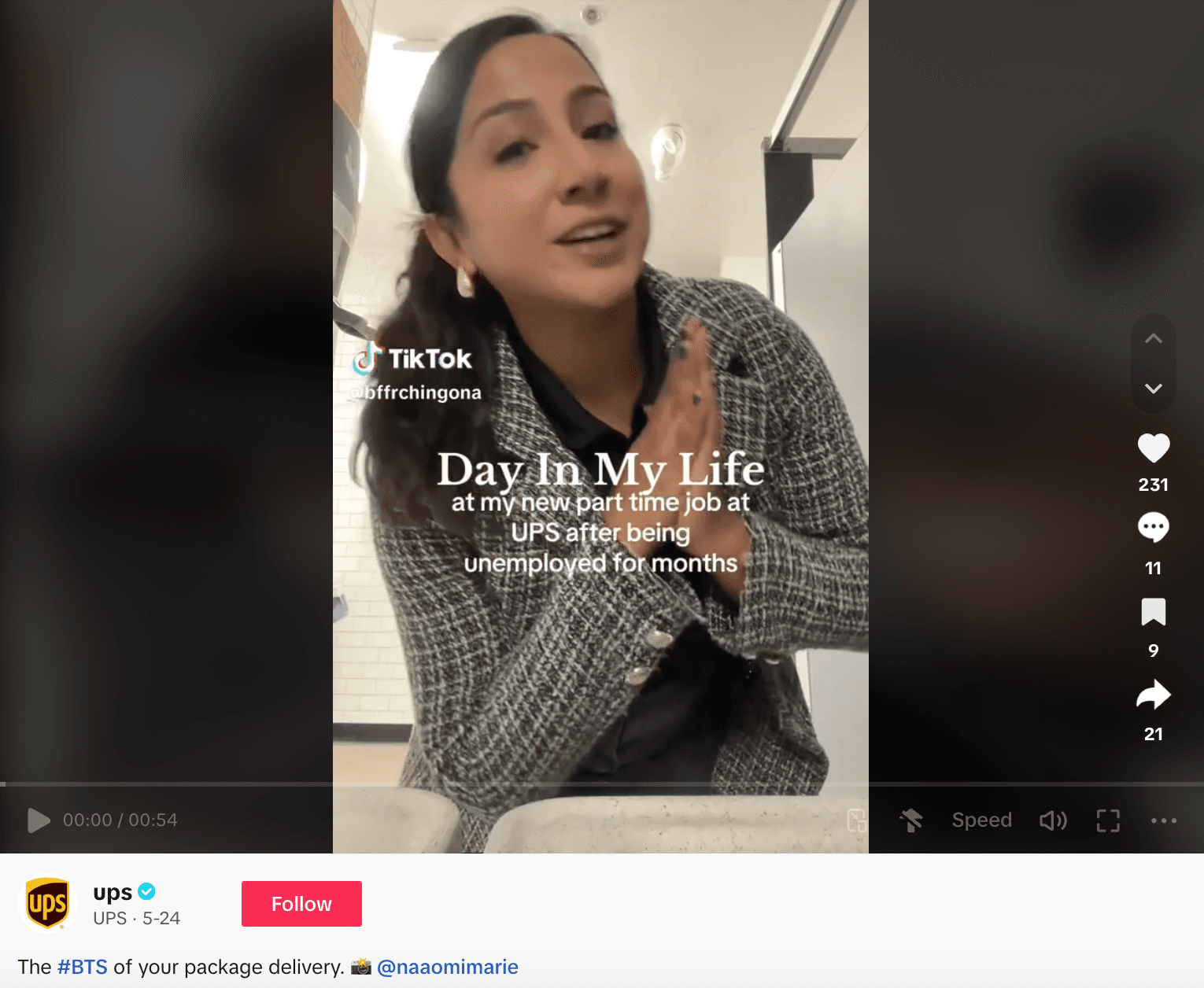
Influencer takeovers, day-in-the-life segments, and user-generated content are proven formats for Snapchat influencer content. Takeovers allow brands to borrow the influencer’s voice and audience, injecting new energy into the channel. User-generated content campaigns—where followers submit Snaps for a chance to be featured—drive participation and make the audience feel invested. Don’t overlook AR filters, polls, and quizzes; these interactive elements aren’t gimmicks—they’re engagement accelerators that make the narrative participatory, not passive.
Planning vs. Improvising: Snapchat Storyboarding Tips
Snapchat rewards spontaneity, but chaos isn’t a strategy. The best content balances planning and improvisation. Build a loose storyboard to anchor the narrative, but allow space for real-time adaptation. This hybrid approach ensures the story stays coherent while remaining nimble enough to react to audience feedback or unfolding moments. Creative planning is about setting boundaries, not scripting every beat. The most effective storytelling in marketing on Snapchat understands that structure and surprise are not mutually exclusive—they’re essential partners.
For senior marketers, the takeaway is clear: success on Snapchat demands a content strategy that respects the platform’s pace, leverages authentic storytelling, and uses interactivity to turn viewers into participants. That’s how you make Snapchat influencer content stick.
Maximizing Engagement: Contests, Giveaways, and Community Building
Running Effective Contests on Snapchat
Snapchat engagement strategies demand more than recycled formats from other platforms. Contests must be built for speed and simplicity—think tap-to-vote polls, story-based challenges, or Snap-to-Win mechanics. The best-performing campaigns minimize friction: clear instructions, low entry barriers, and a reward structure that’s instantly understood. Align the contest format with native behaviors—quick snaps, AR filters, or short-form video responses. This isn’t about complexity; it’s about seamless integration with how users already interact on Snapchat.
Boosting Engagement with Giveaways and Challenges
Giveaways are a proven accelerant for user participation, but generic prize drops won’t move the needle. To spark organic reach and user-generated content, tie rewards to creative submissions—snaps featuring branded lenses, or stories showcasing product use. The most effective Snapchat engagement strategies turn every participant into a micro-ambassador, incentivizing them to share their entries and tag friends. This fuels a viral loop, amplifying reach beyond your immediate follower base.
Building Brand Communities with Snapchat Influencers
Community building on Snapchat hinges on authenticity and shared purpose. Partnering with influencers—especially those with niche, loyal audiences—can catalyze participation. Let creators set the tone for interactive campaigns, host Q&As, or launch collaborative challenges. Layer in direct engagement: feature user submissions, respond publicly, and spotlight top contributors. This signals that participation isn’t performative; it’s foundational to your brand’s identity.
To sustain loyalty, move beyond one-off stunts. Build recurring formats—weekly challenges, exclusive early access, or “insider” Snap groups. Measure impact not just by raw participation, but by repeat engagement, share rates, and the growth of your core community. The brands that win on Snapchat aren’t chasing fleeting attention—they’re engineering systems that reward ongoing involvement and turn followers into advocates.
Measuring What Matters: Analytics for Snapchat Influencer Marketing
Essential Metrics for Snapchat Influencer Marketing
Snapchat influencer marketing analytics are only as useful as the questions you ask. Views and reach are table stakes, but senior marketers know these numbers alone don’t signal campaign effectiveness. The real currency is engagement rate—measured as story completions, swipe-ups, replies, and shares. Dig deeper: conversion events (sign-ups, purchases, app installs) are what tie influencer spend to business outcomes. If your influencer content isn’t moving the needle on these, you’re not tracking what matters.
How to Use Snapchat Insights for Campaign Optimization
Snapchat Insights gives you a dashboard view of story views, average view time, and audience demographics. But raw numbers aren’t enough. Benchmark completion rates against past campaigns and industry norms. Look for drop-off points in multi-snap stories—these signal creative fatigue or a mismatch between influencer and audience. Third-party analytics tools can fill gaps, especially for conversion tracking and cross-platform attribution. Integrate these with your broader campaign performance tracking stack for a unified view.
Data-Driven Decisions in Snapchat Influencer Campaigns
Iterative strategy beats set-and-forget. Use campaign performance metrics to adjust creative, targeting, or even influencer selection mid-flight. For example, if engagement drops after the first snap, test new hooks or shorter sequences. If swipe-ups underperform, refine call-to-action clarity or landing page speed. The best teams treat Snapchat analytics as a feedback loop, not a scorecard—every data point is a lever for optimization.
Common mistakes? Chasing vanity metrics, ignoring attribution windows, and failing to segment by audience cohort. Don’t confuse high reach with high impact. Use social media ROI calculations that account for both direct and assisted conversions. The goal isn’t just to prove value—it’s to compound it, campaign after campaign. For practical frameworks, see our guide on analytics best practices.
The Future of Snapchat Influencer Marketing: Trends and Opportunities
Snapchat influencer marketing is entering a critical new phase. The platform’s relentless product evolution—especially in AR and AI—has shifted the creative and commercial landscape. What once relied on ephemeral storytelling now demands technical fluency, rapid adaptation, and a clear-eyed view of what actually moves audiences. For brands and creators, the next wave won’t be won by recycling what worked in 2022.
Upcoming Trends in Snapchat Influencer Marketing
First: expect the pace of change to accelerate. Snapchat’s audience is maturing, but their appetite for novelty isn’t fading. Short-form, high-frequency content remains table stakes, but static filters and basic lens integrations are over. The future is interactive—think AR try-ons, dynamic polls, and real-time product drops that blur the line between content and commerce. Innovations in measurement, particularly around in-app conversions, will finally give marketers the performance clarity they’ve been demanding.
How AR and AI Are Shaping Snapchat Campaigns
Snapchat’s AR capabilities are no longer gimmicks—they’re the backbone of effective influencer marketing innovations. AI-driven creative tools are making it easier for influencers to produce bespoke, hyper-relevant content at scale. The next logical step: campaigns that adapt in real time based on user engagement signals. Brands that treat AR as a core creative asset—not an add-on—will pull ahead, especially as audience expectations for immersion rise.
Future-Proofing Your Snapchat Influencer Strategy
The smartest brands are already building transparency and longevity into their influencer relationships. Audiences are more attuned to authenticity and less forgiving of transactional partnerships. Long-term collaborations yield stronger creative, more meaningful engagement, and better data for optimisation. To stay ahead, brands should pilot emerging formats early, invest in influencer education on AR tools, and prioritise campaigns that can flex as platform features evolve.
The bottom line: Snapchat influencer marketing is moving from novelty to necessity for brands targeting next-gen consumers. Those who experiment, measure, and adapt now will set the pace for what’s next in the space. For a deeper dive on where social is headed, see our analysis on upcoming social media trends and explore our library of innovative campaign ideas.

Conclusion
Snapchat influencer marketing is not about chasing the latest trend; it’s about understanding the mechanics that drive genuine Snapchat audience engagement. For brands targeting younger demographics, the platform’s immediacy and intimacy demand a strategy rooted in authenticity. Influencers who thrive on Snapchat do so because their presence feels unfiltered and personal—qualities that audiences on this platform expect and reward.
The most effective campaigns are engineered with precision. Defining measurable objectives from the outset—whether that’s increasing brand awareness, driving conversions, or building community—anchors influencer activity to tangible business outcomes. This discipline separates campaigns that deliver from those that simply generate noise. Senior marketers know that without clear metrics, influencer marketing becomes a vanity exercise rather than a growth lever.
Snapchat’s unique toolkit—ephemeral content, interactive lenses, and dynamic stories—offers more than just creative flair. These features are built for engagement and rapid feedback, enabling brands to test, learn, and iterate at speed. The brands that succeed on Snapchat are those that harness these tools not for novelty, but for meaningful community building and two-way interaction. This platform isn’t about passive reach; it’s about active participation.
As influencer marketing trends evolve, Snapchat remains a proving ground for brands willing to prioritise authenticity, set clear objectives, and exploit the platform’s native strengths. The playbook is straightforward, but execution is everything. Those who align their marketing strategy with Snapchat’s distinctive audience and creative formats will cut through, connect, and convert where it counts.
FAQs
What is Snapchat influencer marketing?
Snapchat influencer marketing connects brands with creators who have built loyal, engaged audiences on the platform. The focus is on driving action and awareness through authentic, ephemeral content. Unlike static placements, influencer-led campaigns on Snapchat rely on immediacy, peer credibility, and creative integration to move the needle—especially with younger demographics.
How can brands set objectives for Snapchat campaigns?
Start with a clear business outcome: awareness, consideration, or conversion. Define the role Snapchat plays in your broader marketing mix. Set quantifiable KPIs—such as swipe-ups, story views, or direct response actions—aligned to campaign goals. Avoid vanity metrics and focus on what actually impacts your funnel.
What criteria should brands use to choose Snapchat influencers?
Prioritise audience relevance over raw follower count. Evaluate the influencer’s engagement rates, content style, and authenticity. Scrutinise their past brand partnerships for alignment and performance. Ultimately, the right influencer is one whose audience matches your target and who can deliver against your campaign’s commercial objectives.
How can brands leverage Snapchat's features for campaigns?
Snapchat’s native tools—AR lenses, filters, polls, and swipe-up links—enable interactive, immersive experiences. Effective campaigns use these features to drive user participation and storytelling, not just passive viewing. Leverage the platform’s vertical video format and time-limited content to create urgency and exclusivity.
What storytelling techniques work best for Snapchat content?
Snapchat rewards brevity and authenticity. Use sequential storytelling—building narratives across multiple snaps—to sustain attention. Incorporate behind-the-scenes, challenges, and real-time moments. The best content feels unscripted yet purposeful, driving engagement without sacrificing brand clarity.
How can brands measure engagement in Snapchat campaigns?
Key metrics include story views, completion rates, swipe-ups, and screenshot counts. Track audience retention across snap sequences to gauge narrative effectiveness. For commerce-driven campaigns, monitor attributed conversions or traffic spikes. Always benchmark against pre-campaign baselines to isolate true impact.
What are the future trends in Snapchat influencer marketing?
Expect deeper integration of AR, more data-driven campaign optimisation, and tighter alignment between influencer content and commerce. As Snapchat evolves its analytics and ad tools, performance accountability will increase. Brands that adapt quickly to these shifts will capture disproportionate value.
.webp)
Creative Collaboration Platform: The Backbone of Modern Creative WorkWhat is a creative collaboration platform?Clapboard defines a creative collaboration platform as the operational core for today’s distributed creative teams. This is not a collection of digital collaboration tools stitched together; Clapboard’s system

Understanding the Creative Production MarketplaceWhat is a Creative Production Marketplace?Clapboard defines a creative production marketplace as a structured ecosystem where brands, agencies, and production talent converge to execute video, advertising, and branded content at scale. Unlike the legacy agency or freelanREAD FULL ARTICLE

The Urgent Need for a Creative Production Operating SystemWhy Traditional Creative Production Models Break DownClapboard sees the creative production landscape shifting under pressure. Content velocity is no longer a buzzword—it’s a mandate. Modern advertising demands relentless output across dozens of channels, each wREAD FULL ARTICLE
JOIN THE NEWSLETTER.
Content Production insights, videos, books, and freebies, delivered to your inbox weekly


LEAVE A COMMENT
Your email address will not be published.