



Varun Katyal | Founder, Clapboard
Varun Katyal is the Founder & CEO of Clapboard and a former Creative Director at Ogilvy, with 15+ years of experience across advertising, branded content, and film production. He built Clapboard after seeing firsthand that the industry’s traditional ways of sourcing talent, structuring teams, and delivering creative work were no longer built for the volume, velocity, and complexity of modern content. Clapboard is his answer — a video-first creative operating system that brings together a curated talent marketplace, managed production services, and an AI- and automation-powered layer into a single ecosystem for advertising, branded content, and film. It is designed for a market where brands need content at a scale, speed, and level of specialization that legacy agencies and generic freelance platforms were never built to deliver. The thinking, frameworks, and editorial perspective behind this blog are shaped by Varun’s experience across both the agency world and the emerging platform-led future of creative production. LinkedIn: https://www.linkedin.com/in/varun-katyal-clapboard/
Mapping Your Influencer Needs: Audience, Goals, and Brand DNA
How to align influencers with your brand’s audience
Understanding how to find influencers starts with audience clarity, not creator charisma. If you can’t define your target audience with precision, you’re gambling with your marketing budget. Go beyond demographics. Map psychographics, purchase behaviors, and content consumption patterns. Your influencer shortlist should mirror these specifics—otherwise, you’re inviting noise, not results. For a deeper dive into target audience definition, revisit our foundational frameworks.
Defining campaign goals for influencer partnerships
Every influencer campaign exists to drive business outcomes, not just engagement spikes. Translate your campaign objectives into measurable influencer deliverables. Want brand awareness? Prioritize reach and relevance. Chasing conversions? Demand a track record of driving action. Your influencer criteria must ladder directly from campaign objectives, not generic industry benchmarks. This is the difference between vanity metrics and commercial impact.
Building an effective influencer persona
Don’t treat “influencer” as a catch-all. Build a detailed persona: What values should they embody? How should they communicate? Which platforms do they dominate, and do those match your audience’s media habits? Specificity matters. If your brand voice is irreverent, a cautious, scripted creator will dilute your message. If authenticity is your brand DNA, avoid over-produced, transactional partnerships. Brand values alignment isn’t a checkbox—it’s a filter that eliminates costly mismatches. Learn more about aligning with brand values in our strategic playbook.
Misalignment at this stage is fatal. An influencer who doesn’t fit your audience or brand identity won’t just underperform—they’ll actively undermine campaign credibility. Effective influencer marketing is built on rigorous, upfront definition. Anything less is just paying for reach, not results.
Why “How to Find Influencers” is a Strategic Question, Not Just a Search Tactic
The question of how to find influencers is often treated as a logistical hurdle—Google, filter, shortlist, repeat. That’s tactical thinking. In reality, influencer selection is a strategic lever that shapes campaign outcomes, brand equity, and long-term audience trust. This isn’t about ticking boxes. It’s about making deliberate choices that align with your business objectives and creative ambitions.
Why the right influencer fit matters
Every influencer you choose becomes a proxy for your brand. The right fit amplifies your message and sharpens your positioning. The wrong fit—no matter how large their following—dilutes your narrative, risks credibility, and can even trigger backlash. Relevance and resonance trump reach. If your influencer doesn’t embody your values or connect authentically with your target audience, you’re not just wasting budget—you’re undermining your brand.
Common mistakes brands make when finding influencers
Too many brands default to surface-level metrics: follower count, engagement rate, or a slick content aesthetic. That’s not an influencer search strategy; it’s a shortcut. Real due diligence means interrogating an influencer’s audience makeup, their history with brands, and the substance behind their engagement. Overlooking these factors leads to mismatched partnerships and underperforming campaigns—outcomes that are both expensive and avoidable.
Strategic outcomes of effective influencer discovery
Intentional influencer discovery unlocks more than incremental reach. It builds credibility, strengthens brand storytelling, and fosters genuine advocacy. The most effective partnerships are built on mutual understanding and a shared vision for the work—not just transactional posts. As expectations rise, brands that treat influencer selection as a strategic process gain a competitive edge. They create campaigns that cut through, drive measurable results, and stand up to scrutiny in the boardroom.
In short, finding the right influencers is a strategic discipline. Brands that approach it with rigor—not just a checklist—set themselves up for sustained impact, not just fleeting impressions.
The Influencer Spectrum: Choosing the Right Level for Your Brand
The types of influencers you choose to activate will dictate your campaign's performance profile—reach, engagement, and ultimately ROI. The influencer spectrum runs from nano (1–10k followers) to micro (10–100k), macro (100k–1M), and mega (1M+). Each tier brings distinct economics, audience dynamics, and trade-offs. This isn’t about picking a name off a list. It’s about matching influencer tiers to the precise commercial outcome you’re targeting.
Comparing nano, micro, macro, and mega influencers
Nano-influencers are the grassroots operators. Their audiences are small but hyper-engaged—think 4–8% engagement rates, sometimes higher. Micro-influencers extend that intimacy to a broader base, often retaining strong trust while scaling up reach. Macro and mega influencers offer mass visibility, but at the cost of diluted engagement and far steeper fees. The influencer reach curve is steep: as follower count rises, cost per engagement climbs and authenticity drops.
Which influencer tier fits your marketing goals?
Start with campaign intent. If your goal is pure awareness—a product launch, a national message—macro or mega influencers can deliver raw volume. For conversion or community-building, nano-influencer vs micro-influencer debates matter: smaller tiers win on credibility and action rates. Avoid the trap of over-investing in mega names when your conversion path is short or your brand equity is still maturing.
Budgeting for different influencer types
Influencer tiers map directly to budget realities. Nanos and micros offer cost-effective CPMs and flexibility for test-and-learn pilots. Macros and megas demand major investment, but can anchor high-stakes launches if the creative is built for scale. Don’t ignore the hidden costs: content rights, production support, and the operational lift of managing dozens of micro-collaborations. Use influencer marketing platforms with robust vetting—AI-powered fraud detection and audience quality scores are non-negotiable for scale (HypeAuditor, 2025).
The decision matrix is simple: define your commercial outcome, weigh the trade-offs (reach, engagement, cost), and select the influencer type that delivers the most efficient path to that outcome. Skip the ego metrics. Prioritise fit, not just follower count. If you want to surface untapped talent, leverage platform search functions and granular filters to find authentic creators who actually move the needle (Modash, 2025).
Where to Look: Proven Platforms and Tactics for Finding Influencers
Best platforms to find influencers
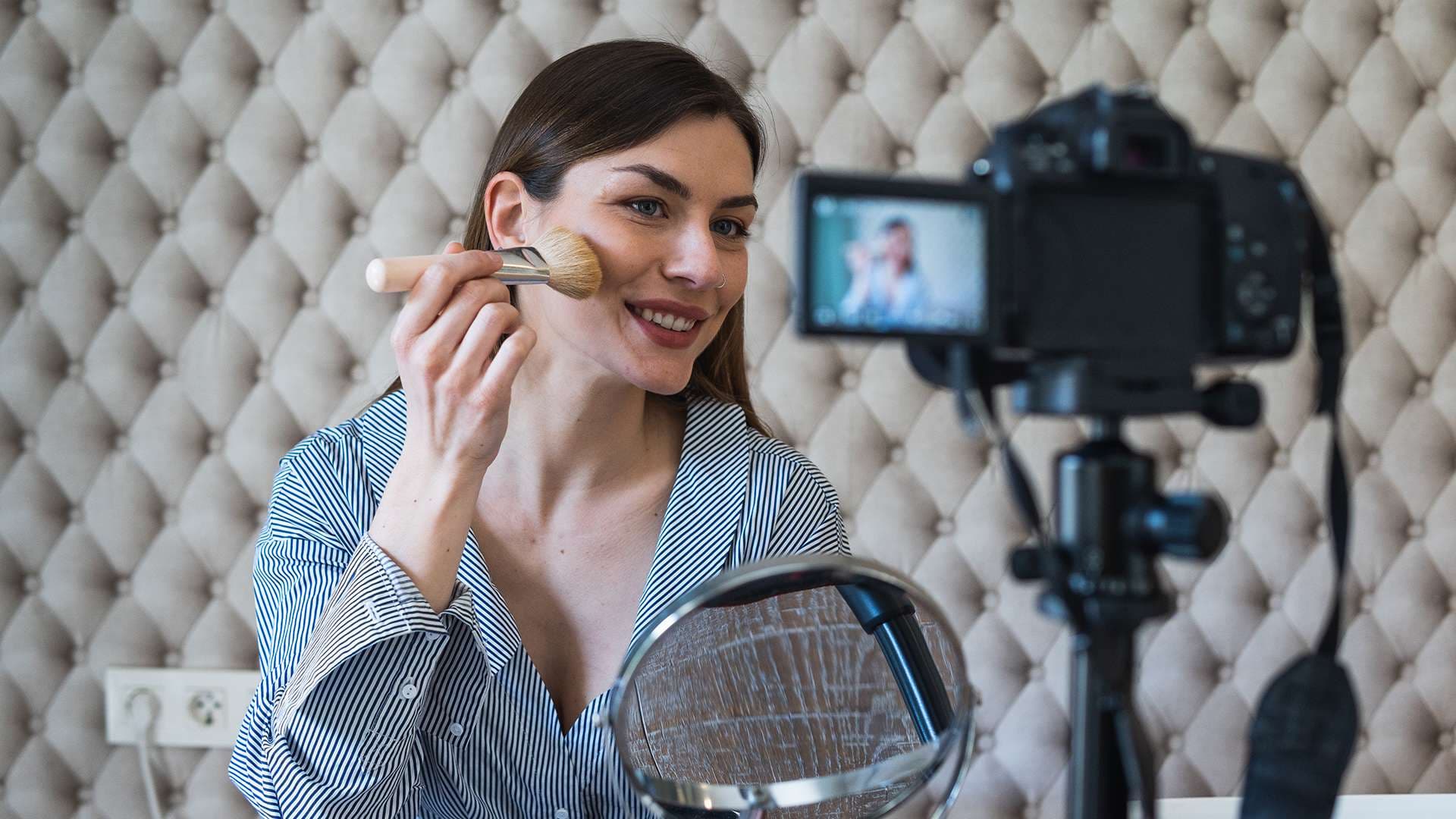
Knowing where to find influencers is as much about precision as it is about reach. Leading influencer discovery platforms like Modash and HypeAuditor have set the benchmark for scale and targeting. Modash surfaces over 350 million profiles across Instagram, TikTok, and YouTube, with granular filters—follower count, engagement rate, bio keywords, hashtags, audience demographics, and even AI-powered content analysis (Modash, 2026). HypeAuditor offers a similarly robust database, layering in over 35 filters, including hashtag-based and lookalike searches, plus an Audience Quality Score to cut through vanity metrics (HypeAuditor, 2026). These tools aren’t just about volume—they’re about extracting actionable, campaign-ready shortlists in minutes.
Using social media to discover influencers in your niche
For marketers unwilling to rely solely on paid platforms, social media search remains a sharp weapon. Instagram, TikTok, and LinkedIn all allow for advanced hashtag, keyword, and location filtering. Niche communities—think Reddit threads, Discord servers, or private Facebook groups—offer access to micro-influencers who drive real engagement within tightly defined audiences. Manual searches can expose emerging voices before they hit the mainstream, but the process is time-intensive and requires a practiced eye for authentic influence versus inflated numbers.
Tools for efficient influencer research
Influencer search tools go beyond databases. Upfluence, for example, combines an opt-in marketplace with social listening, surfacing creators who already mention your brand or competitors. Heepsy’s free tier gives access to basic filters for influencer discovery, with more advanced audience quality metrics available on paid plans. The most effective approach blends automated filtering with manual review—let the algorithm surface candidates, then interrogate their content, audience, and brand fit yourself.
Competitor analysis and agency support
Reverse-engineering competitor campaigns is a shortcut to proven influencer pools. Tools can reveal which creators have delivered for rival brands, but don’t just copy—look for gaps and emerging talent. Agencies offer speed and network access, but at a premium and with less direct control. Manual search is slower, but it keeps you close to the ground and often surfaces more authentic partnerships. The best results come from balancing automation with hands-on evaluation.
Vetting for Authenticity: How to Evaluate Influencer Fit and Impact
How to evaluate influencer authenticity
The influencer vetting process starts with a cold, unsentimental look at credibility. Surface-level follower counts are irrelevant if the influencer’s persona feels manufactured or opportunistic. Scrutinize their content for consistency, originality, and a voice that doesn’t shift with every sponsored post. Red flags: sudden spikes in followers, erratic posting patterns, or an obvious lack of personal investment in their niche. If their feed is a revolving door of brand deals, move on.
Analyzing influencer engagement and audience quality
Engagement rates matter, but only when paired with audience quality. Run an influencer audience analysis: Who’s actually interacting? Are comments genuine, or does every post attract the same generic replies? Look beyond likes—study shares, saves, and the sentiment of conversations. High engagement from irrelevant or bot-heavy demographics will tank ROI. Use tools to segment audience data by geography, interests, and age to ensure alignment with your campaign’s objectives.
Detecting fake followers and inflated metrics
Fake followers remain rampant. Watch for anomalies: follower-to-engagement ratios that defy logic, or sudden bursts of activity from low-quality accounts. Don’t be fooled by vanity metrics. Cross-check with third-party validation tools, but don’t rely on automation alone—manual spot checks reveal what algorithms miss. If an influencer’s numbers look too good to be true, they probably are.
Qualitative and quantitative analysis: balancing the equation
Effective influencer vetting demands both data and judgement. Quantitative metrics—reach, engagement, audience overlap—are necessary, but qualitative fit is non-negotiable. How does their content style align with your brand’s tone? Do they have a track record of brand partnerships that could create conflicts or dilute your message? Review past campaigns for evidence of sustained impact, not just one-off spikes.
- Deploy a checklist covering authenticity, audience fit, and historical performance.
- Cross-reference with your influencer selection criteria to ensure nothing slips through the cracks.
- Establish clear influencer campaign measurement benchmarks before outreach begins.
The influencer vetting process is ruthless for a reason: only those who pass both qualitative and quantitative scrutiny will deliver credible, measurable ROI.

Outreach That Works: Crafting Effective Influencer Pitches
Writing the perfect influencer pitch
Knowing how to contact influencers is a commercial skill, not a numbers game. The most effective outreach starts with clarity. State who you are, why you’re reaching out, and what you want—fast. Avoid fluff. Lead with the value proposition: what’s in it for them, not just for you. A tight, well-structured pitch respects their time and signals professionalism. One paragraph each: context, opportunity, next steps. That’s it.
Personalizing your influencer outreach
Mass emails are ignored. Personalized influencer messaging cuts through because it proves you’ve done the work. Reference a recent project or specific piece of content. Show you understand their audience and creative style. This isn’t just about flattery; it’s about relevance. If you can’t articulate why this influencer fits your brand, don’t hit send. Precision beats volume every time in influencer outreach tips.
How to get a response from top influencers
Top-tier creators are pitched daily. To stand out, set clear expectations—deliverables, timelines, compensation—upfront. Don’t bury the ask. Be transparent about what partnership means and what success looks like. If you have an influencer pitch template, use it as a starting point, but never as a substitute for real tailoring. Follow up once, professionally and succinctly. If there’s no reply, move on. Persistence is not pestering.
Effective influencer outreach is about building relationships, not just closing deals. Every touchpoint—initial message, follow-up, even the “no thanks”—shapes your reputation in the creator economy. Treat influencers as partners, not distribution channels. The payoff is higher response rates, stronger collaborations, and a brand that’s remembered for the right reasons.
Beyond the First Campaign: Building Sustainable Influencer Relationships
Influencer relationship management is no longer about transactional deals or one-off posts. Brands that treat influencers as disposable media channels miss the real upside: compounding value through long-term influencer partnerships. The best results come when brands invest in nurturing influencer connections, building trust, and aligning incentives beyond a single deliverable.
How to turn influencers into brand advocates
Turning an influencer into a true advocate requires more than a contract. It starts with understanding their audience, creative voice, and professional ambitions. Brands need to offer more than money—think early access, creative input, or unique experiences that cement loyalty. The goal: shift the relationship from vendor to collaborator, making the influencer feel invested in the brand’s success.
Best practices for long-term influencer collaboration
Effective brand-influencer collaboration is built on clarity, consistency, and respect. Set up frameworks that allow for creative freedom while maintaining brand guardrails. Establish regular feedback loops—debrief after each campaign, not just when something goes wrong. Recognize standout work publicly and privately. If you want influencers to stick around, make them feel seen and heard, not just paid.
Measuring the value of ongoing influencer partnerships
Short-term metrics—impressions, clicks, conversions—don’t capture the full picture. With ongoing partnerships, track deeper indicators: share of voice, sentiment shifts, repeat engagement, and the influencer’s own enthusiasm for the brand. Use these signals to refine your influencer campaign management approach and identify candidates for ambassador programs. The strongest partnerships become self-reinforcing, driving both brand equity and commercial results.
Sustainable influencer relationship management is about playing the long game. Brands willing to invest in genuine, reciprocal connections will outpace those chasing quick wins. The future belongs to those who see influencers not as assets to be leveraged, but as partners to be grown with.
Common Pitfalls in Finding Influencers—and How to Avoid Them
Top mistakes brands make when finding influencers
The most persistent mistakes in how to find influencers stem from a fixation on vanity metrics. Follower count, surface-level engagement rates, and a slick grid are seductive, but rarely predictive of real impact. Brands chasing reach often ignore the deeper mechanics: audience quality, relevance, and the influencer’s history with similar campaigns. This is more than a numbers game. It’s about alignment and credibility, not just amplification.
How to avoid influencer marketing failures
Start by interrogating the audience behind the numbers. Demographics, psychographics, and—most critically—signs of inorganic growth or engagement fraud. Influencer vetting errors often begin with skipping this forensic step. Next, ensure the influencer’s values and tone don’t just fit your brand—they fit the specific goals and context of your campaign. Too many partnerships fail because the creative brief is generic or the influencer’s audience is mismatched to the intended outcome.
Signs you’ve chosen the wrong influencer
If you find yourself rewriting every caption or policing every post, you’ve likely miscast your influencer. Other red flags: sudden drops in engagement, negative sentiment in comments, or a disconnect between influencer content and your brand’s positioning. These are classic signals of avoiding bad influencer partnerships—often only visible after the contract is signed, but preventable with rigorous upfront vetting.
- Do not rely solely on automated tools for selection—layer in manual review and qualitative assessment.
- Establish clear communication protocols during outreach. Vague briefs or slow responses are early warning signs of a misalignment in professionalism.
- Always reference your campaign objectives and audience profile when assessing fit. If an influencer’s past collaborations don’t align, move on.
The lessons from failed influencer collaborations are consistent: shortcuts in discovery and vetting lead to wasted spend, brand risk, and underperforming campaigns. Treat influencer selection as a strategic process, not a box-ticking exercise. The difference between a forgettable campaign and a high-performing one is rarely the size of the influencer’s following—it’s the strength of the match.
Conclusion
Effective influencer discovery is not a matter of luck or gut feel. It’s a deliberate, structured process that demands as much rigour as any other marketing investment. The brands that outperform in influencer marketing strategy are those that treat influencer partnerships as extensions of their own commercial and creative ambitions—not as a bolt-on channel or a vanity exercise.
At the core, the strategic approach begins with clarity: defining what the brand stands for, what it wants to achieve, and who it needs to reach. Influencer selection criteria must be grounded in more than follower counts or surface-level engagement. The right partners embody the brand’s values, echo its voice, and can translate campaign objectives into credible, audience-first storytelling. This is where alignment matters most. Anything less is just noise.
The process doesn’t end with discovery. Ongoing relationship management is non-negotiable. Influencer partnerships are built for the long term—requiring consistent communication, clear expectations, and a willingness to adapt as both brand and influencer evolve. The best results come from treating influencers as collaborators, not commodities. This approach unlocks authentic advocacy and sustained impact, not one-off spikes.
Ultimately, a strategic influencer marketing strategy is defined by its discipline and its intent. It’s about making every decision—who to work with, how to brief, what to measure—serve the brand’s larger story and goals. As the landscape matures, the brands that win will be those that approach influencer discovery and management with the same commercial sharpness they bring to every other business-critical function.
FAQs
How to find influencers for your brand?
Start with clarity on your audience and objectives. Use social listening and competitor mapping to identify voices commanding real engagement in your space. Prioritise relevance over reach—an influencer with a smaller but highly aligned following will outperform a generic celebrity every time. Avoid relying solely on influencer marketplaces; they rarely surface the best-fit talent.
What is the difference between an influencer and a content creator?
An influencer is valued for their ability to drive action or shape perception within a specific audience. A content creator, meanwhile, is defined by their craft—their output is the product, not necessarily their persona. The best partnerships often blend both: creators who influence and influencers who create at a high level.
What are the steps to finding the right influencers?
Define your campaign’s goals and target audience. Map the platforms where your audience is active. Shortlist potential influencers based on audience fit, content quality, and engagement rates. Vet their past collaborations and run a background check for brand alignment. Initiate direct outreach—don’t rely on generic DMs or mass emails.
How to evaluate influencer authenticity?
Scrutinise engagement quality, not just volume. Look for consistent, organic interaction—real comments, not bots or pods. Check for transparency in sponsored posts and a history of credible partnerships. Review audience demographics and sentiment to ensure there’s genuine influence, not just inflated numbers.
What are common mistakes brands make when finding influencers?
Overvaluing follower count, ignoring audience relevance, and failing to vet for past controversies are classic errors. Many brands also overlook contract clarity and underinvest in relationship-building, treating influencer work as transactional. These shortcuts undermine results and can damage brand reputation.
How to craft effective influencer pitches?
Be direct, concise, and informed. Reference the influencer’s specific work and explain why there’s a fit. Outline the value exchange clearly—what’s in it for them, not just for you. Avoid generic outreach; personalised, well-researched pitches cut through the noise and signal professionalism.
What are the benefits of long-term influencer partnerships?
Long-term partnerships drive deeper audience trust, enable more authentic storytelling, and reduce onboarding friction. The influencer understands your brand, so creative output improves over time. Economically, it’s more efficient than repeated one-offs, and it builds a stable pipeline of high-performing content.
.webp)
Creative Collaboration Platform: The Backbone of Modern Creative WorkWhat is a creative collaboration platform?Clapboard defines a creative collaboration platform as the operational core for today’s distributed creative teams. This is not a collection of digital collaboration tools stitched together; Clapboard’s system

Understanding the Creative Production MarketplaceWhat is a Creative Production Marketplace?Clapboard defines a creative production marketplace as a structured ecosystem where brands, agencies, and production talent converge to execute video, advertising, and branded content at scale. Unlike the legacy agency or freelanREAD FULL ARTICLE

The Urgent Need for a Creative Production Operating SystemWhy Traditional Creative Production Models Break DownClapboard sees the creative production landscape shifting under pressure. Content velocity is no longer a buzzword—it’s a mandate. Modern advertising demands relentless output across dozens of channels, each wREAD FULL ARTICLE
JOIN THE NEWSLETTER.
Content Production insights, videos, books, and freebies, delivered to your inbox weekly


LEAVE A COMMENT
Your email address will not be published.