



Varun Katyal | Founder, Clapboard
Varun Katyal is the Founder & CEO of Clapboard and a former Creative Director at Ogilvy, with 15+ years of experience across advertising, branded content, and film production. He built Clapboard after seeing firsthand that the industry’s traditional ways of sourcing talent, structuring teams, and delivering creative work were no longer built for the volume, velocity, and complexity of modern content. Clapboard is his answer — a video-first creative operating system that brings together a curated talent marketplace, managed production services, and an AI- and automation-powered layer into a single ecosystem for advertising, branded content, and film. It is designed for a market where brands need content at a scale, speed, and level of specialization that legacy agencies and generic freelance platforms were never built to deliver. The thinking, frameworks, and editorial perspective behind this blog are shaped by Varun’s experience across both the agency world and the emerging platform-led future of creative production. LinkedIn: https://www.linkedin.com/in/varun-katyal-clapboard/
Content Strategies That Win With Social Media Stories
Aligning Stories Content With Brand Objectives
A social media stories content strategy that performs starts with ruthless alignment to brand objectives. Stories are not a dumping ground for leftover assets—they are a stage for sharp, time-sensitive narratives that reinforce your positioning. Define what each story should achieve: drive traffic, push a product, or build brand equity. Map these goals directly to story formats and messaging. Remember, people remember stories 22X more than facts alone (Ignite Visibility, 2025). If your content doesn’t move a business lever, it’s noise.
Best Content Ideas for Social Media Stories
Effective story content ideas are rooted in what audiences actually engage with, not what fills a content calendar. Behind-the-scenes glimpses humanize the brand and build trust. Product launches and feature teases create urgency and give followers a reason to act now. User-generated content (UGC) leverages social proof—showcasing real customers in stories drives credibility at scale. Polls, Q&As, and quick interactive formats are low-lift, high-engagement tactics that convert passive viewers into active participants. Stories built around brand storytelling have 3× higher time-on-post than standard posts (Marketing LTB, 2025). Don’t chase novelty; double down on formats that deliver measurable engagement.
Building a High-Impact Stories Calendar
Content planning for stories demands agility without sacrificing intent. The most effective teams use a rolling stories calendar—anchored by key campaigns, launches, and cultural moments, but flexible enough to capitalize on real-time trends. Integrate story content into your broader content calendar for brands to ensure consistency, but leave space for spontaneous creative. Repurpose high-performing feed content, testimonials, or even snippets from longer videos to maximize asset value. Each story slot should have a clear role: awareness, engagement, or conversion. This is not about volume; it’s about sequencing the right moments to move the needle.
Ultimately, social media stories content strategy is about disciplined creativity. It’s the intersection of real audience insight, sharp planning, and an uncompromising link to business outcomes. If your stories aren’t engineered for impact, you’re just adding to the noise.

Interactive Features That Boost Engagement in Stories
How to Use Polls and Stickers to Engage Your Audience
Interactive social media stories are the sharpest lever for real-time audience participation. Polls, quizzes, emoji sliders, and Q&A stickers aren’t window dressing—they’re conversion engines. Polls in stories, for example, prompt a binary decision, lowering the barrier for response and generating instant feedback. Quizzes and question boxes push deeper, surfacing qualitative insights and uncovering sentiment that static posts never will. These tools do more than entertain; they give creative teams a live pulse on audience thinking, and for marketers, that’s actionable data. According to documented techniques, interactive elements like polls and emoji sliders in Instagram Stories drive more engagement (Sprout Social, 2026).
Boosting Brand Interaction With Story Features
Every tap, swipe, and reply is a micro-interaction that compounds brand affinity. Swipe-up links and direct message prompts move viewers from passive consumption to active exploration—whether that’s visiting a landing page or sharing a reaction. Shareable moments, like branded challenges or “this or that” polls, turn audience participation into organic distribution. The effect is a feedback loop: the more a user interacts, the more likely the algorithm is to resurface your stories. This isn’t about vanity metrics; it’s about building a two-way channel that outperforms traditional broadcast content. For a deeper dive into increasing engagement rates, see our dedicated analysis.
Turning Viewers Into Participants With Stories
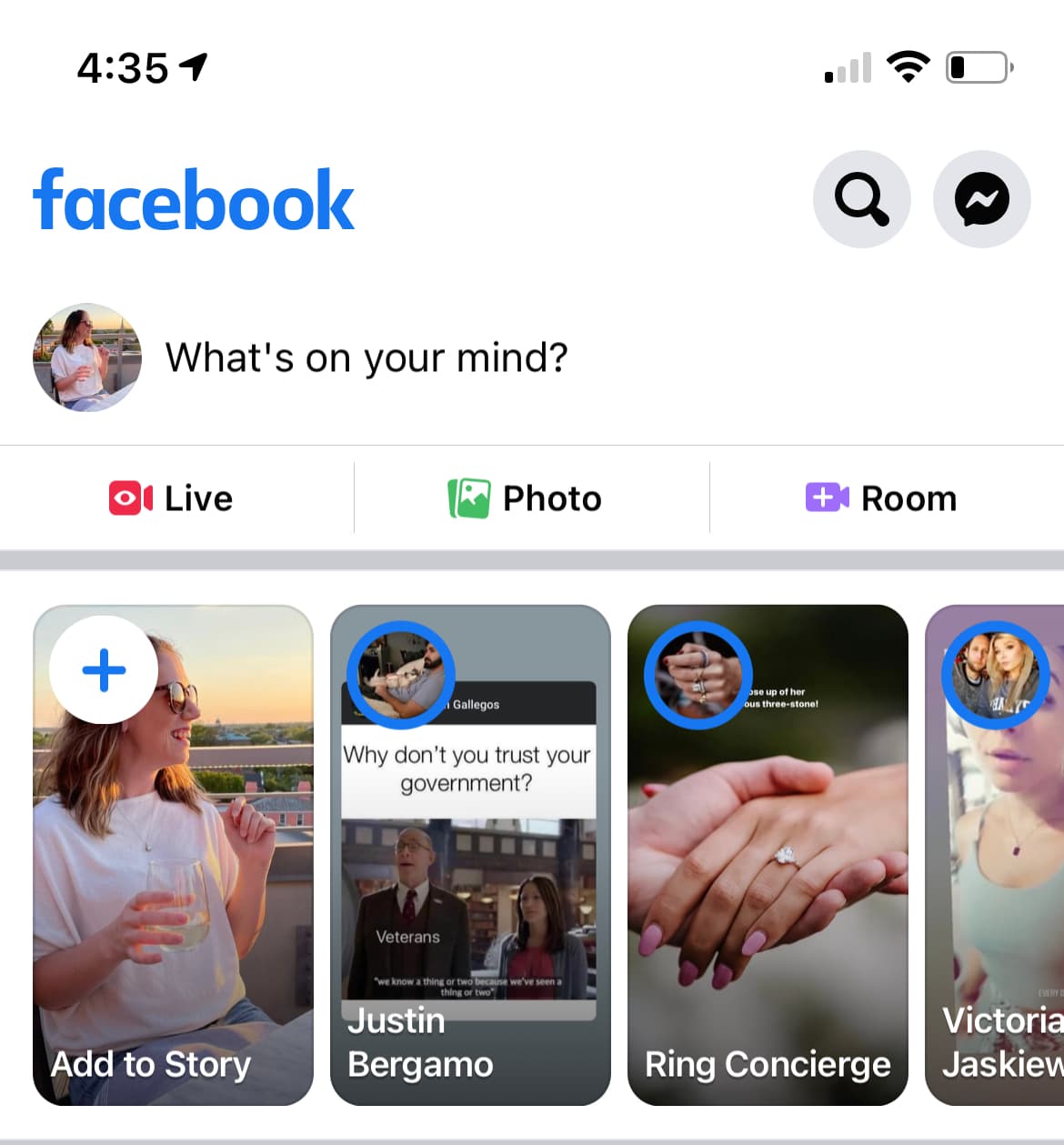
Effective stories don’t just inform—they convert viewers into participants. Q&A stickers invite direct questions, giving brands a chance to address audience needs in real time. Polls and quizzes do double duty: they drive engagement and surface user preferences, feeding back into creative and product strategy. As documented, interactive polls and quizzes in Instagram Stories invite audience participation, turning passive viewers into participants and enabling audience research (Socialinsider, 2026). The smart play is to measure impact ruthlessly: track interactions, benchmark against impressions, and iterate. For those leveraging user feedback, these features are your frontline sensors.
Integrating Social Media Stories Into Your Brand’s Content Ecosystem
How to Blend Stories With Other Content Types
Integrating social media stories isn’t about chasing fleeting attention—it’s about expanding your content ecosystem with a format built for immediacy and intimacy. Stories should complement, not cannibalize, your posts, reels, and long-form content. Use stories to tease launches, amplify campaign moments, or deliver behind-the-scenes context that deepens engagement with your more permanent assets. The goal: stories act as connective tissue, driving traffic and framing the narrative arc across channels.
Synchronizing Stories With Your Marketing Calendar
Stories demand a different cadence than feed posts or editorial content. Too frequent, and you dilute impact; too sparse, and you lose relevance. Anchor story activity to your core marketing calendar—major launches, key tentpoles, and ongoing campaigns—then layer in reactive or opportunistic content as needed. This approach ensures stories reinforce your omnichannel marketing efforts rather than becoming an isolated stream of noise.
Creating a Cohesive Brand Narrative Across Channels
Brand storytelling integration is only effective if your voice and message remain consistent, regardless of format. Stories excel at delivering bursts of personality, but they must echo the same values, tone, and strategic priorities as your other content. Align story themes with your broader content strategy alignment to avoid fragmentation. Cross-promote between stories, posts, and long-form pieces to guide audiences deeper into your brand experience, turning fleeting impressions into sustained attention.
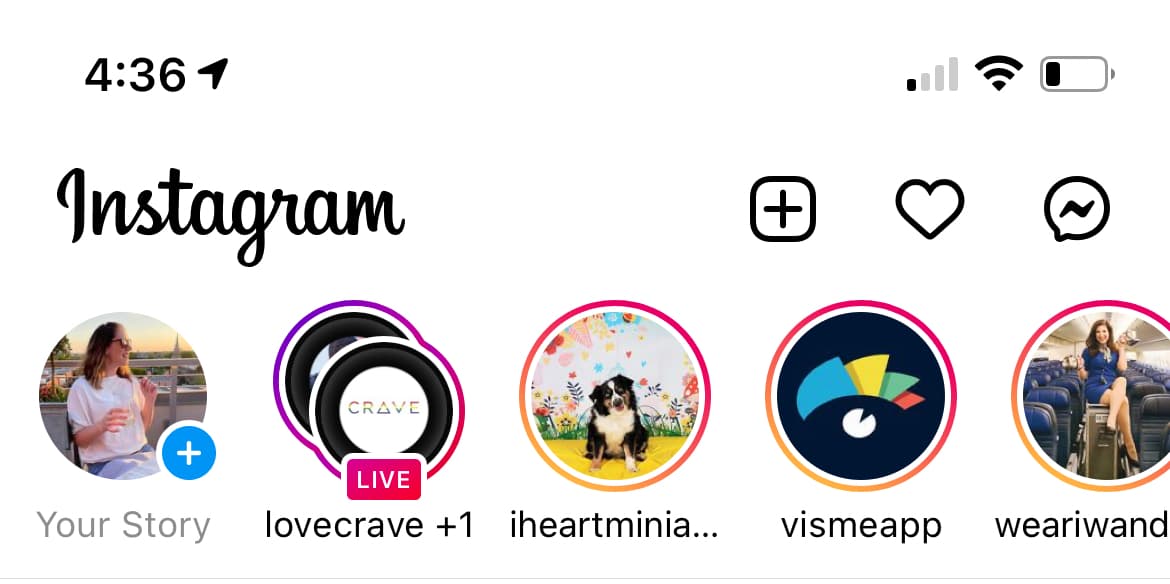
Integrating social media stories into a holistic content ecosystem is a discipline, not an afterthought. Treat stories as a strategic lever—one that, when synchronized with your multi-channel marketing, amplifies reach and sharpens narrative cohesion. In a landscape where attention is both scarce and mobile, seamless integration is what separates noise from influence.
Measuring the Success of Social Media Stories for Brands
What Metrics Matter Most for Stories?
Measuring social media stories for brands starts with clarity on what moves the needle. Forget vanity metrics. The real indicators are story views (reach), completion rates (retention), replies and direct messages (engagement), and click-throughs (action). These KPIs show not just who’s watching, but who’s compelled enough to interact or convert. Completion rate, in particular, is a proxy for narrative strength—if viewers drop off early, the story’s not landing.
Using Analytics to Refine Your Stories Strategy
Every major platform offers native dashboards, but serious operators go further. Use marketing analytics tools that aggregate cross-platform story analytics, giving you a holistic view. Monitor trends over time, not just campaign snapshots. Are certain formats—polls, Q&As, swipe-ups—consistently outperforming? Split-test creative variations and track the downstream impact on engagement metrics. The goal is to link story performance to broader marketing objectives, not just isolated spikes.
Interpreting Story Engagement Data for Brands
Raw numbers mean little without context. Benchmark against past performance and industry standards, but always interrogate the why behind the data. Did a spike in replies correlate with a provocative question? Did a dip in completion coincide with a jarring edit? The ROI of social media stories hinges on this interrogation. Use qualitative insights—comments, sentiment, DMs—to supplement the quantitative. Then, close the loop: feed learnings into your next round of production, tightening narrative flow or sharpening calls to action.
Effective measurement isn’t a post-mortem; it’s a feedback engine. The brands winning with stories aren’t just tracking—they’re relentlessly optimising. For marketers, that means treating story analytics as a dynamic tool for improving content performance, not just a reporting obligation.

Experimentation and Innovation: Staying Ahead With Stories
Testing New Story Features for Brand Growth
Innovating social media stories isn’t a creative indulgence—it’s a commercial imperative. Platforms are in a constant state of flux, rolling out new story features and formats at a relentless pace. Live video, AR filters, and interactive stickers aren’t novelties; they’re the new table stakes. Brands that treat stories experimentation as a core discipline, not a side project, secure first-mover advantages and capture attention before competitors can catch up.
How to Keep Your Social Media Stories Fresh
Stagnation is a silent killer in the stories space. Running the same creative playbook season after season guarantees diminishing returns. The solution is disciplined creative testing. Rotate between formats—boomerangs, polls, Q&As, quick cuts, and native platform tools. When a new story feature drops, deploy a rapid test-and-learn sprint. The goal isn’t to chase novelty for its own sake, but to pressure-test what actually shifts engagement and brand outcomes.
Learning From Experiments: Iterating Your Stories Strategy
Innovation isn’t guesswork. Every test should be grounded in clear hypotheses, measured against hard metrics. Audience feedback and analytics are your compass. Track completion rates, tap-forward/backward ratios, and direct responses. When a new approach lands, double down. When it misses, cut fast and move on. This cycle of experimentation, analysis, and iteration is what keeps stories strategies commercially relevant and creatively sharp.
Ultimately, the brands that win in stories are those that treat innovation as a process, not an event. They build a culture where testing new content formats and adapting to platform shifts is routine. In a landscape defined by fleeting attention and algorithmic change, ongoing innovation isn’t optional. It’s the only way to stay visible, relevant, and ahead of the curve.

Common Pitfalls and Misconceptions About Social Media Stories for Brands
The Biggest Mistakes Brands Make With Stories
Too many brands approach social media stories for brands with a scattergun mentality. Overposting is rampant—flooding feeds with low-value, repetitive content that trains audiences to skip. The opposite is just as damaging: underutilizing stories, treating them as an afterthought rather than a primary channel. Both extremes undermine consistency and erode engagement, especially when stories are siloed from broader campaign strategy.
Myths About Social Media Stories for Brands Debunked
One persistent myth is that stories are only for “fun” or “behind-the-scenes” content. In reality, stories can drive hard business outcomes when integrated with clear objectives. Another misconception: believing that the same creative works across all platforms. Platform fit matters—what succeeds on Instagram stories can flop on LinkedIn or TikTok. Assuming all audiences behave the same is a shortcut to wasted spend and missed opportunity.
How to Avoid Storytelling Pitfalls on Social Media
The root cause of most stories mistakes is neglecting analytics. Too many teams push stories live, then move on without reviewing performance. This is a miss. Stories offer granular data—completion rates, tap-backs, exits—that reveal what’s working and what’s not. Brands that fail to optimize based on these signals are leaving reach, impact, and budget on the table. Treat stories as a core channel, not a bolt-on. Audit frequency, creative, and platform fit regularly. And if you’re seeing content fatigue, revisit your approach—don’t just post for the sake of it. For a deeper dive, see our guidance on social media best practices and strategies for avoiding content fatigue.
Conclusion
Social media stories have shifted from novelty to necessity in the toolkit of any brand that takes digital marketing seriously. Their ephemeral nature isn’t a limitation; it’s an engine for immediacy, relevance, and direct connection. Brands that understand this dynamic don’t just chase trends—they shape them, using stories to drive brand engagement on social media while building real affinity in a landscape where attention is always contested.
Integrating social media stories into broader content strategy alignment isn’t about repurposing assets for another channel. It’s about recognizing where audiences actually spend their time and how they prefer to interact. Stories offer a canvas for authenticity, agility, and ongoing dialogue. When deployed with intent, they move beyond surface-level engagement to deepen brand loyalty and establish a feedback loop that informs creative and commercial decisions alike.
Digital marketing trends will continue to evolve, but the underlying principle remains: the brands that win are those that adapt faster and experiment smarter. Stories are not a silver bullet—they’re a proving ground for creative risk and operational discipline. The data is clear: stories drive higher interaction rates, fuel increasing brand visibility, and reward teams willing to iterate in real time. But effectiveness is never static. What works today will be table stakes tomorrow.
For senior marketers and creative leaders, the mandate is clear: treat social media stories as a core pillar of social media best practices, not an afterthought. The brands that thrive will be those that see stories not as fleeting content, but as a strategic lever—one that demands ongoing innovation, sharp commercial focus, and a willingness to lead, not follow, as digital marketing trends continue to accelerate.
FAQs
How can social media stories transform my brand engagement?
Social media stories drive immediacy and relevance, pulling audiences into real-time narratives. Their ephemeral nature creates urgency, prompting viewers to engage before content disappears. Brands that leverage stories effectively see higher touchpoints, deeper interaction, and increased loyalty as audiences return for fresh, time-sensitive updates.
What are effective content strategies for social media stories?
Effective story strategies hinge on clarity, brevity, and progression. Use sequential storytelling to build anticipation, integrate strong calls-to-action, and tailor creative for vertical consumption. Prioritise behind-the-scenes access, quick polls, and product teases—formats that reward repeat viewing and invite participation without fatiguing your audience.
How do I choose the right social media platform for stories?
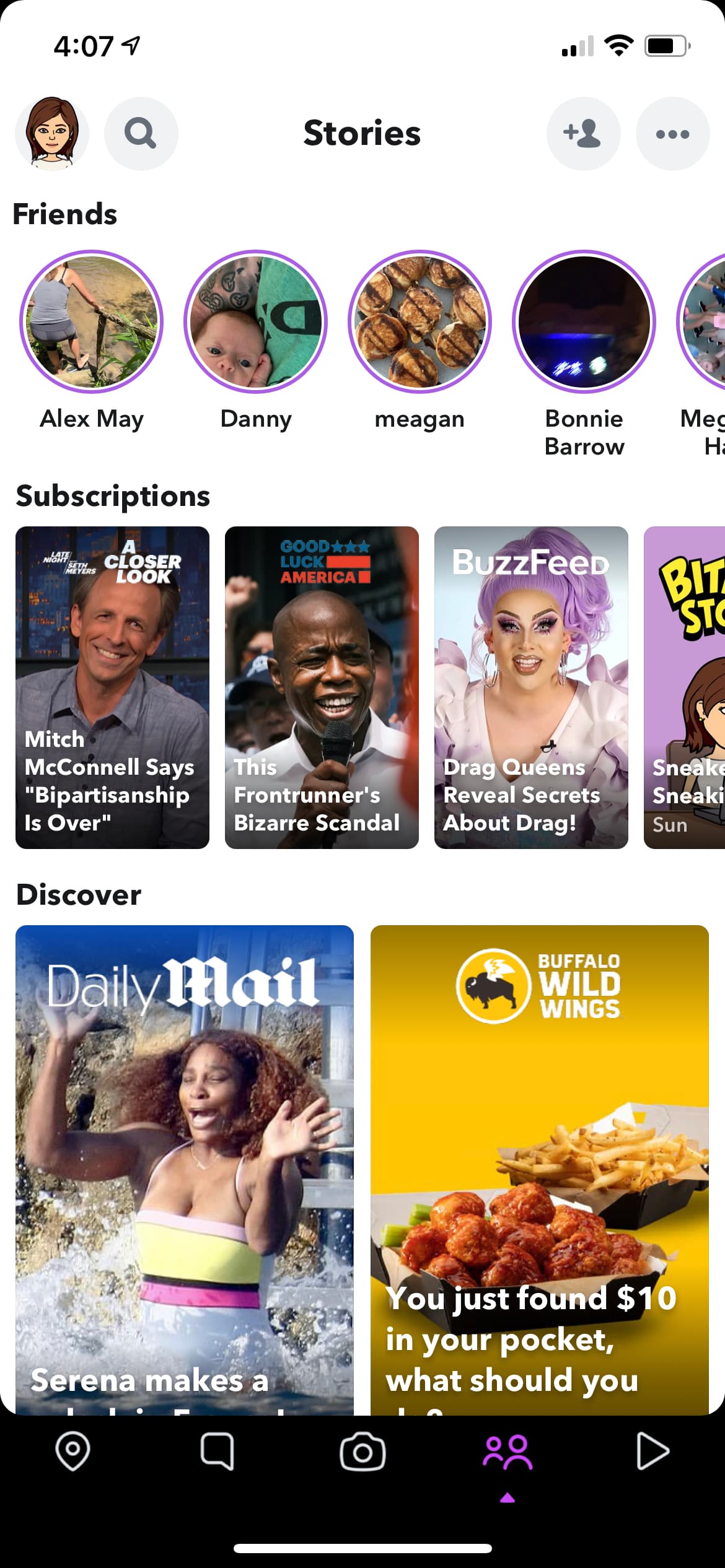
Platform choice depends on your audience and objectives. Instagram Stories excel with visually-led, lifestyle content and younger demographics. LinkedIn Stories (where available) suit B2B and thought leadership. Snapchat skews even younger, while Facebook Stories offer broad reach but lower organic engagement. Match platform to intent and audience behaviour.
What interactive features can boost engagement in stories?
Tools like polls, quizzes, sliders, and Q&A stickers transform passive viewing into active participation. These features not only boost engagement rates but also yield valuable audience insights. Use them to prompt feedback, test concepts, or gather sentiment—making viewers feel directly involved in your brand narrative.
How can I integrate social media stories into my overall content strategy?
Stories should complement, not compete with, your core content. Use them for timely updates, campaign teasers, or quick insights that drive traffic to longer-form assets. Align story themes with broader marketing objectives and ensure creative consistency across channels for cohesive brand presence.
What metrics should I use to measure the success of social media stories?
Prioritise completion rate, reply volume, and sticker interactions over raw view counts. Track tap-forward and tap-back rates to gauge content pacing. Link clicks and swipe-ups are critical for direct response. Analyse these metrics in context—surface-level reach rarely reflects true engagement or impact.
What are common pitfalls to avoid with social media stories?
Common mistakes include overproduction, lack of narrative flow, and ignoring platform norms. Avoid using stories as dumping grounds for repurposed content. Don’t neglect analytics—failure to iterate based on performance data leads to diminishing returns and audience fatigue.
.webp)
Creative Collaboration Platform: The Backbone of Modern Creative WorkWhat is a creative collaboration platform?Clapboard defines a creative collaboration platform as the operational core for today’s distributed creative teams. This is not a collection of digital collaboration tools stitched together; Clapboard’s system

Understanding the Creative Production MarketplaceWhat is a Creative Production Marketplace?Clapboard defines a creative production marketplace as a structured ecosystem where brands, agencies, and production talent converge to execute video, advertising, and branded content at scale. Unlike the legacy agency or freelanREAD FULL ARTICLE

The Urgent Need for a Creative Production Operating SystemWhy Traditional Creative Production Models Break DownClapboard sees the creative production landscape shifting under pressure. Content velocity is no longer a buzzword—it’s a mandate. Modern advertising demands relentless output across dozens of channels, each wREAD FULL ARTICLE
JOIN THE NEWSLETTER.
Content Production insights, videos, books, and freebies, delivered to your inbox weekly


LEAVE A COMMENT
Your email address will not be published.