


Varun Katyal | Founder, Clapboard
Varun Katyal is the Founder & CEO of Clapboard and a former Creative Director at Ogilvy, with 15+ years of experience across advertising, branded content, and film production. He built Clapboard after seeing firsthand that the industry’s traditional ways of sourcing talent, structuring teams, and delivering creative work were no longer built for the volume, velocity, and complexity of modern content. Clapboard is his answer — a video-first creative operating system that brings together a curated talent marketplace, managed production services, and an AI- and automation-powered layer into a single ecosystem for advertising, branded content, and film. It is designed for a market where brands need content at a scale, speed, and level of specialization that legacy agencies and generic freelance platforms were never built to deliver. The thinking, frameworks, and editorial perspective behind this blog are shaped by Varun’s experience across both the agency world and the emerging platform-led future of creative production. LinkedIn: https://www.linkedin.com/in/varun-katyal-clapboard/
Building a Foundation: Communication Protocols for Seamless Collaboration
Event social media collaboration doesn’t break down because teams lack tools. It fails when communication is an afterthought—when event and social teams operate on parallel tracks, each assuming the other will “just know” what’s needed. The solution isn’t more meetings or bigger group chats; it’s a disciplined, business-minded approach to team communication best practices, established before the first asset is even drafted.
Best tools for cross-team communication
Standardizing communication channels is non-negotiable. One team on Slack, another buried in email, and a third using WhatsApp is a recipe for missed updates and duplicated effort. Pick a single chat platform and a project management tool—then mandate their use. This isn’t about preference; it’s about operational control. For more on making the right choices, see our guide to communication tools for teams.
Setting up regular check-ins for events
Early and ongoing communication is what separates high-performing collaborative workflows from reactive firefighting. Weekly check-ins aren’t optional—they’re the minimum. These meetings should be agenda-driven: updates, blockers, and next steps. Keep them short, but make attendance non-negotiable. Real-time alignment is the only way to prevent misalignment from compounding across fast-moving timelines.
Creating a shared collaboration playbook
Misunderstandings thrive in ambiguity. A detailed project plan—outlining roles, responsibilities, deliverables, and timelines—sets clear expectations and prevents costly confusion (Sprout Social, 2024). Shared documentation isn’t a nice-to-have; it’s the backbone of any event planning workflow. Centralize everything: content calendars, asset trackers, approval chains. This is your single source of truth.
But information overload is real. To avoid silos and lost signals, enforce naming conventions, document versioning, and clear update protocols. The goal is frictionless handover and zero ambiguity on who owns what, when, and how feedback is delivered.
Finally, collaborative workflows must be resilient. When the unexpected happens—venue changes, speaker dropouts, viral moments—your communication foundation enables rapid response without chaos. The teams that win aren’t just creative; they’re operationally aligned from day one.
Leveraging Social Data for Audience-Centric Event Planning
How to collect actionable event insights from social media
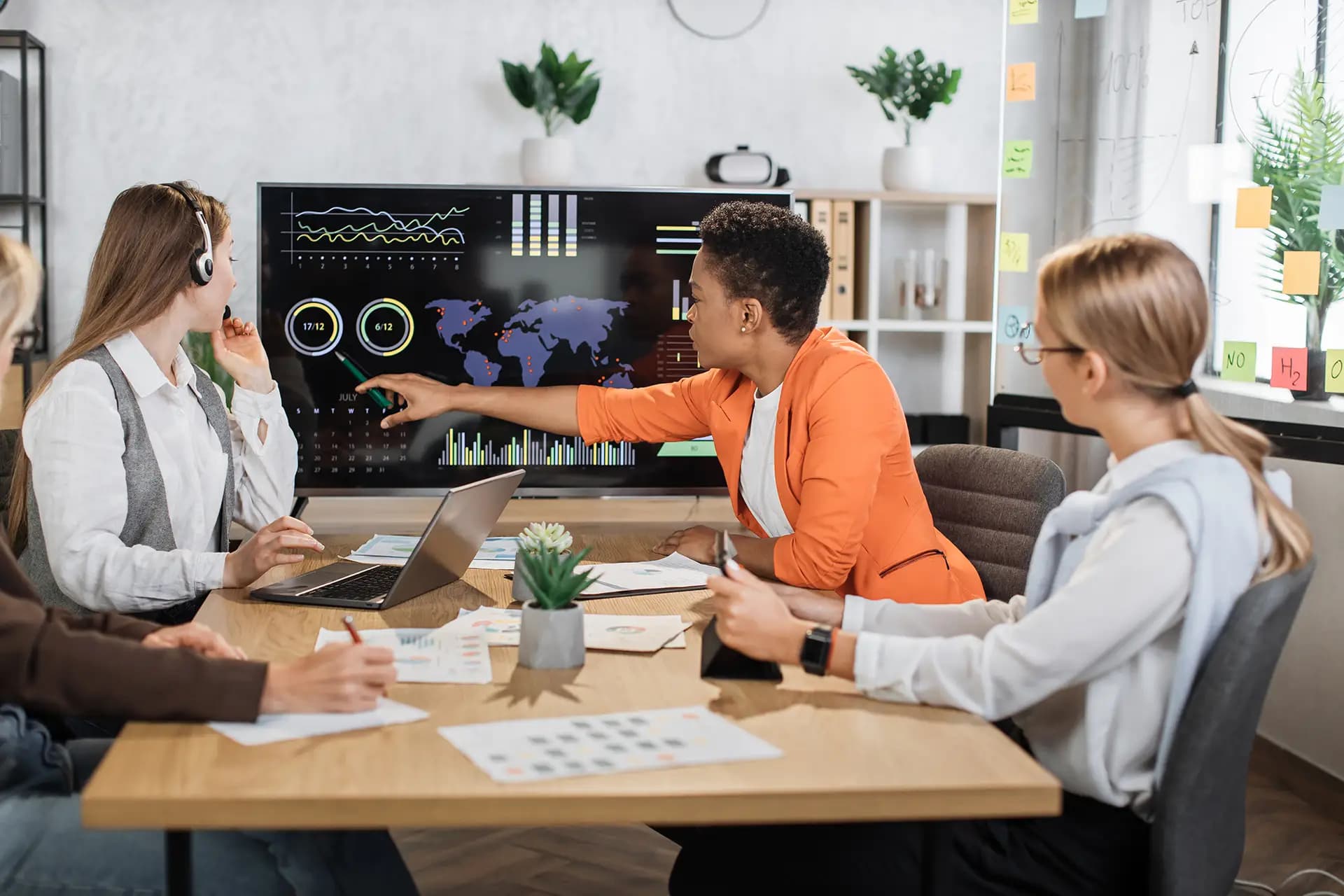
Effective use of social data for event planning starts with identifying the right data streams. Public posts, hashtags, comment threads, and story interactions all reveal what audiences care about before, during, and after an event. The goal isn’t volume—it’s relevance. Scrutinize conversations to extract audience insights that go beyond surface-level metrics. Track recurring topics, pain points, and emerging interests across platforms. This is where the groundwork for a data-driven event strategy is laid.
Using sentiment analysis to refine event agendas
Sentiment analysis transforms raw commentary into strategic input. It’s not enough to know what people are talking about; you need to understand how they feel. Positive sentiment around a speaker or session signals opportunity for amplification. Negative sentiment flags risk—whether it’s a poorly received topic or logistical frustration. This intelligence lets planners recalibrate agendas, messaging, and even real-time programming to align with audience mood. Social media analytics have proven their value in enabling planners to adjust programs and activities to better match audience needs (UKPD Academy, 2024).
Personalization and feedback loops: The edge of data-driven events
Personalization is the commercial differentiator. Social data reveals not just what audiences want, but how they want it delivered. Use these signals to tailor event experiences—curated content tracks, dynamic Q&A, or even adaptive networking formats. The feedback loop doesn’t end when the event does. Real-time feedback during events enables on-the-fly adjustments, whether that’s refining the schedule or responding directly to attendee questions (GCCEC, 2024). Post-event, the same data informs future strategies, closing the loop between audience expectation and event delivery.
Common mistakes in interpreting social data
Misreading or ignoring social signals is a fast track to irrelevance. One common mistake is overvaluing vanity metrics—likes and shares rarely translate to actionable insight. Another is confirmation bias: seeing what you want to see in the data, rather than what’s actually there. The most costly error is treating social data as a one-off exercise, instead of a continuous feedback mechanism. Senior marketers who treat social data as an afterthought, or as window dressing for post-event reports, miss its strategic potential.
Designing Data-Driven Event Experiences That Engage
Data-driven event experiences are no longer a luxury—they’re the expectation. Senior marketers know that every attendee interaction generates insight. The challenge is translating that raw data into experiences that actually move the needle on engagement and business outcomes. It’s not about collecting more data; it’s about acting on the right signals with precision and creativity.
Personalizing events based on attendee data
Event personalization starts with understanding intent, not just demographics. Smart teams use pre-registration data, content preferences, and prior engagement to build dynamic agendas and recommend sessions that align with individual interests. Real personalization goes further—custom networking groups, curated content streams, and even adaptive live polls that respond to audience energy in real time. This isn’t just a nice-to-have; it’s a lever for deeper attendee engagement and stronger post-event conversion.
Creative event formats that boost engagement
Innovative event formats are the antidote to “just another webinar.” Think interactive event features like live Q&A with immediate feedback, breakout sessions driven by attendee input, or gamified challenges that reward participation. Hybrid models—where virtual and in-person elements are seamlessly integrated—let you test and iterate, using audience data to refine formats on the fly. The most effective teams don’t settle for traditional panels. They design with engagement metrics in mind, then optimize relentlessly.
Overcoming digital event fatigue
Digital fatigue is real, but it’s not inevitable. The solution isn’t shorter sessions or more breaks—it’s relevance and interactivity. Use data to identify drop-off points and reengineer the agenda. Layer in surprise elements: live entertainment, real-time audience-driven content shifts, or direct access to speakers. Measure everything—session dwell time, participation rates, feedback scores—and feed those learnings back into the next iteration. This is the feedback loop that separates stagnant events from those that evolve and outperform expectations.
Data-driven event experiences demand rigor and imagination in equal measure. The teams that win are those who treat every insight as a creative brief, not just a statistic. That’s how you turn information into impact—and keep audiences coming back.
Event Promotion Strategies: Integrating Social Campaigns for Maximum Impact
Crafting a Social Media Calendar for Events
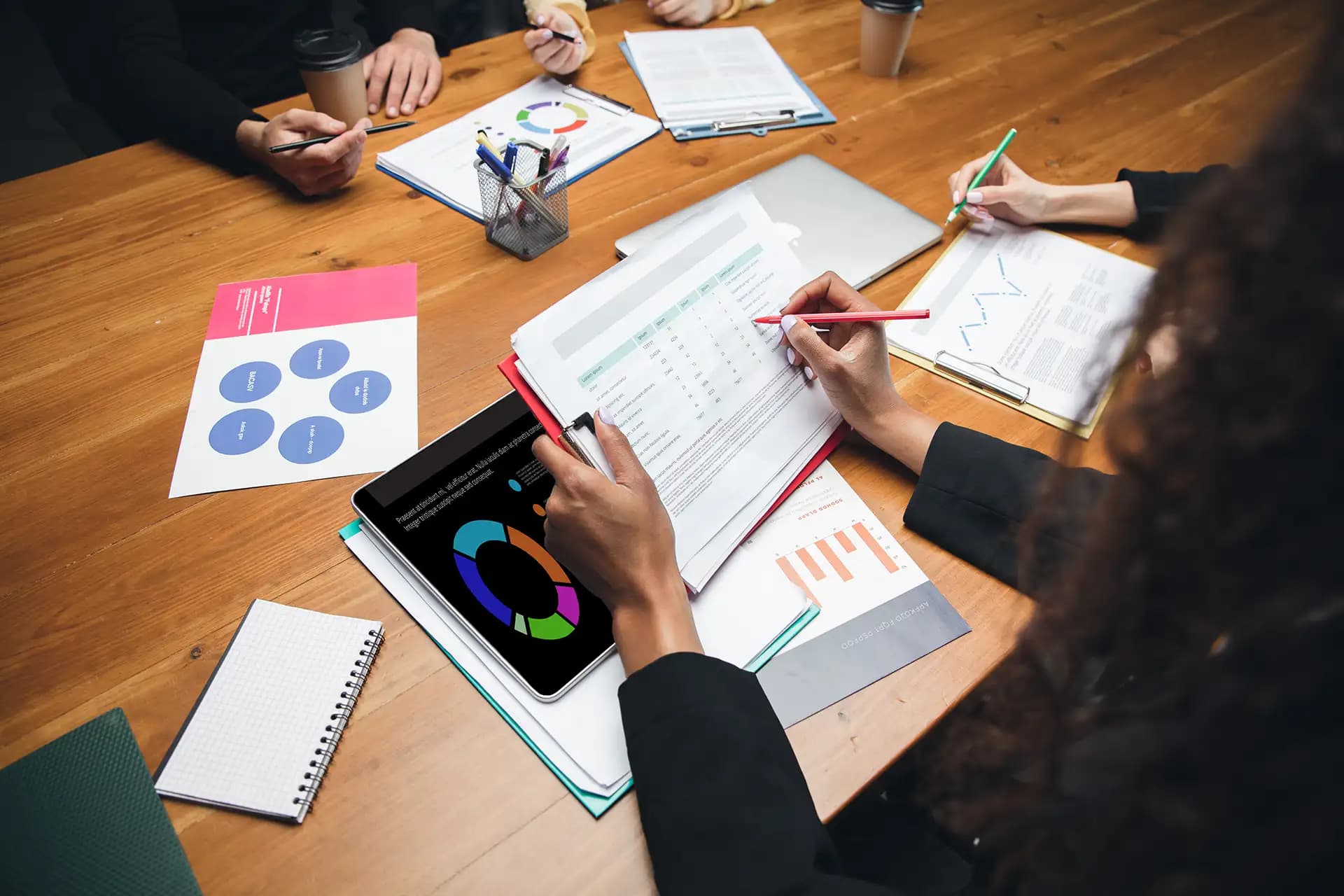
Effective event promotion strategies begin with a disciplined social media calendar. Map your campaign across three phases: pre-event, live, and post-event. Pre-event, seed anticipation—leverage event announcement tactics to drop key details and tease what’s coming. During the event, shift to real-time updates, live streams, and instant reactions. Post-event, focus on highlights, outcomes, and next steps to extend the event’s shelf life. This structure ensures your event marketing integration isn’t an afterthought but an engine driving continual engagement.
Building Buzz with Interactive Event Content
Static posts don’t cut it. Integrate interactive formats—polls, Q&As, and countdowns—into your social media campaigns to turn passive viewers into active participants. Behind-the-scenes content humanizes the experience and builds anticipation. Hashtags aren’t window dressing; they’re connective tissue. Create a campaign-specific hashtag and push it consistently. Partner with industry-relevant influencers who bring credibility and reach, not just empty follower counts. Every touchpoint should reinforce your event’s narrative while incentivizing shares and participation.
Using User-Generated Content in Event Promotion
User-generated content is your multiplier. Encourage attendees and followers to post their own perspectives using your campaign hashtag. Feature the best entries on your owned channels—this not only validates your community but also expands your reach organically. During the event, prompt real-time engagement: photo challenges, live reaction threads, or branded AR filters. After the event, showcase user stories and testimonials to reinforce your event’s impact and set the stage for future initiatives.
When event promotion strategies are fully integrated with broader social media campaigns, you create a feedback loop—awareness drives attendance, attendance fuels content, and content sustains momentum. This isn’t about flooding feeds; it’s about orchestrating attention, leveraging every asset, and turning moments into measurable impact.
Real-Time Event Social Media Collaboration: Tactics for Live Engagement
How to coordinate live event social media teams
Effective live event social media collaboration starts well before the event. Assign roles early: who’s capturing content, who’s editing, who’s publishing, and who’s monitoring engagement. Map out the event’s critical moments and pre-approve creative guardrails. This eliminates bottlenecks when the pressure is on and ensures every team member knows their lane.
Essential tools for real-time event collaboration
Slack, WhatsApp, or dedicated comms channels are non-negotiable for instant feedback loops. Shared cloud folders, live editing docs, and scheduled content queues keep assets flowing. Use a central dashboard for tracking real-time event coverage and team agility during events. This isn’t about over-tooling; it’s about removing friction so decisions are made in seconds, not minutes.
Responding to unexpected developments during events
No live event runs exactly to script. Establish a rapid escalation protocol: if something breaks, who calls it, and who decides the public response? Empower frontline social leads with decision rights for low-risk calls. For bigger issues, keep a direct line to senior stakeholders. This agility is the difference between reactive scrambling and proactive live social engagement.
- Instant content capture and sharing: Station content creators at key locations. Use mobile setups for on-the-fly editing. Push standout moments to publishing leads in real time—don’t wait for the recap.
- Real-time monitoring: Assign someone to track social sentiment, questions, and competitor moves. Relay actionable insights to the team instantly.
- Course-correct on the fly: If audience interest pivots, shift coverage focus without committee delays. Pre-event scenario planning helps, but adaptability wins on the day.
After the event, run a structured debrief. What worked? Where did handoffs fail? Use hard data—response times, engagement spikes, missed opportunities—to refine your approach. The best live event social media collaboration is a moving target. Only teams that learn fast and iterate ruthlessly will stay ahead.
Measuring Success: Metrics, Feedback, and Continuous Improvement
Key metrics for evaluating event social media collaboration
Event social media collaboration metrics go far beyond likes and follower counts. For senior marketers, the focus is on hard numbers that map directly to business outcomes: engagement rates, share of voice, attendee acquisition costs, and conversion rates from social to registration. Layer in event ROI measurement—cost per lead, deal velocity post-event, and pipeline attribution—and you start to see which collaborations genuinely move the needle. Don’t neglect platform-specific data, but always tie it back to your event’s commercial objectives.
Gathering actionable feedback from attendees
Quantitative metrics are only half the story. Structured attendee feedback—collected through post-event surveys, live polls, and social listening—reveals what the dashboards can’t. Look for patterns in sentiment, not just NPS scores. Did the collaborative content resonate? Did the event experience translate online? Use open-ended responses to surface friction points and unmet needs, then triangulate with team debriefs to identify operational blind spots.
Using data to refine future collaboration strategies
Continuous improvement isn’t just a slogan; it’s a production discipline. After every campaign, run a post-mortem focused on both successes and failures. Feed insights from event social media collaboration metrics and attendee feedback directly into your playbooks. Test new formats, adjust partner roles, and set sharper KPIs for the next round. The goal is a feedback loop that shrinks the gap between creative intent and business impact.
Balancing quantitative and qualitative data is what separates tactical reporting from strategic learning. The most effective teams build a culture where every event is an experiment, every outcome is scrutinized, and every insight drives measurable change. That’s how you turn one-off collaborations into a competitive advantage.
Conclusion
Event social media collaboration is not a bolt-on to a wider event marketing strategy; it is foundational to how modern brands drive meaningful engagement and deliver measurable results. The days of siloed teams—where event planners execute logistics and social media managers scramble for content—are over. Today, success depends on the seamless integration of creative, production, and distribution efforts from the earliest planning stages through to post-event analysis.
Collaboration is not just a cultural ideal; it’s a commercial imperative. When teams align on objectives, messaging, and metrics, they unlock efficiencies that directly impact budget, reach, and relevance. The benefits of this approach are tangible: sharper creative, faster content deployment, and a unified brand presence that resonates across channels. This is where team collaboration benefits become evident—not in theory, but in the real-world outcomes that matter to stakeholders and audiences alike.
Brand engagement is the true currency of event marketing. Integrated event planning and collaborative marketing teams are essential for maximizing every touchpoint, from live-streamed panels to behind-the-scenes reels. The interplay between on-the-ground experiences and digital amplification is what turns moments into momentum. The brands that win are those that engineer feedback loops, measure event success rigorously, and treat every campaign as a learning opportunity. Continuous improvement isn’t a post-mortem exercise; it’s built into the DNA of high-performing teams.
Ultimately, the most effective event marketing strategy is one that recognizes the interconnectedness of every decision, channel, and stakeholder. Collaboration isn’t just a process—it’s the operating system for event success. The brands that master it will set the pace for engagement, impact, and growth in a landscape where attention is earned, not assumed.
FAQs
How can event social media collaboration boost brand engagement?
Integrating event and social media strategies creates a feedback loop between live experience and digital amplification. Real-time content, attendee participation, and platform-native storytelling extend reach far beyond the venue. The result: deeper engagement, broader brand visibility, and a multiplier effect on both in-person and online audiences.
What are the key roles of event planners and social media managers in collaboration?
Event planners own the logistics, flow, and attendee experience. Social media managers translate those moments into content, manage live coverage, and drive digital engagement. Both teams must align on objectives but remain distinct—one shapes the event, the other scales its impact.
What communication protocols should be established for effective collaboration?
Set up shared run-of-show documents, real-time chat channels, and pre-event alignment meetings. Define escalation paths for issues and assign clear points of contact. Rapid, transparent communication is non-negotiable—especially when stakes and timelines are tight.
How can social data be leveraged for audience-centric event planning?
Analyze prior campaign data, trending topics, and audience sentiment to inform programming, speaker selection, and interactive elements. Social listening surfaces what audiences actually care about, enabling planners to tailor experiences and content to real demand—not assumptions.
What are effective event promotion strategies using social media?
Tease key moments, leverage speaker and partner networks, and use platform-specific formats—Stories, Reels, LinkedIn posts—to build anticipation. Integrate registration links and calls-to-action natively. Consistency and timing matter more than volume; coordinate drops for maximum attention.
What tactics can be used for real-time collaboration during live events?
Deploy on-site social leads, establish a live command center, and use collaborative content calendars. Enable instant media review and approval workflows. Rapidly surface standout moments for amplification—momentum is lost if teams aren’t tightly synced in the moment.
How can success be measured in event social media collaboration?
Track engagement rates, reach, attendee-generated content, and conversion metrics. Post-event, analyze sentiment and qualitative feedback. The true measure: did the collaboration drive measurable business outcomes and sustained audience interest, not just vanity metrics?
.webp)
Creative Collaboration Platform: The Backbone of Modern Creative WorkWhat is a creative collaboration platform?Clapboard defines a creative collaboration platform as the operational core for today’s distributed creative teams. This is not a collection of digital collaboration tools stitched together; Clapboard’s system
Understanding the Creative Production MarketplaceWhat is a Creative Production Marketplace?Clapboard defines a creative production marketplace as a structured ecosystem where brands, agencies, and production talent converge to execute video, advertising, and branded content at scale. Unlike the legacy agency or freelanREAD FULL ARTICLE
The Urgent Need for a Creative Production Operating SystemWhy Traditional Creative Production Models Break DownClapboard sees the creative production landscape shifting under pressure. Content velocity is no longer a buzzword—it’s a mandate. Modern advertising demands relentless output across dozens of channels, each wREAD FULL ARTICLE
JOIN THE NEWSLETTER.
Content Production insights, videos, books, and freebies, delivered to your inbox weekly


LEAVE A COMMENT
Your email address will not be published.