Discover Women's Aid's 2024 campaign "The Ignored Emergency," highlighting domestic abuse as a urgent public crisis through impactful film and multi-channel
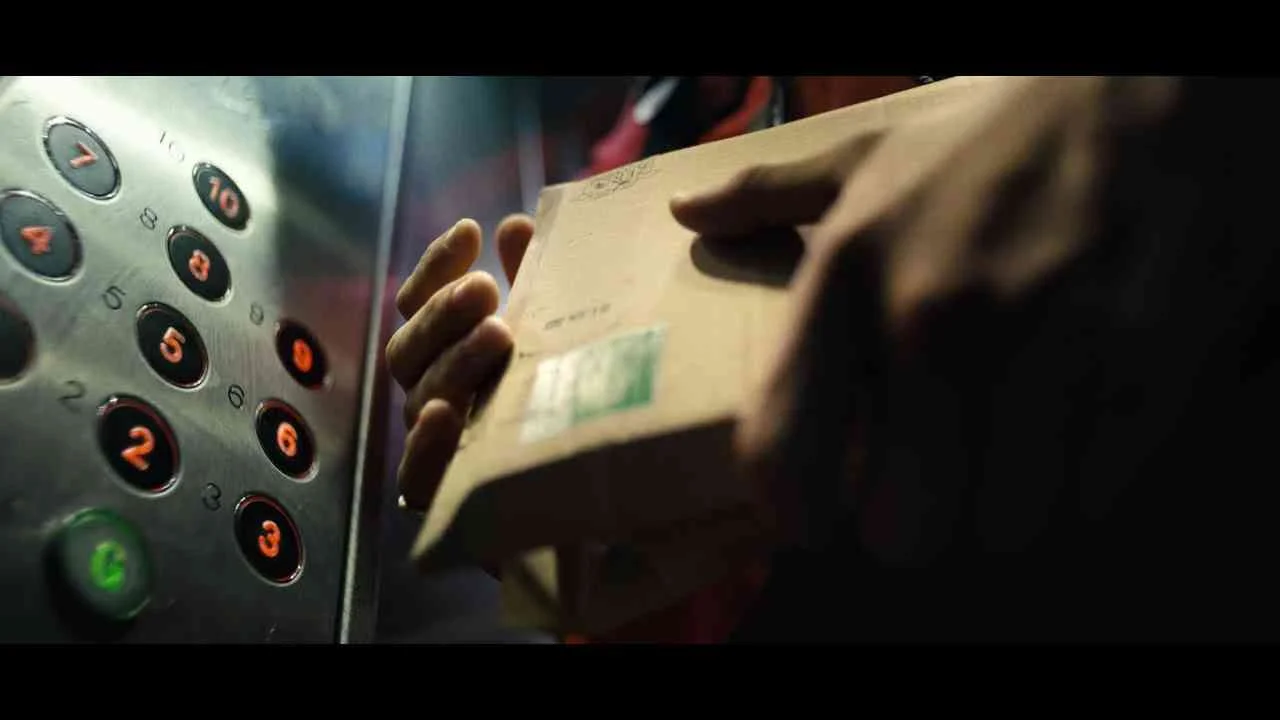
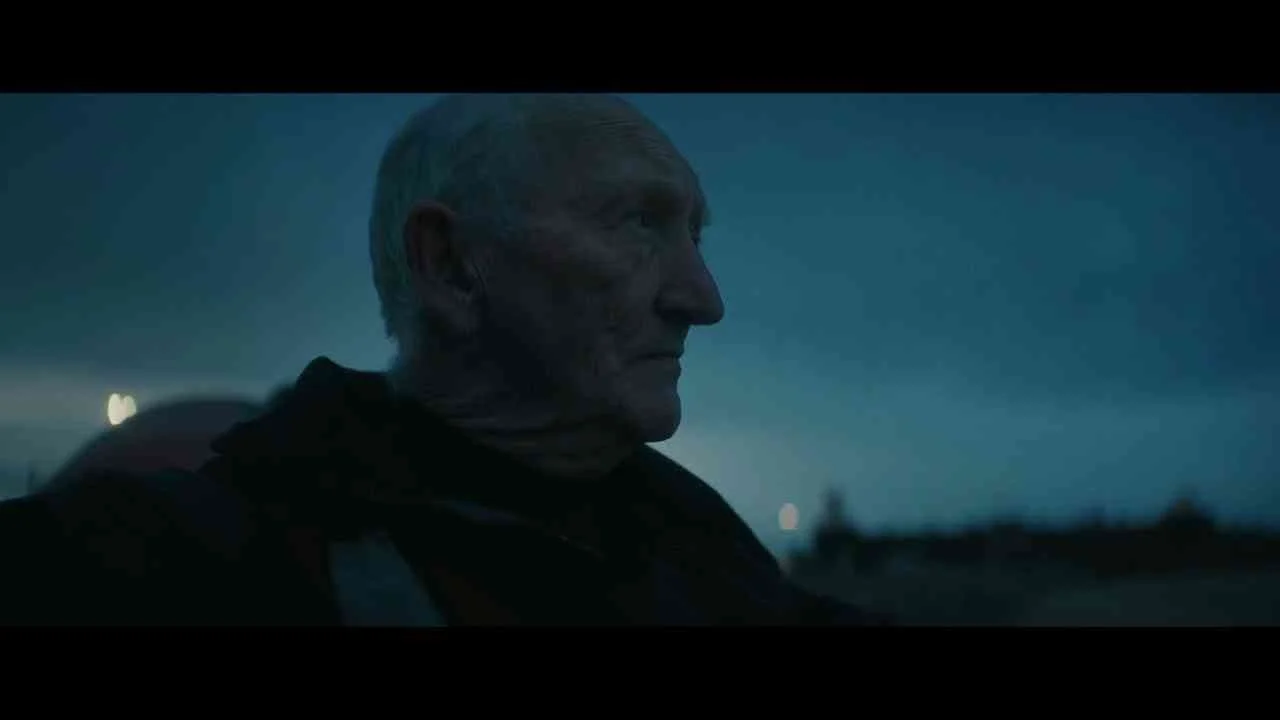
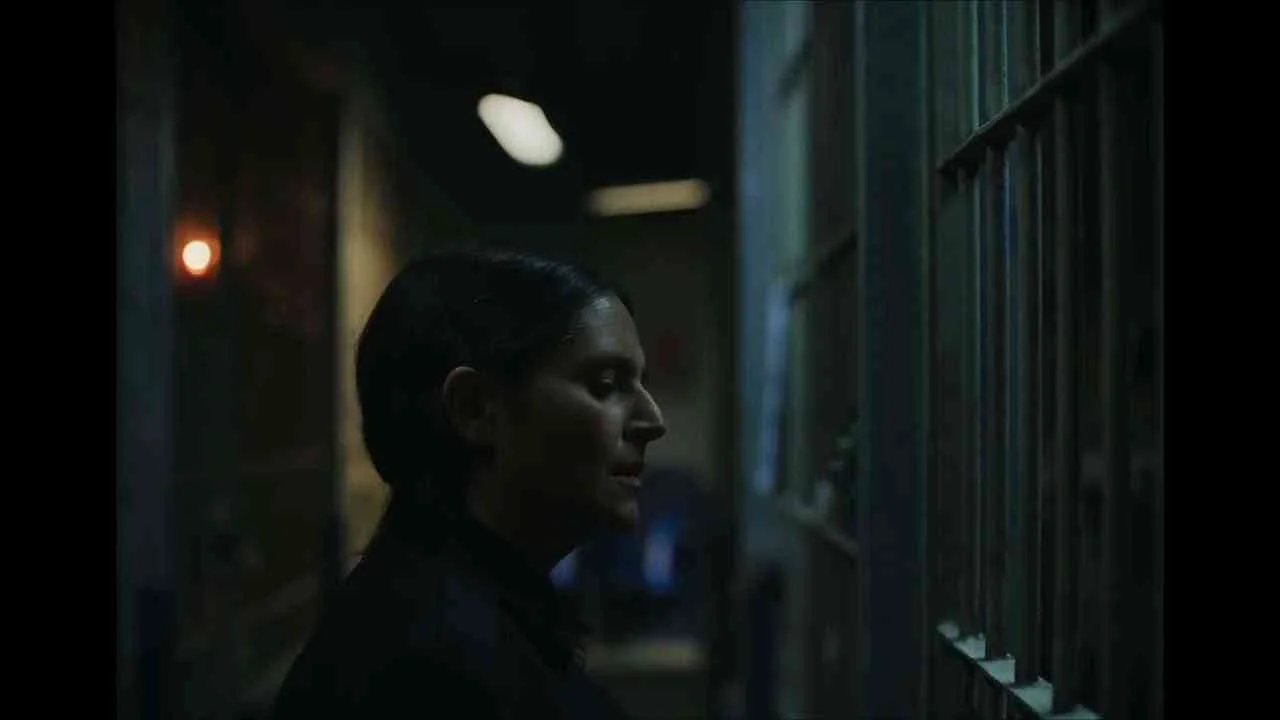
In November 2024, Women’s Aid, in collaboration with creative agency House 337, launched the impactful campaign 'The Ignored Emergency' across the United Kingdom to shine a critical spotlight on the pervasive and deadly issue of domestic abuse. This film-led initiative poignantly reimagines the familiar style of traditional safety films and public service announcements to engage audiences with a sense of comfort and recognition before revealing the harsh reality that domestic abuse is an urgent public emergency often overlooked. Central to the campaign are two emotionally powerful films, Fire Safety and Car Safety, directed by award-winning filmmaker Emma Branderhorst, which begin with conventional emergency scenarios before unfolding into narratives of domestic violence. This creative choice underscores the hidden and constant nature of domestic abuse threats, compelling the public to rethink its severity. The films also educate viewers on essential safety measures, such as the "silent solution," a discreet way for victims to seek police assistance by dialing 999 and pressing 55 without speaking. Sarah Hill, Chair of Women’s Aid, highlights the significant financial barriers women face when escaping abusive relationships—costs that can exceed £50,000—and stresses the urgent need for an estimated £516 million to ensure access to specialized services for all affected women and children. Launching on November 12, the campaign employs a multi-channel strategy encompassing online platforms, social media, radio, press, digital out-of-home advertising via key partners Clear Channel and Ocean Outdoor, and influencer collaborations. Campaign messages appear prominently in major cities including London, Birmingham, Nottingham, Glasgow, Dundee, Southampton, and Manchester, calling on individuals and communities to actively support Women’s Aid through donations. Lucy Freedman, Chief Growth Officer at House 337, emphasizes that without public contributions, Women’s Aid cannot maintain its vital emergency response role. This powerful campaign challenges society to recognize domestic abuse as a national emergency requiring urgent attention and action to save lives.
Credits
Client
Women's Aid
Agency
House 337
Head Of Media
Teresa Parker
Account Management
Katrina Kelly, Abbie Carr, Sophie Ward, Kat Thompson, Marianne Roberts, Siena Singh, Emma Baxter, Lulu Pearson, Phoebe Wightwick, Amy Brill, Doug McPherson, Kitt Smith, Hannah Black
Chief Growth Officer
Lucy Freedman
Chief Creative Officer
Josh Green
Creative Director
Chris Ringsell, Louise Canham, Holly Fallows, Charlotte Watmough, Indi Morland, Caitlin Chakraborty
Art Director
Marina Supernova
Strategic Planner
Roz Hurst, Kathryn Loosley, Abbey Gaunt
Producer
Laura Melville, Anna Hashmi, Tess Mitchell, Anastasia Liasi, Lola Cookman, Ciara Roche, Ollie Ireland
Crew
Chelsea Chapman, Michelle Sotheren, Will Buckley, Emma Dunsire, Felicity Gray, Miles Watson
Campaign Proposition
The Ignored Emergency campaign by Women’s Aid positions domestic abuse as a critical public safety issue that has been overlooked despite its deadly prevalence in the UK. By framing domestic abuse as a “national emergency,” the campaign conveys the urgent need for awareness, support, and funding to protect women and children at risk. It underscores the dire financial and systemic barriers survivors face, emphasizing that escaping abuse is often costly and complicated, and highlights the essential role of Women’s Aid as a frontline, life-saving service.
Strategically, the campaign leverages a familiar and trusted format—the traditional safety film and public service announcement—to create an initial sense of reassurance before revealing the hidden, ongoing crisis of domestic abuse. This creative contrast draws attention to the often invisible nature of abuse, reframing it alongside universally understood emergencies like fires and car accidents. The use of authoritative safety scenarios, directed by a socially conscious filmmaker, enhances credibility and emotional engagement while educating the public on practical emergency responses, such as the 999 silent solution. The multi-channel approach—including online, DOOH, radio, social media, influencer partnerships, and key UK city placements—broadens reach and targets a diverse audience likely to influence community awareness and support. The campaign’s insight that domestic abuse remains an “ignored emergency” challenges societal complacency and mobilizes the public to act, primarily by donating to sustain Women’s Aid’s specialized services. In doing so, it reframes domestic abuse not only as a personal trauma but as a public interest crisis demanding immediate attention and resource allocation.
Creative Device
FORMAT#12 PARODY OR BORROWED FORMAT — Uses or parodies pop culture formats like films, shows, or genres.
This campaign is a clear fit for "Parody or Borrowed Format" because it explicitly repurposes the well-known structure and style of traditional safety films and public service announcements, leading viewers to believe the content is about classic emergencies like fire or car accidents. By subverting these familiar genres, the campaign draws attention to domestic abuse as a "hidden" emergency, using the borrowed emergency format as a narrative device. The twist from expected to unexpected context is essential here, directly leveraging the borrowed format for impact rather than relying on traditional storytelling, testimonials, symbolism, or benefit demonstration.
ADVERTISING FORMATS EXPLAINED: https://www.clapboard.com/blog/branding-and-advertising/brand-strategy/12-advertising-creative-formats
Post Production
Bradley Morey, Leanne Pletersky
Director
Emma Branderhorst, Lesley Reddihough
Cinematographer
Myrthe Mosterman
Casting
Kharmel Cochrane Casting
Editor
Louise Robinson
Colour
Matt Turner
Music
Sam Robson & George Castle
Competitive Planks
Refuge – Market Positioning
Refuge positions itself as the UK’s leading specialist domestic abuse charity providing emergency accommodation, advocacy, and support services. Their strategic focus is on holistic survivor care, combining refuge housing with outreach and community-based programs, emphasizing safety and empowerment. Refuge also prioritizes policy advocacy to influence government action on domestic abuse, leveraging their frontline experience to drive systemic change.
National Domestic Abuse Helpline (run by Refuge) – Market Positioning
Operating as a critical 24/7 support service, the Helpline differentiates through immediate crisis intervention and confidential guidance. It strategically blends professional counseling with practical advice, serving as the first contact point for many survivors. The Helpline’s accessibility and responsiveness reinforce its role as an essential lifeline in the domestic abuse support ecosystem.
Rights of Women – Market Positioning
Rights of Women focuses on legal empowerment for survivors of domestic abuse, providing specialist advice, advocacy, and training on legal rights. Their market differentiation is rooted in offering expert guidance on family law, immigration, and criminal justice, helping survivors navigate complex legal frameworks and access protection, thus supporting long-term safety and autonomy.
Survivors UK – Market Positioning
Survivors UK uniquely serves male victims of domestic and sexual abuse, addressing a less visible demographic often overlooked in mainstream campaigns. Their approach combines tailored counseling, peer support, and awareness initiatives to destigmatize male victimhood, positioning themselves as the primary resource for men seeking help in a traditionally female-focused sector.
SafeLives – Market Positioning
SafeLives distinguishes itself through a data-driven, research-led approach aimed at improving domestic abuse responses across services and sectors. They specialize in training professionals and developing risk assessment tools, working to enhance multi-agency collaboration and systemic effectiveness. Their strategic angle is to transform institutional responses to create safer outcomes for survivors at scale.
If you are a deep practitioner of the media capabilities of the 2026 world, then you would be aware that a brand needs about 20,000 unique pieces of content per year for different demographics, psychographics etc.
That's 19,900 more than what most big brands actually put out. And if you understand how the Googles, Facebooks, Snapchats and Instagrams work, then you would know that your creative teams will have to deliver a lot more video centric content to fill the pipes of media distribution than they currently are doing.
That's why we've created Clapboard - to produce quality video content at a low enough cost. Quality being contextual to the social media platform, not necessarily high production, thus delivering the best bang for your every buck
JOIN THE NEWSLETTER.
Content Production insights, videos, books, and freebies, delivered to your inbox weekly
Creative Collaboration Platform: The Backbone of Modern Creative WorkWhat is a creative collaboration platform?Clapboard defines a creative collaboration platform as the operational core for today’s distributed creative teams. This is not a collection of digital collaboration tools stitched together; Clapboard’s system
Understanding the Creative Production MarketplaceWhat is a Creative Production Marketplace?Clapboard defines a creative production marketplace as a structured ecosystem where brands, agencies, and production talent converge to execute video, advertising, and branded content at scale. Unlike the legacy agency or freelanREAD FULL ARTICLE
The Urgent Need for a Creative Production Operating SystemWhy Traditional Creative Production Models Break DownClapboard sees the creative production landscape shifting under pressure. Content velocity is no longer a buzzword—it’s a mandate. Modern advertising demands relentless output across dozens of channels, each wREAD FULL ARTICLE