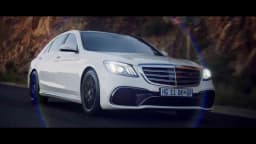
The campaign for Volkswagen’s Golf 7, titled “Stalker, Funeral, PC,” leverages the brand’s commitment to safety innovation, specifically highlighting the Brake Assist feature. By framing the message around impulsive or inattentive driving behavior—“Some people just can’t stop themselves”—the campaign underscores the car’s ability to intervene and help prevent accidents. This positions Volkswagen not just as a maker of vehicles but as a protector of drivers, emphasizing reliability and advanced safety technology as key brand values.
Strategically, the campaign targets South African drivers who may be vulnerable to sudden driving errors or distractions. The creative approach uses relatable everyday scenarios where drivers might fail to stop in time, reinforcing common human fallibility. By doing so, it taps into a universal insight about driver behavior, establishing relevance and urgency. The use of audio as the medium and a narrative style helps to create an intimate connection, encouraging listeners to reflect on their own driving habits. Coupled with the timely release and consistent messaging across three media assets, the campaign aims to raise awareness of the Golf 7’s safety advantage in a competitive automotive market. The moderate engagement on digital platforms suggests a focused but niche resonance, matching the pragmatic and safety-conscious positioning of the brand at that time.
FORMAT#2 SHOW THE PROBLEM — Highlights a relatable problem, then shows the product as the solution.
This Volkswagen campaign hinges on the line “Some people just can't stop themselves,” with titles like ‘Stalker’ and ‘Funeral’ alluding to situations where a character literally or metaphorically cannot “stop.” The creative sets up a relatable (and exaggerated) problem — people not being able to stop their actions or, in driving terms, their cars — and positions the new Golf 7’s Brake Assist as the solution. The campaign frames the product’s feature as a direct response to the problem, matching the clear “problem–solution” creative arc, reinforced by the explicit narrative cues in the introduction and metadata.
ADVERTISING FORMATS EXPLAINED: https://www.clapboard.com/blog/branding-and-advertising/brand-strategy/12-advertising-creative-formats
1. Toyota – Market Positioning
Toyota positions itself as a reliable, durable, and fuel-efficient brand, known for its strong resale value and extensive dealer network. It emphasizes affordability and innovation, particularly in hybrid technology, appealing to practical consumers seeking quality and longevity.
2. Ford – Market Positioning
Ford markets itself as a versatile and performance-driven brand, combining ruggedness with modern technology. It targets customers looking for robust vehicles, especially in SUVs and pickups, promoting American heritage with a focus on driving experience and utility.
3. Hyundai – Market Positioning
Hyundai differentiates through affordability merged with stylish design and advanced features. It offers comprehensive warranties and value-for-money propositions, aiming to attract budget-conscious buyers seeking modern technology and reliability without compromising on aesthetics.
4. BMW – Market Positioning
BMW positions itself as a premium brand focused on driving dynamics, luxury, and cutting-edge technology. It appeals to performance enthusiasts and affluent buyers looking for sporty yet sophisticated cars, blending innovation with status.
5. Mercedes-Benz – Market Positioning
Mercedes-Benz emphasizes luxury, safety, and innovation, targeting high-income consumers who prioritize comfort, prestige, and the latest automotive advancements. The brand prides itself on timeless design and engineering excellence in the premium segment.
Q: What is Stalker, Funeral, PC about?
A: Stalker, Funeral, PC is a 2017 audio campaign created by Ogilvy for Volkswagen and launched in South Africa. The campaign centers on the Golf 7’s Brake Assist feature, using the tagline Some people just can't stop themselves to highlight the dangers of impulsive or inattentive driving. Through three radio spots—Stalker, Funeral, and PC—the work dramatizes everyday scenarios where drivers may fail to stop in time, positioning Volkswagen’s technology as a safeguard. The campaign’s creative approach leverages relatable storytelling to reinforce the brand’s commitment to safety and innovation in the automotive category.
Q: What creative device does Stalker, Funeral, PC use?
A: Stalker, Funeral, PC employs the Show the Problem format, as classified by Clapboard’s 12-format taxonomy. This creative device highlights a relatable problem—in this case, drivers who can’t stop themselves in critical moments—and then presents the product, Volkswagen’s Brake Assist, as the direct solution. The campaign’s narrative structure sets up exaggerated yet familiar situations that listeners can identify with, making the safety feature’s benefit tangible and immediate. By explicitly framing the issue and offering a technological fix, the campaign delivers a clear, memorable message that aligns with the Show the Problem format.
Q: What is the campaign proposition for Stalker, Funeral, PC?
A: The campaign proposition for Stalker, Funeral, PC positions Volkswagen as a leader in automotive safety innovation, specifically through the Golf 7’s Brake Assist feature. By addressing the reality that drivers can be impulsive or distracted, the campaign targets South African motorists who may be vulnerable to sudden driving errors. The message underscores Volkswagen’s role not just as a car manufacturer but as a protector of drivers, emphasizing reliability and advanced technology. This strategic positioning is designed to resonate with safety-conscious consumers in a competitive market, reinforcing the brand’s values of trust and technological advancement.
Q: How does Stalker, Funeral, PC rank in Clapboard's archive?
A: Stalker, Funeral, PC holds a Clapboard Campaign Score of 63/100. This score reflects the campaign’s creative ambition, execution quality, and cultural relevance as evaluated by Clapboard’s global ad archive.
Q: Who are the competitors in Volkswagen's category?
A: In the automotive category, Volkswagen competes with brands such as Toyota, which is known for reliability, durability, and fuel efficiency, appealing to practical consumers; Ford, which emphasizes versatility, performance, and a rugged driving experience; Hyundai, which attracts budget-conscious buyers with affordability, modern design, and advanced features; BMW, which targets performance enthusiasts and affluent buyers with a focus on luxury and driving dynamics; and Mercedes-Benz, which positions itself as a leader in luxury, safety, and innovation for high-income consumers seeking comfort and prestige.



.webp)