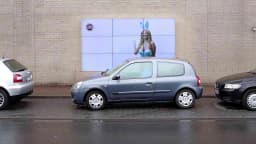
The 2013 Volkswagen campaign in The Netherlands leverages a simple yet effective narrative centered around a dog's positive reaction to the brand's automobiles. By anthropomorphizing the dog's impression, the campaign aims to communicate Volkswagen’s reliability, appeal, and emotional resonance in a relatable and memorable way. This approach subtly underscores the brand’s promise of quality and the genuine appeal of its vehicles without relying on technical specifications or traditional automotive features.
Strategically, the campaign targets a broad audience by employing an emotional and approachable creative angle rather than direct product-focused messaging. The use of a dog—a universally likable and trusted figure—functions as an accessible metaphor for consumer satisfaction and approval, tapping into viewers’ emotional connections with pets. This choice reflects an insight that emotional engagement, rather than purely rational appeal, can create stronger brand affinity, particularly in a competitive automotive market. The campaign’s brevity and the straightforward nature of the film medium contribute to its shareability and memorability, as reflected in significant viewer interaction metrics on YouTube. Overall, the campaign connects with viewers by blending emotional storytelling with subtle brand endorsement, positioning Volkswagen as a car brand that earns approval effortlessly, even from unexpected critics.
FORMAT#9 SYMBOLIZE THE BENEFIT — Uses symbols or exaggerated visuals to represent the product’s positive impact.
This campaign centers on a dog being "quite impressed" by Volkswagen, as highlighted in both the YouTube title and description. Given the absence of a classic story arc, testimonial, celebrity, user-aspiration imagery, parody, or direct demonstration/comparison, the creative hinges on using the dog’s reaction as a symbolic device. The dog's response serves as an exaggerated symbol for how impressive the Volkswagen is—even to animals—conveying the car's appeal through non-human admiration. This aligns with the SYMBOLIZE THE BENEFIT format, employing an indirect, memorable visual metaphor rather than a literal explanation, which is a hallmark of this technique.
ADVERTISING FORMATS EXPLAINED: https://www.clapboard.com/blog/branding-and-advertising/brand-strategy/12-advertising-creative-formats
1. Toyota – Positioned as a reliable, fuel-efficient, and environmentally conscious brand, Toyota emphasizes hybrid technology and durable vehicles that cater to practical and eco-friendly consumers worldwide.
2. Ford – Known for its robust build and American heritage, Ford focuses on versatile vehicle line-ups including trucks and SUVs, combining performance, affordability, and innovation to appeal to a broad customer base.
3. BMW – BMW markets itself as a premium, performance-oriented brand delivering luxury driving experiences through sporty design, advanced engineering, and cutting-edge technology targeting affluent and status-conscious buyers.
4. Renault – Renault focuses on affordable, stylish, and compact vehicles with strong innovation in electric mobility, aiming to attract urban drivers interested in practicality combined with eco-friendly technology.
5. Opel – Opel positions itself as a value-driven European brand offering reliable and practical cars with contemporary design, emphasizing efficiency and driver comfort at competitive price points.
Q: What is Dog about?
A: Dog is a 2013 professional campaign created by DDB for Volkswagen in The Netherlands, targeting the automotive market with a film-based advertisement. The central creative idea revolves around a dog's enthusiastic reaction to a Volkswagen vehicle, using this relatable and humorous narrative to highlight the brand's appeal. Delivered in English, the campaign leverages the dog's perspective to emotionally engage viewers and reinforce Volkswagen's reputation for reliability and charm. With over 840,000 views and significant online engagement, Dog stands out for its memorable storytelling and broad audience resonance.
Q: What creative device does Dog use?
A: Dog employs the Symbolize the Benefit technique, classified as FORMAT#9 in Clapboard's 12-format taxonomy. Instead of direct demonstration or testimonial, the campaign uses the dog's exaggerated admiration as a symbolic device to represent the positive impact of owning a Volkswagen. This indirect, visually memorable metaphor communicates the car’s appeal in a way that is both accessible and emotionally engaging, aligning with Clapboard’s criteria for creative formats that use symbols or exaggerated visuals to convey product benefits.
Q: What is the campaign proposition for Dog?
A: The strategic positioning of Dog centers on Volkswagen’s reliability and emotional resonance, communicated through the anthropomorphized reaction of a dog. By choosing a universally likable figure, the campaign appeals to a broad audience, emphasizing emotional engagement over technical specifications. This approach aims to foster brand affinity in a competitive automotive market by creating a memorable, relatable narrative that subtly underscores Volkswagen’s promise of quality and genuine appeal, motivating potential customers to consider the brand as their preferred automotive choice.
Q: How does Dog rank in Clapboard's archive?
A: Dog holds a Clapboard Campaign Score of 68/100 in Clapboard's global ad archive. This score reflects the campaign’s creative ambition, execution quality, and cultural relevance as assessed by Clapboard’s curatorial standards.
Q: Who are the competitors in Volkswagen's category?
A: In the automotive sector, Volkswagen competes with brands such as Toyota, which is recognized for its reliability, fuel efficiency, and leadership in hybrid technology; Ford, known for its robust vehicles and versatile line-up that blends performance with affordability; BMW, which positions itself as a premium brand focused on luxury and driving performance; Renault, appealing to urban drivers with affordable, stylish, and innovative electric vehicles; and Opel, which emphasizes value, efficiency, and contemporary design for European consumers.


 ARCHIVE
.webp)