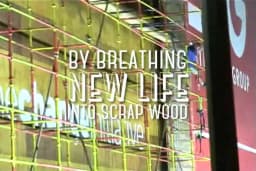
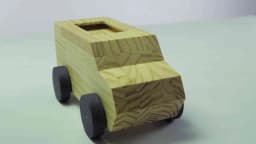
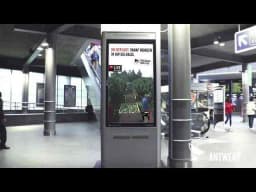
“The Empty Shop” campaign by VillaLobos, executed by Loducca in Brazil in 2013, presents a reflective brand proposition centered on community engagement and social responsibility. By reversing the typical retail transaction—inviting consumers to bring clothing donations to the store rather than purchasing items—the campaign positions VillaLobos as a facilitator of positive social impact, emphasizing values of generosity and collective support during the winter season. This approach subtly reframes the brand’s role from a traditional retailer to a socially conscious community partner, reinforcing its relevance beyond mere commercial transactions.
Strategically, the campaign’s insight lies in leveraging the cultural and seasonal context of winter clothing needs, addressing both scarcity and the opportunity for communal solidarity. Rather than focusing on product promotion, the creative concept disrupts consumer expectations by showcasing an empty store, prompting curiosity and reflection. This narrative angle taps into the emotional resonance of giving and encourages active participation from the target audience, who are likely motivated by empathy and social responsibility. The ambient medium amplifies the message’s visibility and impact in a real-world setting, making the campaign experiential and memorable. By using this innovative donation collection method, the campaign effectively engages consumers at a behavioral level, fostering a sense of agency and contribution within the local community.
FORMAT#3 SYMBOLIZE THE PROBLEM — Uses symbols or analogies to represent the problem instead of showing it literally.
'The Empty Shop' campaign utilizes a powerful symbolic device: an actual retail shop left empty, inverting the standard shopping experience to highlight the issue of clothing scarcity among those in need. Rather than simply presenting images of people lacking winter clothes or listing donation statistics, the campaign embodies the problem through the striking visual metaphor of empty retail space—typically bursting with new merchandise, but now void. This tangible symbol invites consumers to contribute by filling the void themselves, making the problem of clothing shortage undeniable and participatory. No celebrity endorsement, storytelling arc, or testimonial is present; the ambient medium and core creative twist are anchored entirely around symbolizing the act of giving and the absence of necessities, fitting the "symbolize the problem" format directly as described in the advertising format guide linked.
1. C&A – Market Positioning
C&A positions itself as a fashion-forward yet affordable retailer, offering a wide range of clothing for all ages. It emphasizes sustainability initiatives and inclusivity, appealing to environmentally conscious consumers while maintaining a strong presence in fast-fashion retail across Brazil.
2. Renner – Market Positioning
Renner focuses on combining style, quality, and competitive pricing, targeting middle-class consumers seeking trendy yet accessible apparel. Their strategy includes strong digital integration and customer loyalty programs, establishing themselves as a convenient and dependable fashion retailer.
3. Riachuelo – Market Positioning
Riachuelo leverages its large nationwide footprint to provide diverse fashion options with an emphasis on local culture and lifestyle. It differentiates through collaborations with Brazilian designers and a mix of private label and branded products catering to budget-conscious shoppers.
4. Zara – Market Positioning
Zara is positioned as a fast-fashion leader delivering the latest international fashion trends rapidly to the Brazilian market. Its strategic advantage lies in quick inventory turnover and a premium shopping experience, appealing to urban, trend-savvy consumers.
5. Marisa – Market Positioning
Marisa targets predominantly female consumers with affordable, stylish apparel and intimate wear. It differentiates itself by focusing on everyday wearability combined with frequent promotions, making it a preferred choice for value-driven women shopping for casual and work clothing.
Q: What is The Empty Shop about?
A: The Empty Shop is a 2013 campaign created by the agency Loducca for VillaLobos in Brazil, designed to reinvent the traditional winter clothing drive. Instead of shoppers taking items from the store, the campaign invited people to bring clothing donations to an empty retail space, reversing the usual shopping dynamic. This ambient campaign used the physical shop as a collection point, making the act of giving highly visible and participatory. The initiative aimed to foster community engagement and social responsibility, positioning VillaLobos as a facilitator of charitable action within the retail sector.
Q: What creative device does The Empty Shop use?
A: The Empty Shop employs the FORMAT#3 SYMBOLIZE THE PROBLEM technique, as classified by Clapboard's 12-format taxonomy. Rather than depicting clothing scarcity directly, the campaign uses the striking visual metaphor of an empty retail store—typically associated with abundance—to represent the absence of winter clothing for those in need. This symbolic approach invites the public to fill the void themselves, making the issue tangible and participatory. The campaign’s ambient execution integrates the message into everyday life, reinforcing the problem through a powerful, real-world analogy.
Q: What is the campaign proposition for The Empty Shop?
A: The campaign proposition for The Empty Shop centers on positioning VillaLobos as a socially responsible brand that champions community engagement. By reversing the traditional retail transaction and inviting consumers to donate clothing, VillaLobos reframes its role from a conventional retailer to a community partner facilitating positive social impact. This strategy targets consumers motivated by empathy and a sense of collective responsibility, especially during the winter season. The campaign’s approach underscores the brand’s commitment to social values, making the act of giving an integral part of the retail experience within the Brazilian market.
Q: How does The Empty Shop rank in Clapboard's archive?
A: The Empty Shop holds a Clapboard Campaign Score of 78/100 in Clapboard's global ad archive. This score reflects the campaign’s creative ambition, execution quality, and cultural relevance within the context of retail-driven charitable initiatives.
Q: Who are the competitors in VillaLobos's category?
A: In the Brazilian retail sector, VillaLobos competes with several major players. C&A is known for its fashion-forward, affordable offerings and sustainability focus, appealing to environmentally conscious shoppers. Renner targets middle-class consumers with a blend of style, quality, and digital integration, while Riachuelo leverages its national presence and collaborations with local designers to attract budget-minded customers. Zara delivers rapid international fashion trends and a premium shopping experience for urban consumers, and Marisa stands out by catering to women seeking affordable, stylish everyday and workwear through frequent promotions.


 ARCHIVE
.webp)