The Wedding - Oncosalud | Clapboard Ad Archive
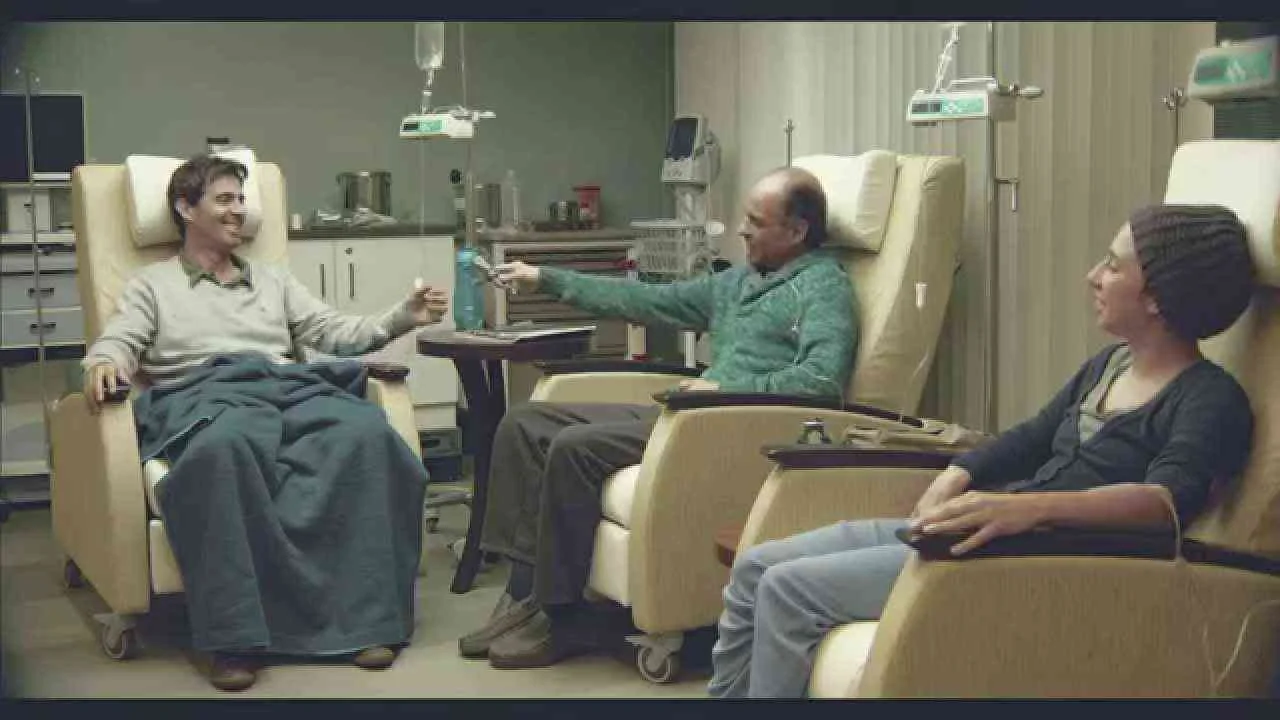
The campaign The Wedding, launched in 2015 by Oncosalud and conceived by DDB Peru, articulated a deeply felt narrative within the healthcare sector, using the emotionally resonant theme Tu lucha, mi lucha to assert its positioning as a compassionate ally in the fight against cancer. Centered on a wedding milestone and the parallel struggle with illness, the campaign underscores the human impact of health challenges and the critical role of solidarity, weaving Oncosalud’s cancer care offering directly into the emotional climax and hopeful resolution of its protagonists’ journey. By opting for the film medium, DDB capitalized on the power of audiovisually driven storytelling to achieve a strong, culturally relevant connection with Peruvian audiences, delivering vital health messaging with authenticity and sensitivity in the Spanish language. The creative device aligns squarely with what Clapboard’s taxonomy classifies as FORMAT#5—Exemplary Story, in which the brand’s product or service is intrinsic to the plot’s arc and outcome, rather than simply alluded to or external to the main conflict. Oncosalud’s presence as the unseen hand of support throughout the narrative elevates the brand from a clinical provider to a trustworthy community partner, reinforcing its mission while nurturing audience empathy, urgency and action around early cancer detection and care. The Wedding not only advanced sector dialogue by humanizing the journey of cancer patients but also positioned Oncosalud as a beacon of resilience amid adversity—an approach that demonstrates the marketing value of nuanced, story-led communications in healthcare. The campaign earns 62/100 in Clapboard’s global creative archive. For an industry often tethered to didactic communications, The Wedding shows how relaying the gravity and hope embedded in real-life milestones can carve a distinctive and enduring brand identity.






.webp)