- HOME
- FOR CLIENTS
- FOR FREELANCERS
- LOGIN
BLOG
New user? Create account
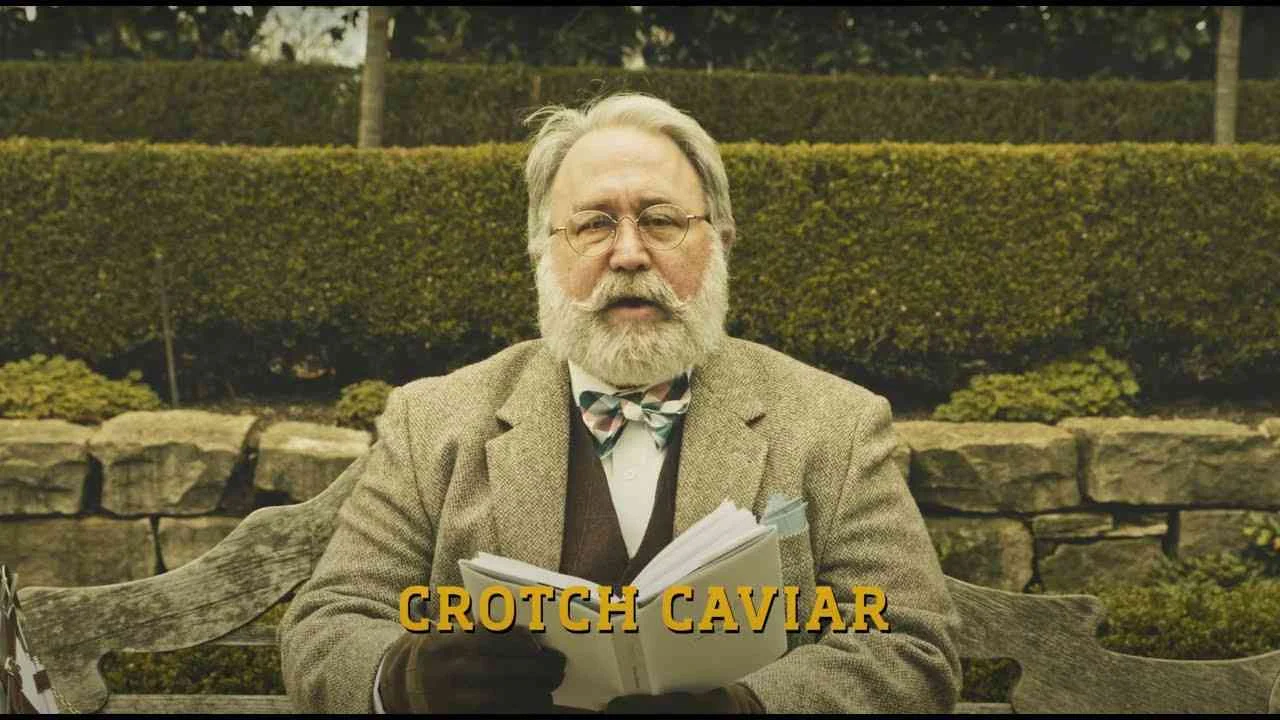
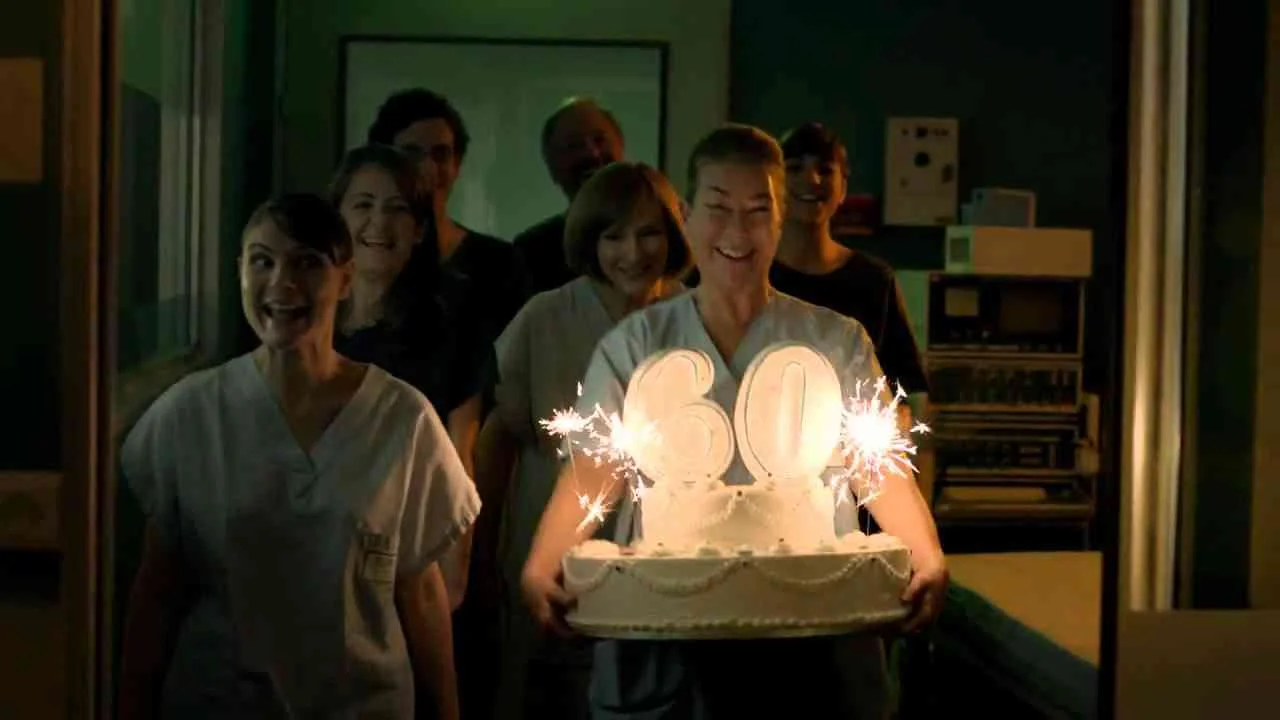
Band Aid’s 2012 campaign Nurse, Hospital Musical reimagines category conventions for healthcare advertising, embracing a cinematic and overtly satirical lens that draws from the pop culture tradition of hospital soaps reworked as musicals; the narrative follows a newly minted nurse whose shocking discovery about her dubious medical degree becomes the heart of a parodic tale, using exaggeration and wit to question the reliability of medical credentials and, by extension, to reaffirm the significance of authentic care. This approach embodies what Clapboard’s taxonomy classifies as FORMAT#12—Parody or Borrowed Format, leveraging familiar media tropes to both entertain and provoke commentary on the healthcare system’s complexities. The campaign stands out for its tightly woven story, high production values, and immersive musical direction, all deployed in service of strengthening Band Aid’s brand platform around trust and healthcare integrity. Through stylized scenes that blend melodrama and choreographed energy with sharp narrative beats, Nurse, Hospital Musical turns parody into a medium for social critique while seamlessly integrating Band Aid’s promise of reliability—eschewing didactic messaging in favor of engagement through irreverent humor and cultural referencing. The agency’s creative execution crafts an environment that feels both technicolor-bright and faintly subversive, inviting audiences to reflect on the boundaries between professional legitimacy and appearance. Band Aid positions itself as a guardian of genuine care amid a system ripe for scrutiny, resonating especially with younger, media-savvy viewers and healthcare-conscious consumers seeking brand authenticity. The film’s blend of music, performance, and deft genre-bending propelled its recognition at major industry award shows, securing a Silver Addy in Year 2013 and affirming its stature within the health market category. Clapboard rates this 63/100. For an industry too often satisfied with earnest messaging, Nurse, Hospital Musical signals the creative dividends that can flow when healthcare brands dare to step outside the usual emotional playbook and interrogate professional credibility in formats borrowed from pop culture.
The "Nurse, Hospital Musical" campaign by Band Aid leverages a narrative approach within the healthcare sector to dramatize the brand's core proposition: Band Aid products serve as reliable, trusted solutions in medical or health-related situations. By portraying a young nurse uncovering a shocking secret behind her medical degree, the campaign implicitly underscores the importance of genuine care, expertise, and trustworthy medical support—elements that Band Aid aligns with in its promise to deliver dependable first aid protection. Strategically, the campaign employs storytelling with a dramatic and slightly mysterious edge to engage viewers emotionally and intellectually. This creative angle goes beyond typical product demonstration, instead embedding the Band Aid brand within a compelling healthcare scenario that resonates with both medical professionals and laypeople concerned with authentic medical care. Targeted at a U.S. audience familiar with healthcare challenges, the campaign capitalizes on the tension between appearance and reality in medical qualifications, using this narrative to highlight the necessity of trustworthy medical resources. By choosing film as the medium and integrating cinematic elements such as scripted drama, professional production, and original music, the campaign aims to elevate the Band Aid brand from a simple consumer product to a symbol of credibility and reassurance within the health domain. The use of a young nurse protagonist further personalizes the message, positioning Band Aid as aligned with both emerging healthcare workers and consumers seeking reliable health solutions.
Client:
Band Aid
Director:
Will Kindrick
Producer:
Jeffrey Benavides
Cinematographer:
Chris Saul
Music:
Adam Deibert
Post Production:
Tony Hello, Tony Hello
Sound:
Ryan Knouff
Casting Director:
Brighton Hertford, Ellen Houlihan
Art Director:
Adirenne Garcia, Sharmila Ray, Sonja Johnson
Hair:
Jill Galsterer
Wardrobe:
Ashli Pingry
Crew:
Trina K Sandal, Joe Lujan, David Yeaman, Kyle Wright, Charlie Valencia, Aaron White
Launched in Egypt in November 2014, Axe's campaign The evolution of hooking up offers a fresh digital perspective within the health industry. Developed by the ad agency Digital Republic, this campaign leverages a single compelling media asset to engage a digitally savvy audience. By exploring contemporary social dynamics around personal connections and attraction, the campaign aligns Axe's brand identity with themes of confidence, appeal, and modern interaction rituals. The choice of a digital medium underscores a strategic emphasis on reaching consumers where they spend significant time, enhancing brand relevance in everyday digital environments. With nearly five thousand views and positive engagement reflected in likes, the campaign demonstrates effective resonance with its target market. As a thought-provoking and culturally attuned piece, it not only reinforces Axe’s position in personal care but also stimulates conversation around evolving social behaviors, ensuring the brand remains top of mind in conversations related to attractiveness and personal health. This campaign exemplifies how well-crafted digital content can merge brand messaging with societal themes to create meaningful connections and drive consumer interest.
Gillette’s Tag the Weather campaign, created with Saatchi & Saatchi Stockholm for the Nordic market in Year 2013, tackled the perennial conundrum facing personal care brands in colder climates: how to keep razors relevant when bone-chilling Swedish winters drive down grooming routines. With five months of the year marked by darkness and temperatures plummeting to -30°C, Procter & Gamble Nordic saw sales of Venus razors and blades falter and recognized that traditional media was no longer effective in reaching their core audience of Swedish women. Instead of shying away from these unwelcoming conditions, the campaign leveraged winter itself as the organizing principle of its communications strategy, calling on women to tag extreme weather moments on digital platforms and reframing the challenging climate as an opportunity for empowerment and connection. The heart of Tag the Weather lay in a crisp digital execution that elevated Venus as the essential grooming companion, regardless of season, shifting the narrative from avoidance to agency while establishing an authentic dialogue with women deeply familiar with the rhythm of Swedish winters. In campaign mechanics that align exactly with Clapboard’s FORMAT#2—Show the Problem taxonomy, the work begins with a scenario the target audience lives every day, then presents the product as the direct answer, eschewing overblown storytelling or unnecessary dramatization in favor of targeted, insight-led engagement. By making the local weather not a challenge to overcome but the centerpiece of a collective, participatory experience, Saatchi & Saatchi reconnected Venus with a disengaged audience, extended the conversation beyond the season’s usual lull, and drove commercial performance in a notoriously difficult quarter for the personal care category. The strategy was not about volume or viral reach but about resonance, authenticity, and proving the brand’s relevance under real-world conditions, a tactical inversion of what would typically sap marketing momentum in colder markets. Clapboard rates this 63/100. Tag the Weather signals to the industry that short-term sales declines caused by cultural or environmental cycles can be reversed when a campaign takes a market truth head-on and transforms it into a shareable source of brand strength.
Lactacyd’s Protect Yourself campaign, created by Grey and launched in The Netherlands in 2009, underscores the brand’s strategic ambition to claim leadership in the personal care market through powerful, symbolic storytelling rooted in health advocacy. The campaign’s film execution leans into what Clapboard’s taxonomy would classify as FORMAT#3—Symbolize the Problem, eschewing direct depictions or literal dramatizations of intimate health concerns in favor of visual analogies that represent vulnerability and the invisible need for everyday protection. In doing so, Grey sidesteps the pitfalls of embarrassment and clinical sterility often associated with feminine hygiene advertising, elevating the category narrative to one of empowerment and commonsense self-care. Lactacyd’s positioning as a trusted health ally is articulated through clear, accessible messaging that delivers both an emotional and rational case for daily protection—a move that reinforces the brand’s relevance while expanding its resonance far beyond any single demographic. By deploying television as its primary channel in 2009, the campaign secured broad reach within a culturally attuned Dutch audience, a fact reflected in the film’s performance, surpassing the 100,000-view benchmark necessary for a genuinely impactful dialogue within the health industry’s cluttered airwaves. The clear and focused creative treatment aligns with the brand’s established equity, inviting consumers into a conversation about proactive self-care without resorting to shame or explicit clinical detail—a deft acknowledgement of the sensitivities inherent to the market category. Lactacyd thus harnesses the strengths of both product and channel, transforming a behavioral insight about protection into a mass-audience imperative that feels both practical and empowering. The campaign earns 63/100 in Clapboard’s global creative archive. Protect Yourself stands out to the industry not only for its restraint and clarity, but because it signals the enduring effectiveness of symbolic problem-framing in building long-term brand trust where intimacy and health intersect.
Axe’s 2010 Larissa Riquelme campaign in Paraguay exemplifies just how much cultural momentum can be generated by astutely merging celebrity, context, and brand DNA in the competitive tides of a global event. Amid the media blitz of the World Cup, Axe and agency McCann faced the classic challenger brand dilemma: capturing outsized attention with a pared-back budget. Their response was to tap into the fever pitch surrounding iconic Paraguayan model Larissa Riquelme—whose spontaneous and unmistakably bold support for the national team had already propelled her to international stardom—and make her the center of what became the region’s most talked-about ambient execution. The premise was disarmingly simple: fuse two magnetic touchpoints in the male psyche, soccer and women, into a single “sexiest billboard” installation that functioned as spectacle and press magnet simultaneously. With Riquelme as both muse and media lightning rod, the campaign sidestepped the resource-heavy vehicles dominating the World Cup cycle and instead weaponized earned media, leveraging her fame to ensure the Axe brand orbited every conversation in which sport, celebrity fixation, and Paraguayan national pride converged. There was no narrative arc, no forced exposition—just the cooling confidence of an idea that knew where and how to intersect desire, attention, and commerce. The approach sits squarely in what Clapboard’s taxonomy designates as FORMAT#8—Ongoing Characters or Celebrities—recognizing Axe’s strategic use of a singular, high-profile personality as the recurring touchstone for its message. True to its DNA as a personal care provocateur, Axe winked at established codes of masculinity while creating a moment that transcended advertising to dominate social and mainstream channels alike. Unlike campaigns that depend on lavish production or elaborate storytelling, this was ambient marketing stripped to its purest form—shock, access, and instant recall—delivering millions in earned media and indelible brand lift on a fraction of a standard major-event spend. Clapboard rates this 60/100. Axe Larissa Riquelme matters because it demonstrates how agile, format-savvy creativity can still break through even in the most oversaturated cultural moments, as long as the insight is sharp and the execution unapologetically bold.
Sensitive Armpits, Rexona’s 2011 film campaign developed by Ponce for the Argentinian market, delivers a pointed message in the personal care category by zeroing in on the under-recognized yet widespread discomfort of sensitive armpits and offering a direct, tangible solution. The creative strategy is anchored in what Clapboard’s 12-format taxonomy identifies as FORMAT#2—Show the Problem, a device that first spotlights a relevant consumer pain point before positioning Rexona Sensitive as the unequivocal remedy. By focusing on everyday skin vulnerability, particularly in the context of underarm sensitivity, the campaign addresses a genuine barrier to deodorant use for many consumers, distinguishing itself within the health and hygiene landscape where efficacy can be overshadowed by bolder claims or celebrity-driven imagery. Ponce’s approach is notably utilitarian and empathetic—eschewing embellishment for straightforward storytelling that both acknowledges the consumer’s discomfort and legitimizes it as a universal concern, which in turn positions the brand as an ally invested not just in odour and sweat protection but also the subtleties of skin health. Delivered in Portuguese, the spot employs crisp, minimal visuals and a logical structure to dramatize the discomfort associated with routine product use, then pivots decisively to Rexona’s gentle, clinically-oriented solution, reinforcing trust by aligning with consumer priorities of safety and comfort. The narrative economy translates into effective communication with zero superfluous imagery or exaggerated drama, allowing the product proposition to remain central and credible. In a market saturated with performance-driven innovation claims, Sensitive Armpits stands out for its single-minded relevance and message clarity, firmly associating Rexona with skincare expertise rather than just efficacy alone. This focus builds not only product awareness but also the emotional territory of reassurance, deepening brand loyalty among a demographic that may feel underserved by more generic offerings. The campaign earns 60/100 in Clapboard’s global creative archive. Sensitive Armpits signals to the industry that nuanced consumer needs—particularly those around skin comfort—are fertile ground for building brand trust in personal care, provided brands resist embellishment in favour of targeted and authentically solution-driven communication.
Evan Longoria's Crazy Bare Hand Catch marked a defining moment in Gillette's ongoing commitment to embodying performance and confidence in the personal care category, leveraging the cultural cachet of Major League Baseball and the star power of Longoria himself through a digital campaign crafted by BBDO in the United States in 2011. With the razor-sharp premise of a Tampa Bay Rays athlete intercepting a baseball with split-second timing to protect a reporter, the campaign radiates the brand's long-held association with precision, athleticism, and readiness—qualities that seamlessly map onto the health and grooming space Gillette dominates. By focusing on the Young Guns series, Gillette continues its strategic alignment with elite athletes, using authentic, unscripted feats rather than overt product demonstration to transfer the credibility of real-world skill to the brand promise of reliable performance. The narrative's tension and sense of spectacle—rooted entirely in Longoria's almost superhuman reflex—elevate the spot from typical celebrity endorsement to a moment of viral intrigue, resulting in a digital phenomenon that captivated over 11 million viewers and empowered the brand with a groundswell of social engagement. There is no explicit product tutorial or direct problem-solution framing; instead, the creative relies on the evocative power of character and real-life drama, placing it squarely in what Clapboard’s taxonomy classifies as FORMAT#8—Ongoing Characters or Celebrities, where celebrity familiarity and moment-driven storytelling drive brand recall and emotional resonance. Through this lens, the campaign excels at blurring the boundary between sports entertainment and personal care marketing, inviting audiences to see Gillette not only as a household staple but as a catalyst for assurance and split-second readiness in daily life. The digital-led strategy is both lean and potent, capitalizing on a singular event’s virality while amplifying Gillette’s recognizable message: that true confidence and peak performance are inseparable, whether on the diamond or in front of the bathroom mirror. The campaign earns 79/100 in Clapboard’s global creative archive. This campaign matters because it reaffirms the value of aligning brands with genuine athletic achievement, signaling to the health and grooming industry that authentic moments can catalyze both mass engagement and lasting equity.
Lifebuoy’s Bacteriads campaign, created by The Electric Factory in Uruguay for the personal care market in Year 2016, redefined outdoor advertising by manifesting hygiene concerns at street-level scale, literally making bacteria visible where it’s most often ignored. With a single striking billboard asset grown from live bacteria swabbed from everyday objects and public places—rather than relying on microscopy, illustration, or metaphor—the campaign positioned Lifebuoy’s hygiene message at the center of a public, tactile demonstration of microbial danger. This approach resides squarely in what Clapboard’s taxonomy defines as FORMAT#1—Demonstration, delivering a proof of the product’s relevance by showing, in real time and in a physical medium, the very problem Lifebuoy’s antibacterial soaps are engineered to address. By bypassing the tropes of narrative-driven storytelling and instead harnessing a living, evolving biological medium, The Electric Factory found a way to collapse the distance between communication and proof, generating a kind of biological infomercial in the street. The campaign’s context—bridging the residential, garden, and pharmaceutical categories—helped to amplify its message across both private and public frameworks of health, expanding Lifebuoy’s relevance from kitchens and bathrooms to the wider, often-overlooked microbiome of shared environments. Set against the backdrop of a growing regional conversation on resistant bacteria and personal sanitation, Bacteriads capitalized on the audience’s curiosity and latent anxiety, confronting passersby with an invitation to question their own handwashing habits and hygiene standards. The creative device of a real-bacteria poster created not only intrigue but a direct sensory challenge: look closely, see the colonies, and recognize the invisible peril such germs represent on your daily commute or shopping trip. Eschewing the abstract charts and CGI common to category peers, the work allowed Lifebuoy to claim the higher ground of scientific authenticity—if you can see the bacteria before you, the brand’s antimicrobial guarantee is not a mere promise but a clearly defined remedy. Clapboard rates this campaign 79/100. For a category that can often feel formulaic or reliant on clinical clichés, Bacteriads proves that experiential demonstration using real science can jolt audiences out of apathy and reframe public health messages with immediacy and credibility.
Daydreamers sees Tens and LUNA NEGRA bring fresh energy to the personal accessories category, delivering a visually arresting SS17 film campaign that explicitly confronts the difference between digital detachment and human warmth using a split shooting approach — half digital and half classic 16mm film — to powerful effect. Set against Tulum’s vivid landscapes, the film doesn’t just showcase the sunglasses as an accessory but deploys bold, metaphorical cinematography to symbolize the emotional transformation promised by the brand: a world rendered cold and desaturated without Tens, shifting to a sun-drenched sensory experience when viewed through their lenses. Rather than relying on testimonials or standard lifestyle tropes, the campaign leans into what Clapboard’s taxonomy would classify as FORMAT#9—Symbolize the Benefit, using exaggerated visual contrasts as a direct analog for the brand’s central benefit: seeing everyday life in richer color and higher fidelity, both figuratively and literally. Through carefully calibrated narration, the film positions Tens as an antidote to the digital malaise of performative living, encouraging a mindset shift toward genuine, offline moments and a more optimistic embrace of the present. By launching the collection exclusively on Kickstarter, Tens further positions itself in direct dialogue with an audience that craves both access and authenticity, bypassing traditional retail for genuine engagement and early adopter validation. With the campaign’s focus on experiential storytelling over explicit product demonstration, Daydreamers clears space for nuanced emotional resonance, cementing Tens as a participant in — not just a spectator of — modern cultural conversations around digital fatigue and the quest for connection. The campaign earns 71/100 in Clapboard's global creative archive. In a market saturated with surface-level lifestyle branding, Daydreamers signals the renewed power of metaphor and tangible craft in expressing a personal accessories brand’s promise.
Dove’s Live Life in Full Colour campaign, launched in the United Kingdom in 2015 by Hey Human, marked a pivotal point in the brand’s ongoing effort to redefine personal care communications by making the product actively enable the consumer’s self-expression. Created to spotlight Dove Invisible Dry’s unique claim—tested to leave no marks on 100 colours of clothing—this digital-first initiative used an exemplary story format squarely aligned with what Clapboard’s taxonomy designates as FORMAT#5—Exemplary Story, a device where the product is not a passive attribute but the enabler driving narrative resolution. Set within the broader personal care and health landscape, the campaign tackled a universal anxiety among women: the constraining risk of deodorant stains that stifle the willingness to wear bold, colourful clothes, a detail deeply rooted in both product benefit and fundamental cultural insight. Hey Human’s strategic execution centered around the human truth that confidence, identity, and the freedom to wear vibrant hues are intrinsically linked, yet not accessible for all women due to such everyday barriers. By identifying four women who had felt unable to express themselves fully through dress, then gifting them a transformative occasion where they were free to choose from a palette of 100 colours without worry, the campaign built compelling personal narratives that fused emotional resonance with persuasive evidence of product efficacy. The #100Colours social activation amplified this message, extending reach and fostering an inclusive conversation about real women, real concerns, and real solutions—united under Dove’s banner of everyday empowerment. The single digital media asset attracted over half a million views, evidence of strong resonance and shareability, and ultimately advanced Dove’s ongoing mission to empower women through practical, credible innovation. Throughout, the campaign’s storytelling confidently connected the distinctiveness of the women and the spectacular vibrancy of colour with the invisible reassurance of Dove Invisible Dry, positioning the brand as both an ally in daily routines and a culturally relevant voice in the personal care market. Clapboard rates this 63/100. The campaign signals how meaningful product stories, when grounded in an authentic consumer tension, can elevate utility into an experience of self-empowerment for brands operating in the everyday health and personal care space.
Gillette’s Shave Forth ft. Dr. Lektroluv & DJs from Mars campaign, conceived by Grey in 2015, stakes its ground in the personal care market by tapping into the intersection of music, lifestyle, and grooming in a direct bid for cultural relevance. Anchored in the collaboration with high-profile electronic music figures Dr. Lektroluv and DJs from Mars, this digital-first initiative repositions Gillette not just as a category leader in shaving but as a brand that understands and embodies the pulse of its target audience. The core creative engine of Shave Forth is the synergy between brand and celebrity presence, with the campaign’s structure aligning with what Clapboard’s taxonomy defines as FORMAT#8 — Ongoing Characters or Celebrities, using recognisable talent as its the primary driver for brand recall and aspiration. Rather than relying on traditional testimonial, problem-solution, or narrative storytelling devices, the campaign leverages the star power of DJs to inject energy, style, and a thriving nightlife aesthetic into Gillette’s health and grooming proposition. The execution manifests through a single, visually charged digital asset set to an electrifying soundtrack, designed to operate natively within digital and social environments where its intended younger, trend-oriented consumers are most active. By wrapping core grooming messages within the context of performance and music culture, the campaign sidesteps didactic health communication in favour of experiential resonance, building a values-based affinity and a strong halo of modernity around the Gillette brand. Grey’s creative approach reinforces Gillette’s expertise while restyling it as a badge for the self-assured, self-expressive consumer who identifies with the creative energy of EDM culture. The campaign earns 57/100 in Clapboard’s global creative archive. As celebrity-powered executions signal the evolving priorities of grooming brands in pursuit of new audiences, Shave Forth demonstrates that identity and cultural fluency increasingly define equity in the personal care space.

Rexona’s Football without wives campaign, launched in Russia in 2014 by agency RCG, delivers a sharp blend of cultural humor and strategic insight that leverages the nation’s passion for football to fortify the brand’s personal care promise. Rather than opt for a direct product demonstration or typical testimonial format, the campaign seizes on the distinctive tension that can exist in the social rituals of sport—specifically, the imagined liberation and camaraderie of men playing football unfettered by the presence of their wives. This scenario becomes a loaded cultural symbol, with the absence itself standing in as an analogy for Rexona’s protective, invisible efficacy against sweat and odor during high-pressure, high-social-stakes moments. By embodying what Clapboard’s 12-format taxonomy would classify as FORMAT#3—Symbolize the Problem, the campaign sidesteps literal depictions of discomfort, instead using the motif of football without wives to communicate a feeling of enviable ease, confidence, and control in environments where appearances and performance matter. Executed as a digital activation, the single media asset distills this conceit into a concise narrative that resonates directly with male football enthusiasts who recognize both the social theater of weekend sport and the private concerns of self-presentation. The humor is sly and distinctly local, reframing personal care in a masculine vernacular where product benefit is expressed through scenario rather than exposition. In the highly competitive personal care market, Football without wives signals a brand that understands how to inhabit relevant cultural touchpoints without resorting to clichés, positioning Rexona less as a hygiene solution and more as a silent, essential partner in men’s real-life rituals. Clapboard rates this 58/100. This campaign matters for the category because it affirms how symbolic storytelling—rooted in local context and universal tension—can elevate functional messaging into a sophisticated brand narrative.
Old Spice’s MANta Claus, Devastating Explosions campaign, launched in the United States in 2011 by Wieden + Kennedy, pushed the boundaries of digital brand engagement in the personal care and health market category with a concept explicitly built around the absurdist bravado that has become synonymous with the brand. Engineered for a digital audience and anchored on the custom microsite www.devastatingexplosions.com, the campaign leaned fully into the entertainment-first playbook, taking the already notorious MANta Claus character—part of Old Spice’s ongoing pantheon of hyperbolic male archetypes—and subjecting him to a premise as ridiculous as it was sticky: Devastating Explosions for Continents that Start with a Vowel. What followed was a comedic escalation rooted in the insight that spectacle, especially delivered with knowing, self-aware humor, commands attention and recall far more effectively than conventional personal care messaging. Consistent with what Clapboard’s taxonomy would classify as FORMAT#8—Ongoing Characters or Celebrities, the creative did not simply recycle a one-off persona but continued to invest in an outsized fictional archetype whose virtual antics generate familiarity and re-engagement over time. Eschewing functional demonstrations or overt category cues, the campaign instead weaponized high-impact visual gags and direct engagement with digital culture, delivering a piece of content that took the universal, primal appeal of explosions and filtered it through Old Spice’s signature absurdist tone. The work exemplified Wieden + Kennedy’s mastery of transmedia character play but harnessed the immediacy of a digitally native format, drawing users into an experiential platform that made the joke participatory and scalable on owned web properties. By amplifying the core tenets of the Old Spice creative platform—impudence, escalation, and surreal masculinity—this campaign resonated distinctly with an audience familiar with the increasing entertainment value expected of personal care advertising, while distinguishing Old Spice in a market flooded with functional claims and soft-spoken wellness tropes. The approach did more than create a fleeting digital splash; it reinforced the brand’s long-term commitment to humor-driven differentiation and the sustained utility of larger-than-life recurring characters as a business asset. Clapboard rates this 63/100. As an entry in the ongoing reinvention of character-driven campaigns for a fiercely contested category, this work signals the enduring equity that comes from brands willing to subvert category norms through entertainment and self-referential boldness.
Axe’s 2017 campaign Axe You, developed by CJ WORX for the Thai market, stakes a bold claim in the crowded personal care category by rejecting the long-standing codes of conformity that have defined masculine appeal and steering the conversation towards individuality and personal agency. Recognizing that young men in Thailand often face intense pressures to model themselves on peer expectations or media-mediated standards of what it means to be confident and masculine, the campaign is anchored by a resonant insight: embracing one’s unique identity is not just a personal act, but a cultural statement. Executed as a film, its narrative is presented entirely in Thai and leverages local idioms of self-expression, positioning Axe as an enabler of authenticity and self-belief rather than a gateway to externally validated coolness. The campaign’s tagline, delivered both visually and narratively, asserts personal confidence as the truest marker of attraction—an approach that sits squarely within Clapboard’s FORMAT#10—Associated User Imagery, where aspirational user identities, rather than traditional advertising testimonials or overt product demonstrations, take center stage. Axe You’s central film eschews the familiar tropes of problem–solution storytelling and instead offers a character-driven meditation on the experience of being different: men who defy convention not out of rebellion, but from a genuine commitment to their own sensibilities. These choices are contextualized within broader Thai cultural discussions about masculinity and individualism, letting the brand act as both a mirror and a catalyst for evolving social attitudes. The creative strategy—amplified by a sharply edited, high-energy visual language—struck a distinct chord with its audience, amassing over 21 million views and establishing a substantial level of cultural resonance and impact. Axe is repositioned as more than a grooming essential; it becomes a platform for men to define their own style and derive confidence not from mimicry but from conviction, an invitation to lead rather than follow. The campaign earns 63/100 in Clapboard’s global creative archive. Axe You matters for the industry because it demonstrates how lifestyle brands in markets with strong social conventions can champion individuality in ways that are culturally sensitive yet globally relevant.
Alive Is Offline from Cinthol, created by Creativeland Asia and launched in India in 2015, offers a memorable reset for the personal care category by reframing what it means to feel truly alive in an age of unrelenting digital immersion. Eschewing direct product demonstration, the campaign draws viewers into a cinematic invitation to disconnect from perpetual screen-bound scrolling and reconnect with the unmediated pulse of the offline world, using evocative contrasts between digital tropes and authentic sensory experiences—a bird’s tweet in the air replacing its digital namesake, or lived moments overtaking curated feeds. This symbolic juxtaposition serves as a compelling metaphor for the freshness and vitality embodied by the Cinthol brand, positioning it as an enabler of genuine presence and well-being rather than just another health and personal care staple. The creative approach sits squarely within what Clapboard’s taxonomy classifies as FORMAT#9—Symbolize the Benefit, leveraging powerful visual metaphors rather than functional claims to encode the product’s promise of invigoration. By deploying emotional narrative and contemporary anxieties around digital overload, the campaign strategically forges a deep resonance with millennial and Gen Z consumers facing screen fatigue, encouraging them to rediscover the joys of unfiltered, offline living while seamlessly associating Cinthol’s core value proposition with this social ideal. The use of the hashtag #AliveIsOffline mobilizes a movement rather than a mere media message, fostering both massive engagement—reflected in more than 2.9 million YouTube views—and a new narrative for health and wellness brands competing for relevance in the digital age. This is not simply a film about avoiding screens, but a call to reclaim the analog joys that make consumers feel renewed and present, implicitly suggesting that Cinthol is the daily catalyst for such moments. The agency’s creative lens repositions the brand as the very antithesis of digital fatigue, capturing both aspiration and authenticity against the backdrop of India’s fast-transforming media and lifestyle landscape. The campaign earns 73/100 in Clapboard’s global creative archive. In a category often defaulting to generic freshness cues or functional efficacy, Alive Is Offline stands out because it codifies the brand’s vitality promise through an imaginative symbolic canvas, signaling a broader shift to purpose-driven communications that assert lifestyle relevance amid digital saturation.
Mother’s Day at the palace sees The Body Shop and agency Mr. President reimagining the perennial holiday through the lens of Britain’s most iconic family, launching in the United Kingdom in Year: 2015 with a film that transforms the personal care brand’s gifting proposition into a witty, pop-culture moment. Immersing viewers in the apparent intimacy of Buckingham Palace, the campaign transports audiences behind closed doors with The Queen, Prince Charles, Prince William, Camilla, and the ever-mischievous Prince Harry, riffing on the contours of the royal home dynamic with comedic flair and warm-hearted chaos. The narrative beats are orchestrated around Prince Charles gamely attempting to assemble a regal Mother’s Day breakfast — a sequence punctuated by lighthearted interruptions from Camilla, mischief from the corgis, and Harry’s reliably disruptive antics — all culminating in a gift presentation that symbolically raises the bar for how the British public should honor their mothers. Steering deliberately into what Clapboard’s taxonomy identifies as FORMAT#12—Parody or Borrowed Format, the campaign leverages the mass recognition of royal family tropes and settings, subverting the cultural reverence of the monarchy with an affectionate, tongue-in-cheek touch that ensures universal relatability without losing the aspirational message. The film format enables a pace rich with familial detail, physical comedy, and visual storytelling, allowing The Body Shop’s messaging — treat your mum like a queen — to land with both emotional and comedic resonance across a spectrum of demographics. At a time when personal care and retail services brands are seeking ever more resonant cultural hooks, Mother’s Day at the palace demonstrates the power of familiar narrative frameworks to create social currency, invite conversation, and embed the brand in the rituals of national celebration, as evidenced by the campaign’s viewership of over 228,000. The Body Shop’s positioning as the destination for meaningful gifts is reinforced not with grandiosity, but with playful intimacy, reminding audiences of both the human and humorous facets behind tradition. The campaign earns 72/100 in Clapboard’s global creative archive. This campaign matters for the industry because it exemplifies how deft use of parody and national icons can refresh established retail occasions, driving both brand affinity and long-tail social engagement.
VO5’s General, Peasant campaign, launched in the United Kingdom in 2015 by Havas, delivers a vivid and memorable blend of sharp genre parody and personal care messaging, carving out a space in the crowded health and wellness market by embracing the power of narrative play. Drawing on theatrical archetypes rooted in feudal and military motifs, the campaign builds its appeal not on product demonstration but through a satirical, recognizably pop-cultural lens—a creative move that Clapboard’s taxonomy defines as FORMAT#12—Parody or Borrowed Format. Rather than defaulting to the usual health industry tropes, VO5 and Havas use this creative device to exaggerate contrasts between the refined and the ordinary, casting its personal care products as tools of empowerment with a winking sense of familiarity. Audiences are invited to witness the comic drama unfold between figures like the General and the Peasant, with the campaign’s two media assets deploying film as a driver for both storytelling and emotional involvement rather than overt persuasion. The result is a campaign that feels distinctly modern in its acknowledgment of audience sophistication, sidestepping direct claims and functional benefits in favor of narrative immersion and identity play. In doing so, VO5 successfully signals its alignment with consumers who prize authenticity and self-care without taking themselves too seriously, bolstering its profile with messaging that taps directly into the contemporary zeitgeist of health as self-expression. The campaign earns 62/100 in Clapboard’s global creative archive. At a time when personal care marketing often struggles to rise above functional sameness, General, Peasant matters because it demonstrates the ongoing relevance and resonance of genre parody as a lever for brand differentiation in wellness communication.
FORMAT#12 PARODY OR BORROWED FORMAT — Uses or parodies pop culture formats like films, shows, or genres. This campaign, titled 'Nurse, Hospital Musical,' signals its core creative device through overt pop culture referencing, evident in the genre ("hospital musical") and a title echoing both hospital dramas and the musical film genre. The YouTube title "Generic Fake Medical University" and the plot about a nurse uncovering the truth behind her degree further hint at satirical treatment. Band Aid’s messaging is conveyed through parody or borrowed narrative tropes, lampooning medical soap operas and musicals while promoting the product, fitting FORMAT#12. ADVERTISING FORMATS EXPLAINED: https://www.clapboard.com/blog/12-key-advertising-formats-or-techniques
1. Nexcare – Positioned as a durable and reliable first-aid brand, Nexcare leverages strong product innovation and endorsements by healthcare professionals, offering a wide range of bandages and wound care solutions with advanced features like waterproof and breathable materials. 2. Curad – Known for its extensive portfolio of medical and wound care products, Curad emphasizes quality and accessibility, targeting both consumers and healthcare providers with affordable, trusted bandage solutions that focus on protection and healing. 3. Elastoplast – Marketed as a trusted global bandage brand, Elastoplast differentiates through its commitment to skin-friendly materials and specialized product ranges, such as sensitive skin and athletic bandages, appealing to families and active individuals. 4. Johnson & Johnson – As a major healthcare conglomerate, J&J leverages its heritage and broad product suite in wound care, emphasizing medical-grade quality and innovation, with strong trust in both consumer and professional healthcare segments. 5. 3M Healthcare – With a focus on advanced medical technologies, 3M Healthcare positions itself as a pioneer in wound care and infection prevention, blending scientific research with healthcare professional recommendations to deliver superior protective bandages and healthcare solutions.
A young nurse discovers the shocking secret behind her recently earned medical degree. This professional campaign titled 'Nurse, Hospital Musical' was published in United States in November, 2012. It was created for the brand: Band Aid, . This Film medium campaign is related to the Health industry and contains 2 media assets. It was submitted over 12 years ago.
Brand: Band Aid
Country: United States
Year: 2012

Team Assembly vs. Individual Sourcing in Creative MarketplacesWhy Teams Outperform Individuals in ProductionClapboard treats creative production as an inherently team-based discipline. The reality is simple: no single freelancer, no matter how talented, can match the velocity or multidimensional expertise of a well-assembled team. In a creative production marketplace, the difference is structural. When Clapboard assembles a team, we’re not just filling roles — we’re building a unit designed for integrated, multi-disciplinary collaboration from the outset. This approach aligns with the fact that listed scripts in creative production marketplaces are 70% more likely to be produced than unlisted ones, underscoring the value of aggregated expert judgment in team-based selection (Harvard Business School - Judgment Aggregation in Creative Production, 2020).Benefits of Team Assembly in MarketplacesClapboard doesn’t see team assembly as an optional upgrade — it’s the core of how high-quality creative work gets delivered. Individual sourcing fragments accountability and creative intent. When Clapboard forms a team, we ensure that directors, editors, producers, and specialists are not only matched for skill but for their ability to operate as a cohesive unit. This reduces friction, accelerates decision-making, and keeps projects aligned with the original vision. On Clapboard, team-based production isn’t just faster; it’s more resilient to setbacks and better at surfacing creative solutions under pressure.Team Matching Algorithms in Creative PlatformsClapboard’s team matching engine is built to recognize the unique chemistry required for creative projects. Rather than treating talent as interchangeable parts, Clapboard evaluates experience, collaboration history, and complementary skill sets. This is critical for complex, multi-role creative projects where the sum is greater than the parts. Experienced buyers in the creative production marketplace understand this, increasingly

Coordination Scarcity: The New Bottleneck in Creative TeamsWhy Creative Team Coordination Is Harder Than EverClapboard sees the industry’s talent pool expanding, but creative team coordination has become the defining constraint. The old scarcity—finding enough skilled individuals—has been replaced by the challenge of orchestrating those individuals into functional, high-output teams. Clapboard’s operational lens reveals that the proliferation of freelance networks, remote contributors, and niche specialists has not simplified delivery. Instead, it has multiplied the points of failure. The result: more talent on tap, but less cohesion, more friction, and a higher risk of missed deadlines or diluted creative impact.Clapboard treats team-based creative work as a system problem, not a hiring problem. The bottleneck now is not who you can hire, but how you configure, brief, and manage the ensemble. The complexity of project management in advertising and content production means that ad hoc approaches—assembling a team for each brief with no shared process or context—almost guarantee fragmentation. Resource scarcity, when generalized across staff and time, breeds defensive behaviors and power struggles, undermining the very collaboration creative work demands (Organization Science (INFORMS), 2022).Best Practices for Building Creative TeamsClapboard’s experience with talent orchestration is clear: repeatable success depends on structured team formation, not improvisation. Clapboard does not rely on surface-level compatibility or prior relationships. Instead, Clapboard’s team formation in creative is anchored in role clarity, shared objectives, and explicit workflow agreements from day one. This approach eliminates the ambiguity that derails many group projects and provides a foundation for scalable, multi-disciplinary work.Clapboard’s system enforces a baseline of operational hygiene: clear responsibilities, documented handoffs, and pre-agreed escalation paths. This is notREAD FULL ARTICLE

Why Video-First Content Production Requires a New Production PipelineVideo-first vs. traditional production workflowsClapboard treats video-first content production as a fundamentally different problem than legacy creative services. The old model—treating video as a gig, a one-off deliverable, or a bolt-on to a static campaign—doesn’t survive contact with the complexity of today’s requirements. Clapboard rejects the notion that a project brief, a handful of freelancers, and a static checklist can deliver at the scale or speed modern brands demand. Instead, Clapboard’s approach is to architect a production pipeline where every stage—ideation, capture, edit, review, distribution—is engineered as a connected system, not a sequence of isolated tasks. This is not theory: the operational demands of video-first content production, where volume, speed, and iteration are non-negotiable, break linear, gig-based models every time.Key stages in a video-first content pipelineClapboard’s pipeline is built around the realities of modern video production: high data volumes, rapid creative iteration, and the need for integrated workflows. On Clapboard, ingestion is not just file transfer; it’s smart ingest that tags, proxies, and preps footage for downstream use. This means that versioning, review, and distribution are not afterthoughts—they’re embedded from the first frame. Clapboard’s workflow design reflects what practitioners know: the handoff between stages is where most friction and waste occur. By systematizing each production stage—storyboarding, asset management, edit, and delivery—Clapboard eliminates the traps of ad hoc, disconnected processes. The result is a pipeline that can handle the operational load of multi-channel, multi-format content engines, not just standalone assets (New Target, 2024).Common pitfalls in non-pipeline video productionClapboard has seen firsthand how static creative workflows collapse under the weight of modern video projects. When teams treat vREAD FULL ARTICLE

Breaking Down the AI Agent’s Role in Creative WorkflowsHow AI agents automate script breakdowns and metadataClapboard positions AI agents in creative workflows at the core of its production pipeline, not as a bolt-on. When a script or concept enters the system, Clapboard’s AI script analysis engine parses structure, identifies narrative beats, and extracts actionable data—locations, cast, props, and creative dependencies. This is not theoretical; Clapboard’s script breakdown automation operates with a practitioner’s understanding of what matters to line producers and creative leads. Every element is tagged and cross-referenced, feeding directly into Clapboard’s production metadata management layer. Here, AI agents handle campaign classification, asset tagging, and rights tracking, reducing manual data entry and error propagation. The result: metadata hygiene and creative task automation are embedded from the first draft, not retrofitted downstream. This approach aligns with industry evidence that AI-assisted workflows can automate up to 80% of repetitive tasks, freeing creators to focus on their unique ideas (Averi, 2025).AI-powered budget estimation for creative projectsClapboard’s budgeting intelligence is grounded in real production economics, not spreadsheet abstraction. When a project’s scope is defined, Clapboard’s AI agents surface historical benchmarks, flag atypical line items, and simulate cost scenarios based on script breakdown data. This isn’t about replacing producers; it’s about giving them leverage. Clapboard treats cost estimation as a dynamic, living process—AI agents update forecasts as creative inputs shift, and expose the cost impact of creative decisions in real time. This level of integration has tangible impact: AI projects have demonstrated 30% to 60% fewer hours spent on repetitive estimation and reconciliation tasks, producing significant cost savings at scale (Superside, 2025). Clapboard’s approach is not to automate away expertise, but tREAD FULL ARTICLE

The Roles Powering Creative Production MarketplacesKey roles in a creative production freelancer marketplaceClapboard’s creative production freelancer marketplace is structured around the full spectrum of roles required to deliver high-caliber film, video, and advertising work. At the core, directors set the vision and narrative arc, while producers orchestrate logistics and budgets. Editors, motion designers, and colorists transform raw footage into polished assets. Sound designers and composers build the audio backbone. Creative directors oversee cohesion and intent—an essential function for brands seeking unified campaigns. On Clapboard, these roles are not abstractions; they are vetted, distinct practitioner profiles, each with a proven portfolio. The platform recognizes that 1.5 million creative services freelancers—spanning artists, video producers, writers, and sound professionals—now comprise a significant segment of the independent workforce (Fiverr, 2023). Clapboard’s marketplace is designed to surface not just generalists, but true production specialists for every phase of a project.Why team integration matters for creative outcomesClapboard treats team integration as non-negotiable for complex creative production. The platform’s structure supports the assembly of production-ready teams, not just loose collections of freelancers. When a brand needs to hire creative directors, cinematographers, editors, and copywriters in tandem, Clapboard enables direct collaboration within a unified workflow. This approach prevents the fragmentation that plagues generic gig platforms. By making team composition a first-class feature, Clapboard reduces friction, accelerates onboarding, and ensures that creative intent is preserved from concept through delivery. The result is a marketplace where film and video freelancers, advertising freelancers, and production specialists operate as interlocking parts of a coherent system—one built for real-world delivery, not theoreticaREAD FULL ARTICLE