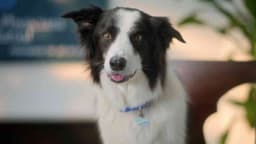
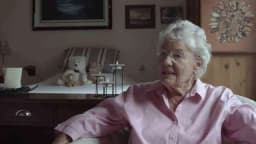
The 'Cathy, Rick, Lindy' campaign for Tysabri, launched in the U.S. in late 2013, presents a narrative-driven approach within the pharmaceutical healthcare sector. The campaign’s core proposition centers on delivering hope and improved quality of life for individuals affected by complex neurological conditions. By focusing on personal stories—embodied in the characters Cathy, Rick, and Lindy—the campaign implicitly underscores Tysabri’s role in enabling patients to reclaim control and meaningful experiences in their daily lives, addressing the emotional and physical challenges of their diagnoses.
Strategically, the campaign employs a humanized storytelling format to create an emotional resonance with its audience, primarily patients and their caregivers navigating treatment decisions. The insight here is that authentic, relatable narratives foster trust and understanding in a therapeutic context often marked by uncertainty and fear. By spotlighting individual journeys rather than clinical data, the ads sidestep traditional pharmaceutical marketing’s informational tone, instead emphasizing lived experience and hope as central themes. This creative angle seeks to differentiate Tysabri in a competitive marketplace by aligning the brand with patient empowerment and real-world impact. The modest YouTube engagement reflects its niche targeting and the specialized nature of the healthcare audience, suggesting the primary distribution focus may have been professional and patient-centered channels rather than mass digital reach. Overall, the campaign reflects a strategic blend of empathy and education tailored to connect with patients and stakeholders seeking reassurance and evidence of tangible benefit in their treatment options.
FORMAT#7 PRESENTER TESTIMONIAL — A person explains the product’s benefits directly to the audience.
This campaign is most likely built around FORMAT#7, Presenter Testimonial. The campaign title 'Cathy, Rick, Lindy' and its association with a pharmaceutical brand in healthcare strongly suggest individual users sharing their personal journeys, which is a classic testimonial approach. The creative relies on relatable patient profiles rather than high-concept storytelling, symbols, demonstrations, or celebrity presence. In pharma, narrative genres often mean structured, real-people-driven testimonials explaining how the product—here, Tysabri—impacted their condition. There are no hints of fictional arcs or visual exaggeration, pointing definitively toward testimonials where patients themselves communicate benefits to potential consumers facing similar health challenges.
ADVERTISING FORMATS EXPLAINED: https://www.clapboard.com/blog/branding-and-advertising/brand-strategy/12-advertising-creative-formats
1. Tecfidera (Biogen) – Positioned as a convenient, oral multiple sclerosis (MS) treatment offering a balance of efficacy and safety. Tecfidera differentiates by emphasizing ease of use compared to infusion therapies, with a strong focus on improving patients’ quality of life through reduced relapse rates and manageable side effects.
2. Gilenya (Novartis) – Marketed as the first oral disease-modifying therapy for MS that offers high efficacy in reducing relapses. Gilenya’s strategic angle is its convenience combined with a unique mechanism of action, targeting patients seeking effective alternatives to injectable or infusion treatments.
3. Copaxone (Teva Pharmaceuticals) – Established as a trusted injectable therapy with a long-standing safety profile and extensive clinical data. Copaxone emphasizes immunomodulation with a patient-friendly dosing schedule, targeting those preferring well-known, time-tested treatment options.
4. Avonex (Biogen) – Differentiates as a weekly injectable MS therapy with a proven track record in reducing relapse rates and delaying disability progression. Avonex stresses its reliability and established clinical history, appealing to patients and clinicians valuing long-term treatment confidence.
5. Lemtrada (Sanofi Genzyme) – Positioned as a high-efficacy, infusion-based therapy designed for patients with aggressive MS or those unresponsive to other treatments. Lemtrada’s strategic focus is on reset of the immune system, offering an intensive but limited-course treatment option with durable benefits.
Q: What is Cathy, Rick, Lindy about?
A: Cathy, Rick, Lindy is a pharmaceutical campaign created for Tysabri by the agency RTC and launched in the United States in 2013. The campaign centers on three film segments, each focusing on a real patient’s personal journey with their condition and treatment. Through these testimonial narratives, the campaign aims to foster an emotional connection with patients and caregivers, positioning Tysabri as a brand that understands and supports those facing complex neurological challenges. The work was distributed in English and leverages a professional, polished visual style to reinforce the brand’s commitment to patient care.
Q: What creative device does Cathy, Rick, Lindy use?
A: Cathy, Rick, Lindy employs the Presenter Testimonial format, classified as FORMAT#7 in Clapboard’s 12-format taxonomy. This creative device features real patients—Cathy, Rick, and Lindy—speaking directly to the audience about their experiences with Tysabri. Rather than relying on dramatization or celebrity endorsement, the campaign foregrounds authentic, first-person accounts to communicate the product’s benefits. This approach is particularly effective in the healthcare sector, where credibility and relatability are essential for building trust with patients and caregivers.
Q: What is the campaign proposition for Cathy, Rick, Lindy?
A: The campaign proposition for Cathy, Rick, Lindy positions Tysabri as a source of hope and improved quality of life for individuals affected by complex neurological conditions. By highlighting the real-life stories of Cathy, Rick, and Lindy, the campaign speaks directly to patients and caregivers navigating difficult treatment decisions. The strategy emphasizes empathy and empowerment, suggesting that Tysabri enables patients to regain control and pursue meaningful experiences. This narrative-driven approach differentiates the brand in a crowded market by focusing on lived experience and emotional reassurance rather than clinical data alone.
Q: How does Cathy, Rick, Lindy rank in Clapboard's archive?
A: Cathy, Rick, Lindy holds a Clapboard Campaign Score of 54/100 in Clapboard’s global ad archive. This score reflects the campaign’s creative ambition, execution quality, and cultural relevance within the pharmaceutical advertising sector.
Q: Who are the competitors in Tysabri's category?
A: In the multiple sclerosis treatment category, Tysabri faces competition from Tecfidera, which is positioned as a convenient oral therapy with a focus on efficacy and safety, and Gilenya, known for being the first oral disease-modifying therapy offering high efficacy and convenience. Copaxone stands out as a trusted injectable with a long safety record, while Avonex is recognized for its weekly dosing and proven track record in reducing relapses. Lemtrada differentiates itself as a high-efficacy infusion therapy intended for patients with aggressive MS or those unresponsive to other treatments.


 ARCHIVE
.webp)