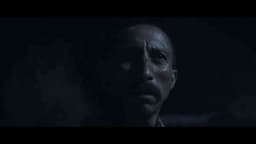
The Washington Post aired its first-ever Super Bowl commercial during Super Bowl LIII in February 2019, created by Mark Woollen & Associates and narrated by

How The Washington Post Made Journalism the Hero at Super Bowl LIII
The Washington Post's "Democracy Dies in Darkness" is a 60-second Super Bowl commercial that aired during Super Bowl LIII on February 3, 2019, created by Mark Woollen & Associates, narrated by Tom Hanks, and built around a single argument: journalism is an essential and dangerous public service.
The campaign marked a decisive moment in the Post's brand history. It was the first Super Bowl advertisement in the newspaper's history, airing in the fourth quarter of Super Bowl LIII at Mercedes-Benz Stadium in Atlanta. The Post's motto, "Democracy Dies in Darkness," had been added to its nameplate and digital platforms in February 2017, according to reporting by Ad Age. The 2019 Super Bowl film transformed that editorial slogan into a mass-audience brand declaration, extending the platform from an internal commitment into a statement of institutional purpose visible to one of the largest television audiences in the United States each year.
The film's central argument is direct: journalists gather and verify facts at personal risk, and their work sustains democratic life. The commercial honours reporters killed in the line of duty, naming Jamal Khashoggi among those who died pursuing the truth, as confirmed by Ad Age. The spot closes on the Post's motto, anchoring the brand not to a product feature or subscription offer but to a civilisational value. In the United States, where press freedom had become a contested public conversation by 2019, the decision to make that argument during the Super Bowl — in front of an audience measured in tens of millions — represented an unusual act of institutional confidence from a legacy media organisation navigating a structurally contracting industry.
The Washington Post operates inside a media industry under sustained structural pressure. Global newspaper advertising stood at approximately 49 billion dollars in 2019, down sharply from roughly 103 billion dollars in 2008, according to WAN-IFRA, the global organisation of news publishers. WAN-IFRA also projected a further decline of 9.3 percent in newspaper advertising in 2019 alone. Against that backdrop, the Post's decision to invest in a high-profile, emotionally driven brand film — rather than a promotional offer — reflected a strategic conviction that differentiation on values, not price, was the more durable competitive position.
The competitive environment in United States digital news is defined by platform consolidation and audience fragmentation. Rivals including The New York Times and CNN compete aggressively for the same digitally engaged, politically aware reader that the Post targets. The New York Times had already demonstrated that a subscription-first model anchored by editorial identity could drive meaningful growth in the United States market. The Post's Super Bowl entry represented its own version of that logic applied to brand advertising: use a singular cultural moment to establish an emotional claim that pure performance marketing cannot make.
The strategic insight behind "Democracy Dies in Darkness" is that trust, not reach, is the scarce resource in the modern media industry. Internet advertising was forecast to account for half of all global advertising spending by 2020, according to WPP projections cited by Nieman Lab, meaning that attention is abundant and cheap while credibility is not. The Post elected to spend its Super Bowl investment on credibility — positioning journalism itself as the product, and the newspaper as its most committed practitioner. That is a differentiation argument, not a conversion argument, and it operated on a timeframe longer than any single subscription quarter.
Mark Woollen & Associates produced the film. The Los Angeles-based agency, founded by director Mark Woollen, specialises in documentary-influenced storytelling for cultural institutions and media brands, a background that is legible in every formal choice made for the Washington Post spot.
The 60-second film uses a spare, factual structure that mirrors the profession it is honouring. There is no narrative artifice, no dramatised scene-setting, and no celebrity cameo in the conventional sense. Tom Hanks functions not as a spokesman but as a narrator — a voice associated in American cultural life with moral gravity and civic seriousness. His casting is itself a creative argument: the person speaking for journalism is the person the United States trusts to play its historical figures on screen. That association does significant persuasive work without a single word of explicit advocacy.
The visual and editorial language of the spot draws on the documentary tradition. Footage of reporters in the field, at war, and under threat grounds the film's claims in physical reality rather than metaphor. The naming of Jamal Khashoggi, the Saudi journalist and Post columnist murdered in October 2018, gives the film a specific, recent, and verifiable anchor that resists abstraction. The creative team understood that sentiment without specificity is sentiment only; specificity transforms sentiment into argument.
The film closes on the slogan "Democracy Dies in Darkness" — already two years embedded in Post brand identity by the time of Super Bowl LIII — with the effect of a conclusion rather than a tagline. The structure is essayistic: premise, evidence, implication, verdict. For a one-minute format airing to a mass audience in the United States expecting entertainment, that formal seriousness is itself a creative statement. Production credits beyond the agency and narrator are not publicly documented in available sources.
No verified campaign-specific performance data for "Democracy Dies in Darkness" — including subscription lifts, site traffic increases, or brand-tracking results attributable directly to the Super Bowl airing — is publicly available. What is documented is the campaign's reception and its place within the Post's broader brand trajectory.
The Washington Post won a 2019 North American Digital Media Award, with washingtonpost.com listed as the winner, according to available awards records, though the precise category is not identified in publicly accessible sources. The campaign was reported on by outlets including The Atlantic, The Hill, Fox News, and Ad Age, generating substantial earned media coverage in the United States in the days following Super Bowl LIII — a standard proxy for cultural resonance in the absence of proprietary metrics.
Structurally, the campaign achieves something that most Super Bowl advertising does not attempt: it makes an argument rather than an impression. Arguments are more durable than impressions because they give the audience something to repeat, to agree with, and to align themselves to. The choice to name Khashoggi specifically — a fact with international political weight — ensured that the film remained a reference point in discussions about press freedom and media brand strategy well beyond the broadcast window.
Clapboard rates "Democracy Dies in Darkness" at 76 out of 100. The score reflects the film's formal discipline, its courage of subject matter, and its effective use of a singular voice in Tom Hanks, tempered by the inherent difficulty of measuring long-form brand impact in the absence of publicly available performance data.
"Democracy Dies in Darkness" is a 60-second film created by Mark Woollen & Associates for The Washington Post, narrated by Tom Hanks, and aired during Super Bowl LIII on February 3, 2019. It argued that journalism is an essential public service, honouring reporters killed in the line of duty and closing on the Post's editorial motto.
Yes. The Washington Post had never previously aired a Super Bowl commercial. The 2019 spot, created by Mark Woollen & Associates, was the newspaper's first appearance in Super Bowl advertising, making it a historic brand moment for one of the United States' most prominent legacy media organisations.
Tom Hanks narrated the spot because his cultural associations — moral authority, civic seriousness, historical gravitas — aligned with the film's argument about journalism. His voice functions as an endorsement by implication, lending credibility to the Post's claim without requiring explicit advocacy. The casting was a creative and strategic decision by Mark Woollen & Associates.
"Democracy Dies in Darkness" became The Washington Post's official motto in February 2017, when it was added to the newspaper's nameplate, website, and institutional materials, according to Ad Age. The 2019 Super Bowl film extended that existing brand platform into a mass-audience statement about press freedom and democratic accountability in the United States.
The Washington Post received recognition at the 2019 North American Digital Media Awards, with washingtonpost.com listed as a winner, according to available awards records. The precise award category is not identified in publicly available sources. The campaign also generated extensive earned media coverage across outlets including The Atlantic, The Hill, and Ad Age.
Mark Woollen & Associates, a Los Angeles-based agency specialising in documentary-influenced storytelling, created the commercial. The agency's founder, director Mark Woollen, built the firm around cultural and media brand clients. The spot aired during the fourth quarter of Super Bowl LIII on February 3, 2019, in the United States.
.webp)
Creative Collaboration Platform: The Backbone of Modern Creative WorkWhat is a creative collaboration platform?Clapboard defines a creative collaboration platform as the operational core for today’s distributed creative teams. This is not a collection of digital collaboration tools stitched together; Clapboard’s system


Understanding the Creative Production MarketplaceWhat is a Creative Production Marketplace?Clapboard defines a creative production marketplace as a structured ecosystem where brands, agencies, and production talent converge to execute video, advertising, and branded content at scale. Unlike the legacy agency or freelanREAD FULL ARTICLE

The Urgent Need for a Creative Production Operating SystemWhy Traditional Creative Production Models Break DownClapboard sees the creative production landscape shifting under pressure. Content velocity is no longer a buzzword—it’s a mandate. Modern advertising demands relentless output across dozens of channels, each wREAD FULL ARTICLE