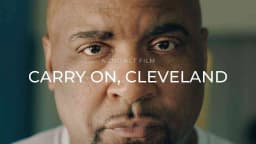
The "Meant to be together" campaign by The American Cancer Society, launched in the U.S. in early 2023, centers on the critical health message that regular cancer screening saves lives. The campaign’s core brand proposition is a commitment to making cancer prevention, early detection, treatment, and survival accessible to all individuals. By emphasizing the importance of screening, it positions the American Cancer Society as a trusted advocate for proactive health management and an essential resource in the fight against cancer.
Strategically, the campaign leverages a narrative approach under the broader theme "People are meant to be together," highlighting the value of human connection and continuity of relationships. This creative angle appeals to emotional sensibilities by implicitly linking cancer screenings to the preservation of those bonds. The campaign insight recognizes that motivating audiences involves more than clinical facts; it requires connecting the act of getting screened to the fundamental human desire to be with loved ones.
Targeting a general U.S. audience concerned with health risks, the campaign uses both digital and film media to maximize reach and engagement. The relatively modest view and interaction metrics suggest a focused, perhaps niche effort rather than a mass-market push, possibly aiming at increasing awareness within specific communities or demographics prone to lower screening rates. By maintaining an informative yet relatable tone and driving viewers toward cancer.org/getscreened, it supports a clear call to action aligned with the American Cancer Society’s broader mission. Overall, the campaign effectively bridges emotional storytelling with practical health guidance to foster preventive care behavior.
FORMAT#2 SHOW THE PROBLEM — Highlights a relatable problem, then shows the product as the solution.
This campaign, titled "Meant to be together," centers around the importance of cancer screening, as indicated by phrases like "People are meant to be together" and the explicit call to action "Screening Saves Lives." The narrative genre and the healthcare context suggest that the film likely depicts the threat cancer poses to relationships and illustrates how timely screening can prevent loss and enable people to stay together. The campaign’s structure aligns with "Show the Problem" because it communicates the emotional consequences of not getting screened—potentially separation or loss—then introduces screening as the empowering solution that keeps loved ones together. There is no evident emphasis on storytelling where the product resolves the plot (Exemplary Story), nor are there signs of symbols, exaggeration, celebrities, or parody; instead, the campaign deploys a problem/solution framework typical of Format #2.
1. Susan G. Komen – Market Positioning
Susan G. Komen positions itself as a leading breast cancer organization emphasizing community outreach and advocacy. It differentiates through its nationwide fundraising events like the Race for the Cure, extensive grassroots support, and a focus on education and research funding specifically for breast cancer awareness and treatment.
2. Cancer Research Institute – Market Positioning
The Cancer Research Institute focuses primarily on immunotherapy research, positioning itself as a pioneer in advancing immune-based cancer treatments. It differentiates by supporting cutting-edge scientific research and clinical trials, marketing itself to donors interested in innovative and early-stage cancer therapies.
3. LIVESTRONG Foundation – Market Positioning
LIVESTRONG centers on providing support and resources to cancer survivors and their families. Its strategic angle is survivor empowerment and quality of life improvement, with a strong emphasis on community building, mental health, and advocacy rather than solely on research or prevention.
4. National Cancer Institute (NCI) – Market Positioning
As a government agency, the NCI is positioned as the authoritative source for cancer research, data, and education. Its strategic focus is on funding groundbreaking scientific studies and providing credible, evidence-based information to the public and healthcare professionals.
5. Prevent Cancer Foundation – Market Positioning
The Prevent Cancer Foundation specializes in cancer prevention and early detection. It distinguishes itself through education campaigns, research funding for screening technologies, and public health advocacy aimed at reducing cancer incidence through lifestyle changes and medical screening initiatives.
Q: What is Meant to be together about?
A: Meant to be together is a 2023 campaign from the American Cancer Society, created by the agency PSP for the United States market. The campaign leverages both digital and film media to deliver a central creative idea: regular cancer screening saves lives and preserves the bonds between people. Crafted under the creative direction of Gabe Flores from Tippit & Moo, the campaign uses emotionally resonant storytelling to motivate audiences to take proactive steps in cancer prevention and early detection, reinforcing the American Cancer Society’s mission to make prevention, detection, treatment, and survival accessible to all.
Q: What creative device does Meant to be together use?
A: Meant to be together employs the Show the Problem format, as classified by Clapboard’s 12-format taxonomy (Format #2). This creative device highlights a relatable problem—in this case, the threat cancer poses to relationships—before presenting screening as the solution that keeps loved ones together. The narrative approach avoids exaggeration, celebrity endorsement, or parody, instead focusing on the emotional consequences of not getting screened and positioning early detection as the empowering action that preserves human connection.
Q: What is the campaign proposition for Meant to be together?
A: The campaign proposition for Meant to be together positions the American Cancer Society as a trusted advocate for proactive health management, emphasizing that regular cancer screening is vital for prevention, early detection, treatment, and survival. Targeting a broad U.S. audience concerned with health risks, the campaign underscores the importance of screening by linking it to the preservation of personal relationships. This strategic message matters in the healthcare market because it reframes screening from a clinical necessity to an act of care for oneself and loved ones, supporting the Society’s mission to reduce cancer mortality through accessible preventive action.
Q: How does Meant to be together rank in Clapboard's archive?
A: Meant to be together holds a Clapboard Campaign Score of 63/100. This score reflects the campaign’s creative ambition, execution quality, and cultural relevance as evaluated by Clapboard’s global ad archive.
Q: Who are the competitors in The American Cancer Society's category?
A: In the healthcare and cancer awareness sector, the American Cancer Society competes with several key organizations: Susan G. Komen is recognized for its community outreach and breast cancer advocacy through fundraising and education; the Cancer Research Institute is positioned as a leader in immunotherapy research and innovation; LIVESTRONG Foundation focuses on survivor empowerment and support services; the National Cancer Institute serves as the authoritative government source for cancer research and public education; and the Prevent Cancer Foundation specializes in prevention and early detection through public health advocacy and education campaigns.


 ARCHIVE
.webp)