A Model Mouth - The American Academy of Periodontology | Clapboard Ad Archive
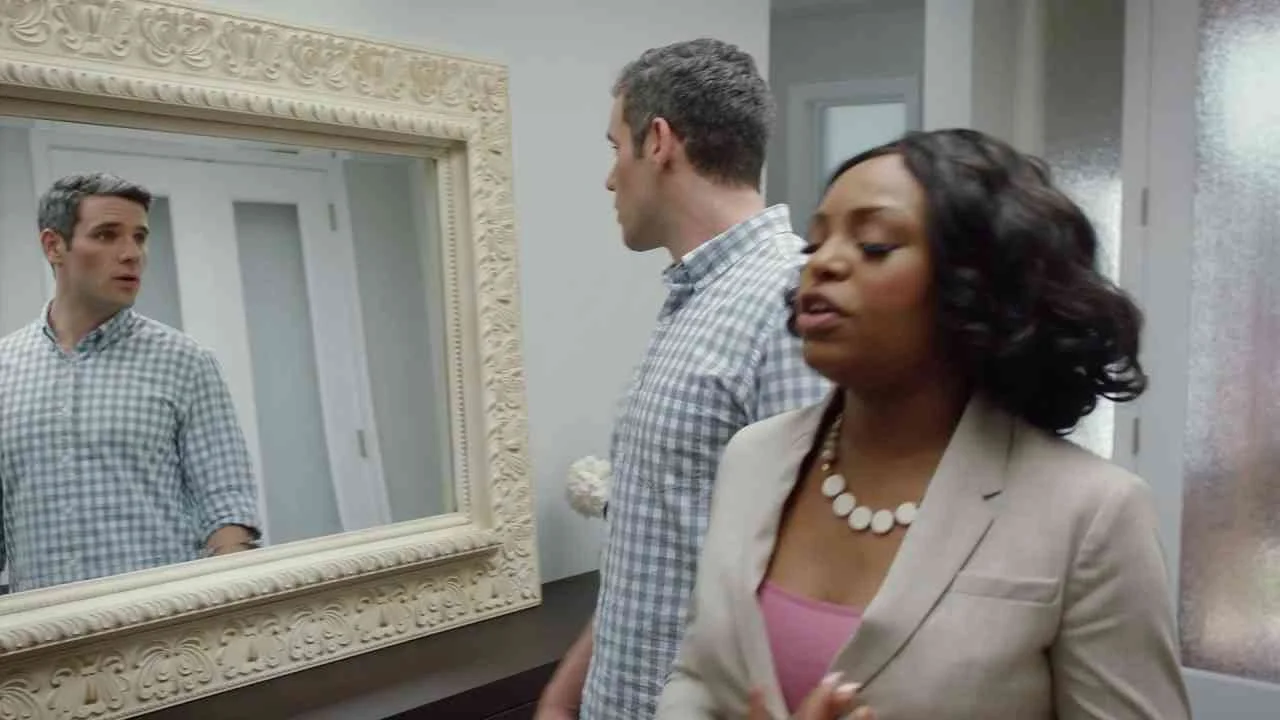
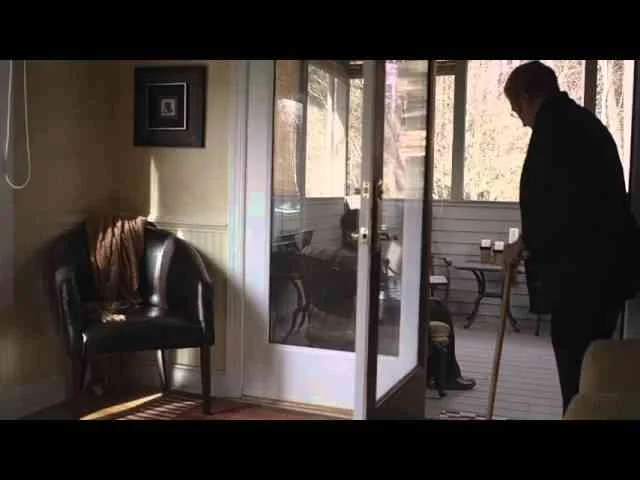
A Model Mouth sees The American Academy of Periodontology partner with Weber Shandwick to deliver a sharply conceived film campaign that subverts health marketing conventions through a pop-culture lens, leveraging the familiar tropes of modeling culture to reframe dental care in unexpectedly witty fashion. Launched in the United States in Year 2017 and targeting the healthcare audience, the campaign follows the story of fictional “mouth model” Carl Hasgood and his periodontist, Amanda Garvey, orchestrating a mockumentary-style narrative that gently satirizes the world of beauty and celebrity to foreground the realities of gum disease and the expertise of periodontists. The creative approach, squarely in what Clapboard’s taxonomy classifies as FORMAT#12—Parody or Borrowed Format, draws on the visual language and narrative beats of industry profiles and talent documentaries, repurposing them to command attention for critical—yet often overlooked—oral health messages. This fusion of parody and education sidesteps the clinical flatness and generic seriousness common to healthcare communication, instead cultivating delight and memorability through character-driven storytelling and relatable humor. By making the stakes of periodontal health play out as the dramatic arc in a “model’s” professional journey, the work deconstructs vanity with a purpose, enabling the American Academy of Periodontology to own a distinct point of view and solidify its standing as a category authority that understands both patient anxieties and the culture they inhabit. The film’s language is accessible, the stakes relatable, and the characters crafted not as mouthpieces for information but as vehicles for empathy—subtly persuading the viewer to see expert dental care as not just prudent, but essential. By blending medical authority with cultural savvy, Weber Shandwick and the American Academy of Periodontology achieve a campaign that informs without lecturing and entertains without undermining trust. The campaign earns a 63/100 in Clapboard’s global creative archive. In recasting familiar content genres to serve health education goals, this campaign signals how even the most technical or specialized topics can find resonance when marketers meet audiences in the shared space of popular culture.





.webp)