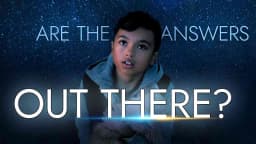
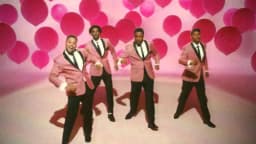
Northlich's 2014 Scooter the Neutered Cat campaign for Ten used catsploitation film parody to promote spaying, neutering, and a no-kill future for cats across

Scooter the Neutered Cat Puts a Blaxploitation Spin on Cat Welfare
"Scooter the Neutered Cat" is a 2014 public interest film created by Northlich for Ten, a cat welfare initiative of the Joanie Bernard Foundation, using blaxploitation-style parody to promote spaying and neutering as the path toward ending kill-shelter euthanasia in the United States.
Ten — formally known as The Ten Movement — was built around a single, measurable ambition: reducing cat overpopulation and advancing a no-kill world for domestic cats across the United States. To carry that message, Northlich, a Cincinnati-based agency, introduced the character of Scooter in 2013, according to clapboard.com. By April 2014, Scooter had been elevated into a fully realised film production built on a tongue-in-cheek masculinity narrative designed to remove the stigma many cat owners, particularly men, associate with having their pets neutered. The campaign launched with a single film asset supported by a coordinated social media presence anchored to the @NeuteredScooter account, as documented by clapboard.com.
The campaign's central objective was to shift cultural attitudes around neutering rather than simply inform. In the United States, shelter overpopulation and euthanasia rates for cats represent an ongoing public health and animal welfare challenge, and Ten sought to use entertainment as a Trojan horse for behaviour change. The film ran as a television spot in two U.S. markets, according to clapboard.com, while its digital footprint extended the message nationally. The strategy positioned neutering not as a loss of vitality but as a marker of cool, embodied by a cat wearing sunglasses and accompanied by a custom funk-inflected soundtrack. The campaign carries a Clapboard Score of 78 out of 100, reflecting its creative ambition, cultural specificity, and the structural intelligence of its approach to a genuinely difficult public interest brief.
Ten and Northlich identified a specific attitudinal barrier as the campaign's primary strategic target. Cat owners — and male pet owners in particular — resist neutering because of culturally ingrained associations between the procedure and diminished masculinity, for the animal if not for themselves. Rather than countering that association through education alone, Northlich chose to co-opt it. By constructing Scooter as an unambiguously cool, stylish, and self-possessed character, the campaign argued implicitly that neutering and swagger are not mutually exclusive.
The public interest landscape in the United States is crowded with earnest messaging around animal welfare, and campaigns from organisations including the ASPCA and the Humane Society of the United States have long relied on emotional appeals centred on suffering and rescue. Northlich's approach for Ten deliberately departed from that convention. Where competitors in the animal welfare communication space reached for pathos, the Scooter campaign reached for parody, targeting the same behaviour-change outcome through an entirely different emotional register. This differentiation was not incidental — it was structural to the brief.
The campaign entered the Twitter Campaign category at the Shorty Awards, according to shortyawards.com, confirming that social media engagement was treated as a primary performance channel rather than a secondary amplification layer. The @NeuteredScooter social identity gave the character a persistent presence beyond the film itself, allowing the campaign to build audience across the United States over time. The television distribution, limited to two U.S. markets as reported by clapboard.com, meant that earned media and organic digital sharing carried the majority of the campaign's geographic reach, a structural choice that placed creative shareability at the centre of the media model.
Director Jordan Brady shaped the entire creative identity of the film. Brady, whose background spans comedy direction and branded content, described the brief from Northlich as simply "a cat wearing sunglasses and funny song lyrics about being fixed," according to jordanbrady.com. From that starting point, Brady developed a concept he characterised as a "catsploitation" film, drawing direct inspiration from the visual and sonic language of Shaft and the broader blaxploitation genre of 1970s American cinema, as documented on jordanbrady.com. That genre reference — with its emphasis on cool, competence, and urban swagger — was precisely calibrated to invert the neutering stigma the campaign sought to dismantle.
The production was executed through Superlounge, with executive producer Dave Farrell overseeing the shoot. The agency team at Northlich was led by Executive Creative Director Jason Schmall and Creative Director Kerry Broderick, with art direction by Laura Gels and copy by senior writer Terry Dillon, according to clapboard.com. Agency producer Diane Frederick managed production coordination between Northlich and Superlounge. The layering of agency and production talent reflects the ambition Northlich brought to what might otherwise have been treated as a low-budget public service assignment.
The film's construction — original soundtrack, deliberate genre pastiche, a recurring character with an established visual identity, and a social media extension — gave the campaign a coherence that single-execution public service films rarely achieve. Scooter was not simply a device for one spot; he was a character with continuity, having been introduced the previous year, as noted by clapboard.com. That character equity allowed the 2014 film to function as a sequel of sorts, deepening audience familiarity rather than starting from scratch.
No verified performance data against formal media or behaviour-change benchmarks for "Scooter the Neutered Cat" is publicly available through Cannes Lions, the Effies, the One Show, D&AD, the Clio Awards, or the Webby Awards, according to clapboard.com. What the public record does confirm is a set of reach figures that speak directly to the campaign's distribution model. The film accumulated more than 1.4 million YouTube views, according to clapboard.com, a substantial figure for a public interest campaign running in a limited television footprint. Earned-media impressions reached a claimed 162 million, as reported by clapboard.com, a number that reflects the degree to which the campaign's novelty — a catsploitation parody for a neutering advocacy brand — generated press and social coverage well beyond its paid distribution in two U.S. markets.
Spaying and neutering rates increased among the campaign's target audience in the United States, according to clapboard.com, though no numerical lift figure, baseline measurement, or methodology is documented in publicly available sources. That caveat matters: the directional finding is consistent with what a campaign of this design and reach might be expected to produce, but it cannot be treated as a verified outcome. What the structural evidence does support is a campaign that punched significantly above its paid media weight. Television coverage in two markets would not ordinarily generate 162 million impressions; earned amplification from press, blogs, and social sharing accounts for the gap. For Ten and the Joanie Bernard Foundation, that ratio — limited paid spend, outsized earned reach — represents precisely the kind of efficiency a public interest organisation requires. The Clapboard Score of 78 out of 100 reflects both the creative intelligence of the execution and the incomplete but encouraging signals in its documented performance record.
"Scooter the Neutered Cat" is a 2014 public interest film created by Northlich for Ten, a cat welfare initiative in the United States. It uses blaxploitation-style parody to promote spaying and neutering. The campaign aimed to end kill-shelter euthanasia by making neutering culturally aspirational rather than stigmatised, according to clapboard.com.
Director Jordan Brady directed the film for production company Superlounge. Brady described his concept as a "catsploitation" film inspired by Shaft, according to jordanbrady.com. The brief from Northlich was simply a cat in sunglasses with funny lyrics about being fixed, which Brady developed into a fully realised 1970s genre parody.
The Scooter the Neutered Cat film accumulated more than 1.4 million YouTube views, according to clapboard.com. The campaign also generated a claimed 162 million earned-media impressions across the United States, according to clapboard.com, despite television distribution being limited to only two U.S. markets.
Northlich's core team included Executive Creative Director Jason Schmall, Creative Director Kerry Broderick, Art Director Laura Gels, and senior writer Terry Dillon, according to clapboard.com. Agency producer Diane Frederick and executive producer Dave Farrell at Superlounge managed production, with Jordan Brady directing the film in the United States.
Ten, formally The Ten Movement and an initiative of the Joanie Bernard Foundation, focused on reducing cat overpopulation in the United States by promoting spaying and neutering, according to clapboard.com. The Scooter campaign supported this by using parody and humour to dismantle the cultural stigma associated with neutering among cat owners.
No verified award wins for Scooter the Neutered Cat are recorded at Cannes Lions, the Effies, the One Show, D&AD, the Clio Awards, or the Webby Awards, according to clapboard.com. The campaign was entered in the Twitter Campaign category of the Shorty Awards, according to shortyawards.com, in recognition of its @NeuteredScooter social media activity.
.webp)
Creative Collaboration Platform: The Backbone of Modern Creative WorkWhat is a creative collaboration platform?Clapboard defines a creative collaboration platform as the operational core for today’s distributed creative teams. This is not a collection of digital collaboration tools stitched together; Clapboard’s system


Understanding the Creative Production MarketplaceWhat is a Creative Production Marketplace?Clapboard defines a creative production marketplace as a structured ecosystem where brands, agencies, and production talent converge to execute video, advertising, and branded content at scale. Unlike the legacy agency or freelanREAD FULL ARTICLE

The Urgent Need for a Creative Production Operating SystemWhy Traditional Creative Production Models Break DownClapboard sees the creative production landscape shifting under pressure. Content velocity is no longer a buzzword—it’s a mandate. Modern advertising demands relentless output across dozens of channels, each wREAD FULL ARTICLE