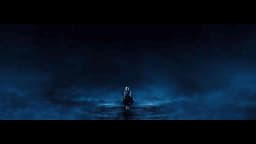
The “Lipstick, Coffee” campaign for Subaru’s Outback Boxer Diesel, launched in the UK in 2013, centers on communicating the superior smoothness and refinement of the vehicle’s newly integrated Lineartronic transmission. By positioning this technological advancement as delivering the “smoothest diesel ride ever,” the campaign emphasizes a core brand proposition focused on enhanced driving comfort and seamless performance. This aligns with Subaru’s broader reputation for combining rugged capability with everyday usability, underscored here by the practical appeal of a diesel engine paired with an innovative transmission system.
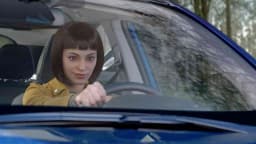
The campaign’s market strategy leverages a relatable, lifestyle-driven insight: the desire for a smooth and stable in-car experience that extends beyond just driving to fluid daily activities, such as applying makeup. The creative angle uses a competitive “Lipstick Challenge” between two women inside the Subaru Outback to illustrate the transmission’s quiet, vibration-free ride in a visually engaging and memorable way. By contrasting the Outback against a generic competitor under disguised conditions, the ad highlights the tangible benefits of the Lineartronic transmission in an unconventional yet effective manner. The choice of a real-life scenario taps into the target audience’s aspiration for comfort and refinement in their vehicle, particularly among discerning UK consumers who value both practicality and sophistication in the automotive segment. Overall, the campaign blends technical innovation with lifestyle relevance, targeting drivers who prioritize a smooth, controlled driving experience without sacrificing everyday usability.
FORMAT#4 CONTRAST WITH THE COMPETITION — Explicitly compares the product to competitors to show superiority.
This campaign leverages a direct comparison format by putting two women in rival cars—one the Subaru Outback with Lineartronic transmission, the other a generic competitor—and setting up a challenge (applying lipstick, presumably while driving) to dramatize the difference in ride smoothness. The narrative cues and meta data call out the explicit comparison: “Will the Subaru Outback Lineartronic triumph? Or the generic competitor...?” This setup doesn’t just demonstrate the product’s benefit but stages a clear head-to-head context, making the superiority of Subaru’s smooth diesel ride tangible through the competitive test. There’s no deep story arc, symbolic exaggeration, or testimonial; it’s classic product-versus-competitor—an archetypal Contrast With the Competition device. ADVERTISING FORMATS EXPLAINED: https://www.clapboard.com/blog/branding-and-advertising/brand-strategy/12-advertising-creative-formats
1. Toyota – Market Positioning
Toyota emphasizes reliability, fuel efficiency, and value for money, with a strong focus on hybrid technology and extensive model variety. Known for durable vehicles, Toyota appeals to practical and eco-conscious consumers seeking dependable daily drivers and innovative powertrains.
2. Volkswagen – Market Positioning
Volkswagen positions itself as a premium yet accessible German brand offering refined design, solid engineering, and advanced technology. It balances performance with comfort, targeting middle-to-upper-class buyers seeking a prestigious but practical European vehicle.
3. Ford – Market Positioning
Ford focuses on tough, versatile vehicles with strong performance and competitive pricing. It leverages its heritage in trucks and SUVs, emphasizing American reliability and innovation, appealing to families, professionals, and outdoor enthusiasts looking for rugged yet comfortable rides.
4. Honda – Market Positioning
Honda highlights efficiency, reliability, and cutting-edge engineering, promoting a smooth driving experience with high resale value. The brand appeals to practical buyers who want durable, technologically advanced vehicles with strong safety features and economical operation.
5. Nissan – Market Positioning
Nissan differentiates itself through innovation and a broad model range, from affordable compact cars to powerful SUVs. It targets buyers seeking contemporary design and advanced connectivity features, blending performance and value in competitive price segments.
Q: What is Lipstick, Coffee about?
A: Lipstick, Coffee is a 2013 film campaign created by Cogent for Subaru, launched in the United Kingdom to promote the Outback Boxer Diesel with its new Lineartronic transmission. The campaign centers on a visually engaging challenge, dubbed the Lipstick Challenge, where two women compete to apply makeup inside moving vehicles—one in the Subaru Outback and the other in a generic competitor car. Through this direct comparison, the campaign highlights the Outback’s exceptionally smooth ride, made possible by the advanced Lineartronic transmission paired with Subaru’s Boxer Diesel engine and full-time symmetrical All-Wheel Drive, positioning it as a leader in diesel driving refinement.
Q: What creative device does Lipstick, Coffee use?
A: Lipstick, Coffee employs FORMAT#4 CONTRAST WITH THE COMPETITION, as classified by Clapboard’s 12-format taxonomy. The campaign sets up a direct, side-by-side comparison between the Subaru Outback and a generic competitor, dramatizing the difference in ride smoothness through a playful lipstick application challenge. This archetypal contrast format eschews narrative backstory or testimonial in favor of an explicit, tangible demonstration of product superiority, making the benefit of Subaru’s Lineartronic transmission immediately clear and memorable to viewers.
Q: What is the campaign proposition for Lipstick, Coffee?
A: The campaign proposition for Lipstick, Coffee centers on communicating Subaru’s commitment to delivering the smoothest diesel ride ever, thanks to the integration of the Lineartronic transmission with the Outback Boxer Diesel. Targeting UK drivers who value both practicality and refinement, the campaign positions the Outback as the benchmark for comfort and seamless performance in its class. By using a relatable, lifestyle-driven scenario, Subaru underscores the everyday usability and advanced engineering of its vehicles, appealing to consumers seeking a stable, vibration-free driving experience without sacrificing the rugged capability the brand is known for.
Q: How does Lipstick, Coffee rank in Clapboard's archive?
A: Lipstick, Coffee holds a Clapboard Campaign Score of 63/100 in Clapboard’s global ad archive. This score reflects the campaign’s creative ambition, execution quality, and cultural relevance as assessed by Clapboard’s curatorial standards.
Q: Who are the competitors in Subaru's category?
A: In the automotive sector, Subaru faces competition from brands such as Toyota, which is known for its reliability, fuel efficiency, and leadership in hybrid technology, appealing to practical and eco-conscious buyers. Volkswagen positions itself as a premium yet accessible choice, blending refined design and engineering for those seeking European prestige and comfort. Ford emphasizes tough, versatile vehicles with strong performance and value, targeting families and outdoor enthusiasts. Honda is recognized for efficiency, reliability, and advanced safety, attracting buyers who prioritize durability and technological innovation. Nissan differentiates itself through contemporary design and advanced connectivity, offering a broad range of models that balance performance and value.


 ARCHIVE
.webp)