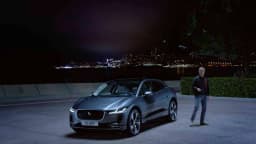
Škoda’s “Mission To Mars” campaign leverages timely cultural relevance and humor to position the brand as innovative, agile, and capable of surprising its audience within the competitive French automotive market. By riffing on the recent global buzz surrounding SpaceX’s Tesla launch to Mars, Škoda asserts a playful yet confident brand proposition: that it is forward-thinking, technologically advanced, and a market disruptor capable of sparking engagement and conversation. The campaign underscores the brand’s evolution through its spotlight on Škoda’s latest models—SPORTLINE, KODIAQ, and KAROQ—thereby associating product innovation with a broader narrative of progress and modernity.
Strategically, the campaign capitalizes on a trending news event, demonstrating acute market responsiveness and cultural fluency, which appeals to an audience attuned to current events and humor. This real-time angle enhances brand relevance and positions Škoda as both connected and quick-witted. The use of an exaggerated, humorous scenario—a Škoda vehicle already on “Mars,” albeit a small French town named Mars—works to disarm the audience and invite engagement through surprise and amusement, reinforcing the brand’s identity as a game changer that challenges conventional expectations. This approach also reflects an understanding of the French market’s appreciation for wit and creativity, ensuring resonance beyond mere product features. Overall, Škoda’s “Mission To Mars” orchestrates a creative alignment between cultural moments, product innovation, and brand character, effectively differentiating the brand within a competitive automotive landscape.
FORMAT#12 PARODY OR BORROWED FORMAT — Uses or parodies pop culture formats like films, shows, or genres.
The Škoda “Mission To Mars” campaign clearly leverages a parody or borrowed format by humorously referencing and riffing on the then-viral news of SpaceX’s Mars launch and the floating Tesla. Instead of a typical demo, problem-solution, or classic story arc, Škoda mimics the epic ‘space mission’ pop culture narrative, playfully suggesting their car has already reached “Mars”—actually a small rural French town. The campaign’s exaggerated, tongue-in-cheek tone, overt genre mimicry, and cultural borrowing make “Parody or Borrowed Format” the best-fitting creative device.
ADVERTISING FORMATS EXPLAINED: https://www.clapboard.com/blog/branding-and-advertising/brand-strategy/12-advertising-creative-formats
1. Volkswagen – Market Positioning
Volkswagen positions itself as a brand offering reliable, well-engineered vehicles with a strong emphasis on German quality and innovation. It balances accessibility with premium features, targeting a broad audience seeking dependable and stylish cars that combine practicality with advanced technology.
2. Renault – Market Positioning
Renault focuses on delivering affordable, stylish, and versatile vehicles with a strong presence in urban and compact segments. The brand emphasizes French design flair, innovation in electric mobility, and family-friendly features, carving out a competitive space through accessibility and sustainability.
3. Peugeot – Market Positioning
Peugeot builds its market presence on dynamic design, driving pleasure, and technological sophistication. The brand blends French craftsmanship with sporty appeal and efficiency, positioning itself as a modern, aspirational choice that targets drivers valuing performance and style within a reasonable price range.
4. Ford – Market Positioning
Ford markets itself on American heritage with an emphasis on robust, practical, and well-performing vehicles. It offers a diverse range from economy models to SUVs and performance cars, highlighting technological integration, safety features, and affordability to attract value-conscious consumers.
5. SEAT – Market Positioning
SEAT positions itself as a youthful, sporty, and design-driven brand within the Volkswagen Group. It targets a younger demographic by emphasizing dynamic styling, energetic driving experiences, and affordable technology, portraying itself as vibrant and contemporary in the competitive European automotive landscape.
Q: What is Misson To Mars about?
A: Misson To Mars is a 2018 campaign created by Rosapark for Škoda France, targeting the French automotive market. The campaign centers on a playful and timely response to the global news of SpaceX launching a Tesla to Mars, humorously claiming that Škoda has already reached Mars—a small town in rural France. Through a film featuring the Škoda Superb Sportline, alongside the Kodiaq and Karoq models, the campaign uses wit and cultural relevance to position Škoda as innovative, agile, and capable of surprising the French audience.
Q: What creative device does Misson To Mars use?
A: Misson To Mars employs the Parody or Borrowed Format, classified as Format #12 in Clapboard’s 12-format taxonomy. The campaign humorously riffs on the pop culture narrative of space missions, specifically referencing the viral SpaceX Tesla launch, by staging a Škoda vehicle’s arrival on “Mars”—actually a French town. This overt genre mimicry and tongue-in-cheek storytelling leverage cultural borrowing to create a playful, exaggerated scenario that stands out in the automotive category.
Q: What is the campaign proposition for Misson To Mars?
A: The campaign proposition for Misson To Mars is to position Škoda as a forward-thinking, technologically advanced, and disruptive brand within the French automotive market. By capitalizing on the trending SpaceX Mars launch, Škoda speaks to an audience attuned to current events and humor, demonstrating its agility and capacity to spark conversation. The campaign aligns Škoda’s latest models with a broader narrative of progress and modernity, reinforcing the brand’s identity as a game changer capable of challenging expectations and engaging consumers beyond traditional product messaging.
Q: How does Misson To Mars rank in Clapboard's archive?
A: Misson To Mars holds a Clapboard Campaign Score of 64/100 in Clapboard’s global ad archive. This score reflects the campaign’s creative ambition, execution quality, and cultural relevance as assessed by Clapboard’s curatorial standards.
Q: Who are the competitors in Škoda's category?
A: In the French automotive market, Škoda competes with several key brands. Volkswagen is known for its reliable, well-engineered vehicles that emphasize German quality and innovation. Renault stands out for its affordable, stylish, and versatile models with a strong focus on French design and electric mobility. Peugeot blends dynamic design with driving pleasure and technological sophistication, appealing to those who value performance and style. Ford leverages its American heritage to market robust, practical vehicles with advanced technology and safety features. SEAT targets a younger demographic with sporty, design-driven cars that highlight energetic driving experiences and contemporary styling.


 ARCHIVE
.webp)