Little Women - Official Trailer - Sony Pictures | Clapboard Ad Archive
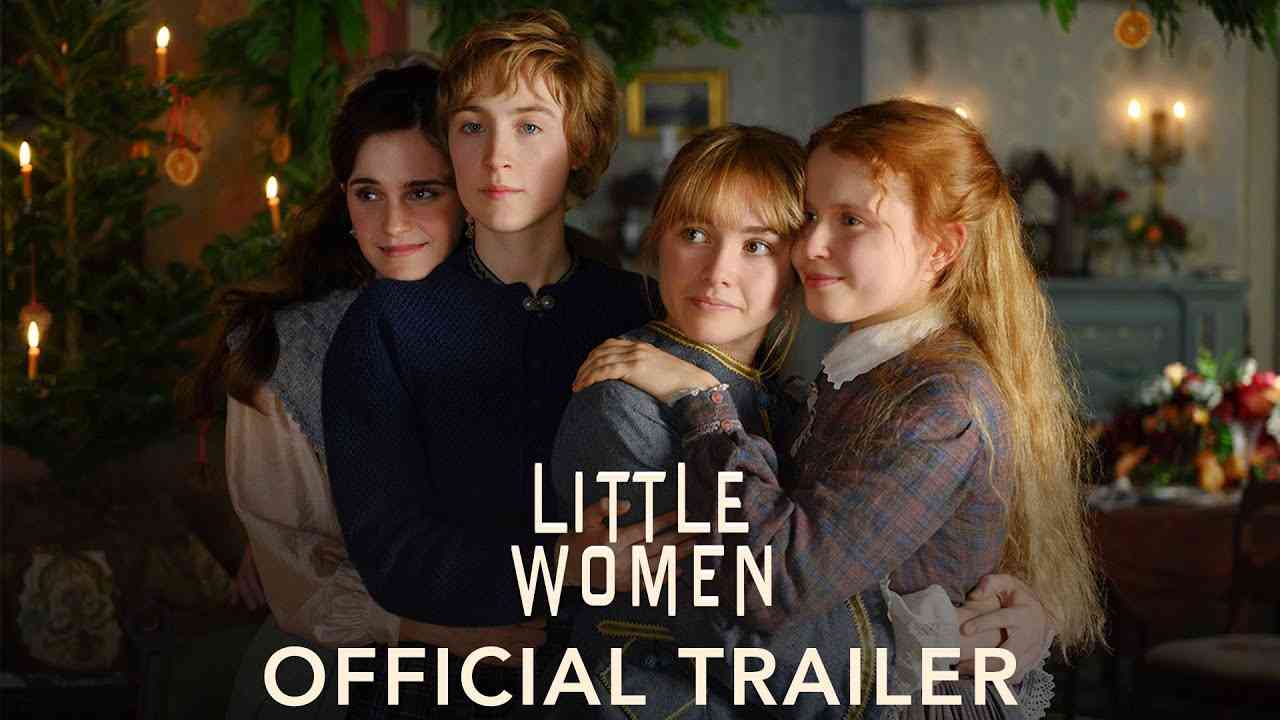
Sony Pictures’ 2019 campaign for Little Women—Official Trailer, crafted by Giaronomo Productions within the media and entertainment market, redefines a classic literary narrative for contemporary cinema audiences through a compelling visual and emotional storytelling approach. This campaign capitalizes on the enduring appeal of Louisa May Alcott’s novel by foregrounding the March sisters’ journeys of self-discovery and empowerment, as interpreted by Greta Gerwig’s directorial vision, which reframes the period drama with modern relevance. The trailer features a high-profile ensemble cast including Saoirse Ronan, Emma Watson, Florence Pugh, Eliza Scanlen, Timothée Chalamet, Laura Dern, and Meryl Streep, whose performances anchor the narrative around themes of female independence and self-authorship, encapsulated in the resonant call to action, own your story. Designed to engage movie enthusiasts across the United States during the Christmas season, the campaign leverages high-definition visuals and a narrative arc that highlights key emotional beats, drawing viewers into the film’s central conflicts and resolutions. The marketing communication strategy extends beyond the trailer, directing audiences to Sony Pictures’ digital platforms such as Facebook, Instagram, Twitter, and the official movie website, where exclusive content and interactive experiences foster deeper audience connection and community building. Social media hashtags like #OfficialTrailer and #LittleWomenMovie drive digital engagement and viral momentum, amplifying the film’s cultural footprint. What Clapboard’s taxonomy would classify as FORMAT#5 EXEMPLARY STORY is evident here, as the trailer’s storytelling is inseparable from the product itself, using the film’s narrative to entice viewers and create anticipation rather than relying on superficial product placement or disjointed messaging. This integration of story and product positions Little Women not simply as a film release but as a cultural event that bridges literary heritage with contemporary cinematic artistry. The campaign earns 78/100 in Clapboard’s global creative archive. This campaign matters to the industry because it demonstrates how literary adaptations can be marketed with a narrative-driven approach that aligns product and story so tightly that audience engagement becomes an extension of the film’s thematic core.






.webp)