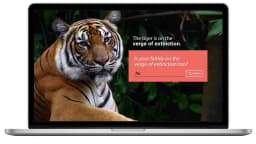
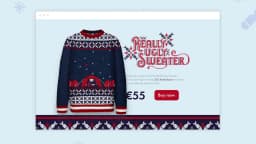
The '99%' campaign by SOS Children's Villages presents a focused appeal to a select group of high-impact individuals—six captains of industry—capable of providing substantial funding for the renovation of their largest Belgian village, Chantevent. The brand proposition centers on delivering impactful, family-based care for abandoned children through intimate community living arrangements, emphasizing the tangible difference that well-directed support can generate. The campaign underscores SOS Children’s Villages’ commitment to offering safe, nurturing environments by housing children in small, family-like units grouped into larger villages, thereby promoting stability and belonging.
Strategically, the campaign recognizes the limitations of traditional mass fundraising and instead employs a highly targeted approach informed by the insight that only a few key players hold the capacity to drive meaningful change through significant financial contributions. The creative angle hinges on exclusivity and precision, bypassing broad appeals in favor of direct engagement with these influential individuals. By positioning the outreach as a social experiment or documentary-style narrative, the campaign leverages authenticity and gravity to resonate with the targeted decision-makers who are otherwise inaccessible through standard channels like mail, phone, or letters. This approach not only elevates the urgency and scale of the need but also frames the campaign as a purposeful, strategic endeavor rather than a general plea, aligning closely with the values and influence of the intended audience.
FORMAT#3 SYMBOLIZE THE PROBLEM — Uses symbols or analogies to represent the problem instead of showing it literally.
This campaign most likely employs the "Symbolize the Problem" format because rather than depicting the literal plight of the abandoned children or showing their daily challenges, the creative vehicle relies on a powerful symbolic gesture or analogy (“99%”) to encapsulate the vastness of their funding need and the exclusivity of the intended donor pool. The briefing makes clear this isn't aimed at generating mass empathy or illustrating personal stories, but at radically focusing on a handful of influential figures using an evocative device. Coupled with the campaign’s niche documentary/social experiment genre, it avoids testimonial, story-driven, or demonstrative arcs and instead functions through a conceptual framing intended to resonate immediately with its high-profile audience by reflecting the enormity and specificity of the problem through symbolic communication.
ADVERTISING FORMATS EXPLAINED: https://www.clapboard.com/blog/branding-and-advertising/brand-strategy/12-advertising-creative-formats
1. UNICEF Belgium – Market Positioning
UNICEF Belgium focuses on child rights advocacy and emergency relief worldwide, positioning itself as a global protector and promoter of children’s welfare. It emphasizes evidence-based programs, partnerships with governments, and large-scale fundraising efforts to improve children's health, education, and protection, leveraging its strong international brand to mobilize resources and influence policy.
2. Child Focus – Market Positioning
Child Focus specializes in the prevention and resolution of child abduction, exploitation, and disappearance cases in Belgium. It positions itself as an expert and trusted authority in child safety, working closely with law enforcement and the media to quickly mobilize public help and ensure child protection through immediate response and prevention campaigns.
3. Plan International Belgium – Market Positioning
Plan International Belgium promotes children’s rights and gender equality through long-term community development projects. It differentiates itself by emphasizing sustainable education and empowerment programs, particularly targeting vulnerable girls, and advocating social justice to build a more equitable future for children globally.
4. Wings of Support – Market Positioning
Wings of Support serves children with physical and developmental disabilities by providing resources, therapy, and family support. It positions itself as a dedicated, compassionate organization offering tailored assistance through rehabilitation and inclusion programs to improve quality of life for children with special needs.
5. Oxfam Belgium – Market Positioning
Oxfam Belgium tackles global poverty and injustice, including child welfare as part of broader social and economic equity campaigns. It differentiates through a strong emphasis on advocacy, humanitarian aid, and grassroots partnerships, positioning itself as a force for systemic change and empowerment of marginalized communities, including vulnerable children and families.
Q: What is 0.99 about?
A: 0.99 is a 2013 print campaign created by BBDO for SOS Children's Villages in Belgium, focused on securing major funding for the renovation of Chantevent, the organization’s largest Belgian village for abandoned children. Rather than appealing to the general public, the campaign strategically targeted six captains of industry with the capacity to make a transformative financial impact. By bypassing traditional communication channels and employing a highly focused approach, 0.99 sought to highlight both the urgency of the need and the exclusivity of the appeal, positioning SOS Children's Villages as a provider of family-based care in intimate, supportive environments.
Q: What creative device does 0.99 use?
A: 0.99 employs the Symbolize the Problem format, classified as FORMAT#3 in Clapboard’s 12-format taxonomy. Instead of depicting the literal circumstances of abandoned children or relying on testimonial storytelling, the campaign uses the symbolic concept of “99%” to represent the vast majority who cannot effect change, thereby emphasizing the critical importance of the targeted 1% who can. This conceptual framing is designed to resonate with high-profile decision-makers, using symbolism to encapsulate both the scale of the need and the exclusivity of the solution.
Q: What is the campaign proposition for 0.99?
A: The campaign proposition for 0.99 centers on SOS Children's Villages’ commitment to delivering impactful, family-based care for abandoned children through small, community-oriented living arrangements. The campaign strategically targets a select group of influential business leaders, recognizing that meaningful change requires significant investment from those with the capacity to provide it. By positioning the appeal as urgent, exclusive, and purpose-driven, 0.99 underscores the tangible difference that well-directed support can make, reinforcing SOS Children's Villages’ role as a leader in nurturing stable, supportive environments for vulnerable children within the public service sector.
Q: How does 0.99 rank in Clapboard's archive?
A: 0.99 holds a Clapboard Campaign Score of 64/100 in Clapboard's global ad archive. This score reflects the campaign’s creative ambition, execution quality, and cultural relevance as assessed by Clapboard’s curatorial standards.
Q: Who are the competitors in SOS Children's Villages's category?
A: In the public service category, SOS Children's Villages competes with UNICEF Belgium, which is positioned as a global leader in child rights advocacy and emergency relief; Child Focus, recognized for its expertise in child safety and rapid response to abduction and exploitation cases; Plan International Belgium, which emphasizes sustainable development and gender equality for children; Wings of Support, specializing in tailored assistance for children with disabilities; and Oxfam Belgium, which addresses child welfare as part of broader campaigns against poverty and social injustice. Each organization brings a distinct approach to child welfare and advocacy within the Belgian and international landscape.


 ARCHIVE
.webp)