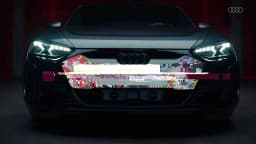
The campaign titled "The slowest car we've ever built," centered on the Audi R8 and released in December 2007, leverages a strategic juxtaposition to highlight the brand’s commitment to precision engineering and craftsmanship. By framing the vehicle as “slow” in a construction or assembly context, the campaign subtly emphasizes the meticulous attention to detail and careful development process behind the Audi R8, positioning the brand as one that prioritizes quality and innovation over speed alone. This narrative suggests a promise of enduring performance and sophisticated technology, underscoring Audi’s reputation for combining cutting-edge design with reliability.
From a market strategy perspective, the campaign appeals to discerning automotive enthusiasts who value both form and function. The creative angle draws attention by subverting expectations—playing on the contradiction between the notion of slowness and the performance-driven reputation of the R8. This approach conveys authenticity, using the behind-the-scenes construction theme to build credibility. The 90-second film format allows for an engaging storytelling arc that blends technical insight with brand identity, targeting an audience interested in the engineering excellence and exclusivity that Audi represents. The campaign capitalizes on intrigue and craftsmanship as emotional touchpoints, differentiating Audi in a competitive luxury sports car segment where innovation and precision are key decision drivers. The sustained engagement indicated by over 700,000 views and significant interaction further suggests the effectiveness of this narrative in resonating with a global, English-speaking audience.
FORMAT#11 UNIQUE PERSONALITY PROPERTY — Highlights a unique feature, origin, or distinctive product identity.
This campaign’s title, “The slowest car we’ve ever built,” is a provocative reversal for an automotive ad, especially for a performance vehicle like the Audi R8. The focus is not on speed or explicit performance, but on the meticulous, painstaking construction process—implying that taking extra time and care imbues the car with unparalleled quality. The creative device foregrounds the distinctive craftsmanship and obsessive attention to detail in building the R8, setting it apart as a halo product. There’s no story-driven arc, no overt problem/solution frame, and no apparent comparison or celebrity device; every narrative cue (title, construction focus, brand positioning) signals an elevation of the product’s unique identity as a differentiator.
ADVERTISING FORMATS EXPLAINED: https://www.clapboard.com/blog/branding-and-advertising/brand-strategy/12-advertising-creative-formats
The brand is not explicitly mentioned in the details. However, given the campaign title "The slowest car we've ever built" from 2007 in the automotive industry, it closely aligns with Volkswagen’s marketing style—specifically referencing the Volkswagen Golf GTI or similar campaigns around that time. Assuming the brand is Volkswagen, here are the top 5 key competitors within the same market category and industry in 2007, along with their market positioning:
1. Toyota – Market Positioning
Toyota is positioned as a reliable, fuel-efficient, and affordable automaker focused on innovation and sustainability, with a strong emphasis on hybrid technology (like the Prius), broad market appeal, and long-term value for everyday consumers worldwide.
2. Ford – Market Positioning
Ford emphasizes American heritage and ruggedness, offering a broad lineup from economical cars to powerful trucks. In 2007, its strategy focused on fuel-efficient vehicles alongside the iconic Mustang and F-series trucks, combining innovation with performance and utility.
3. Honda – Market Positioning
Honda is known for dependable engineering, sporty performance, and fuel efficiency. The brand targets younger, active consumers by offering vehicles that combine reliability with engaging driving dynamics and advanced technology, supported by a strong reputation in both passenger and motorcycle markets.
4. BMW – Market Positioning
BMW positions itself as a premium luxury brand focused on driving pleasure, advanced engineering, and innovation. The brand appeals to affluent consumers who seek performance, style, and cutting-edge automotive technology backed by a prestigious heritage.
5. Hyundai – Market Positioning
Hyundai competes on affordability, value, and improving quality. In 2007, it focused on offering feature-rich vehicles with strong warranties to challenge more established brands, appealing largely to cost-conscious customers seeking modern design and reliable transportation.
Q: What is The slowest car we've ever built about?
A: The slowest car we've ever built is a 2007 film campaign from Audi, created for the automotive market to spotlight the construction of the Audi R8. The campaign centers on a 90-second English-language TV commercial that takes viewers inside the painstaking assembly process of the R8, emphasizing the brand’s dedication to precision engineering and craftsmanship. Rather than focusing on speed, the film highlights the meticulous care and attention to detail that define the R8’s creation, positioning it as a halo product within Audi’s lineup and setting a new narrative standard for luxury sports car advertising.
Q: What creative device does The slowest car we've ever built use?
A: The slowest car we've ever built employs FORMAT#11 UNIQUE PERSONALITY PROPERTY, as classified by Clapboard’s 12-format taxonomy. This creative approach foregrounds a distinctive product identity by highlighting the unique origin and meticulous construction of the Audi R8. The campaign subverts conventional automotive advertising by focusing on the deliberate, slow process of building the car, rather than its speed or performance. This device elevates the craftsmanship and obsessive attention to detail as the core narrative, setting the R8 apart in a crowded market and reinforcing Audi’s commitment to quality and innovation.
Q: What is the campaign proposition for The slowest car we've ever built?
A: The campaign proposition for The slowest car we've ever built leverages a strategic juxtaposition to communicate Audi’s commitment to precision engineering and craftsmanship. By framing the R8 as “slow” in the context of its assembly, Audi signals to discerning automotive enthusiasts that true performance and luxury are achieved through meticulous attention to detail and innovation. This narrative appeals to an audience that values both technical excellence and exclusivity, positioning Audi as a brand that prioritizes enduring quality over superficial speed, and reinforcing its reputation for combining cutting-edge design with reliability in the competitive luxury sports car segment.
Q: How does The slowest car we've ever built rank in Clapboard's archive?
A: The slowest car we've ever built holds a Clapboard Campaign Score of 78/100. This score reflects the campaign’s creative ambition, execution quality, and cultural relevance as assessed by Clapboard’s global ad archive.
Q: Who are the competitors in Audi's category?
A: Within the automotive category in 2007, Audi faced competition from brands such as Toyota, which was positioned around reliability, fuel efficiency, and hybrid innovation; Ford, emphasizing American heritage, ruggedness, and a broad vehicle lineup; Honda, known for dependable engineering and sporty performance targeting younger, active consumers; BMW, which focused on premium luxury, driving pleasure, and advanced engineering for affluent buyers; and Hyundai, competing on affordability, value, and improving quality to appeal to cost-conscious customers seeking modern design and reliability.


 ARCHIVE
.webp)