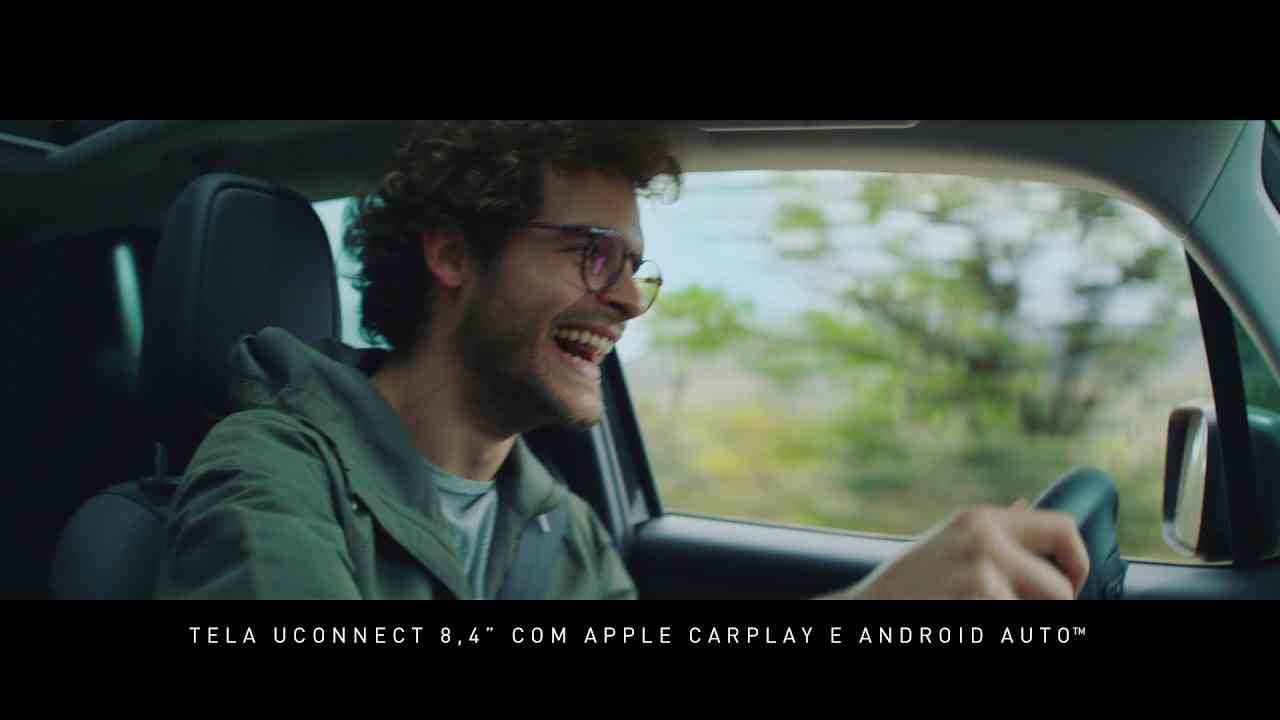
Your Instinct is Jeep - Boy, Your Instinct is Jeep - Girl - Jeep | Clapboard Ad Archive
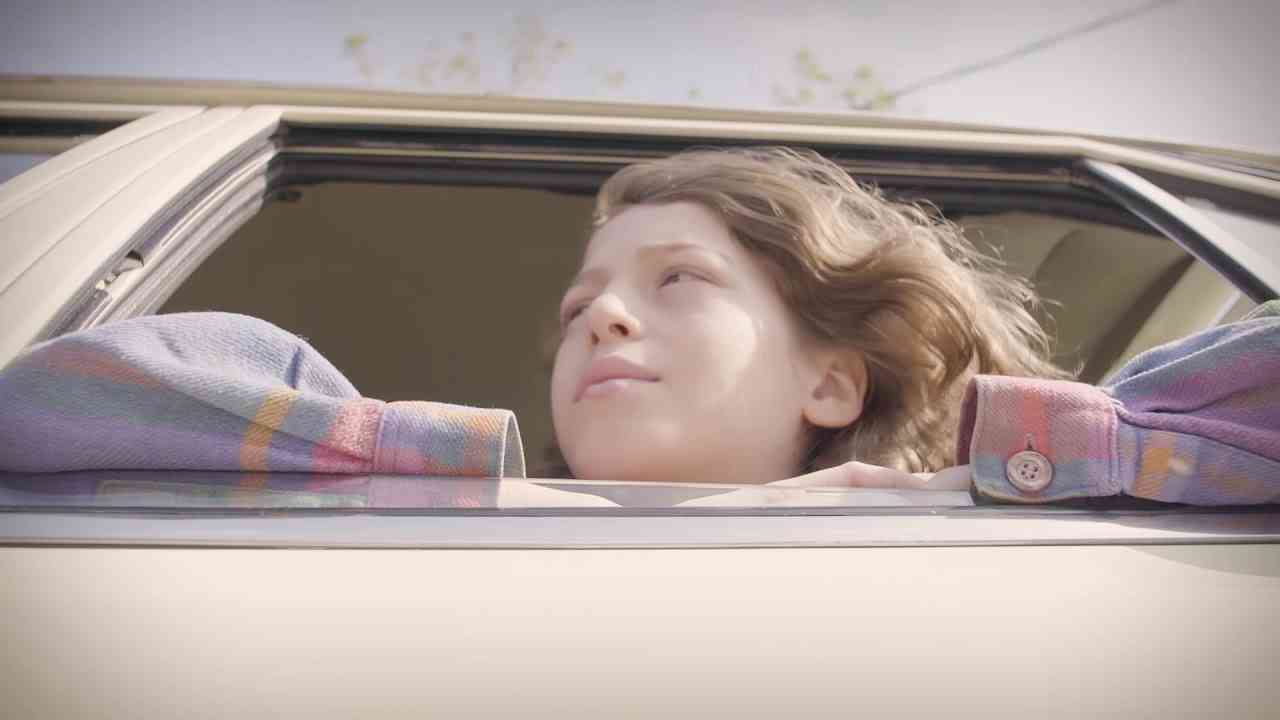
Jeep’s 2018 campaign Your Instinct is Jeep, developed by F.biz for the Brazilian market, positions the Jeep Renegade 2019 as a natural extension of the consumer’s innate drive for adventure and self-expression, embodying the brand’s rugged authenticity through a cinematic narrative that transcends traditional automotive advertising. The campaign unfolds through two parallel film versions—one featuring a male lead and the other a female lead—each telling a story of personal exploration and freedom that invites a wide demographic to see themselves behind the wheel, reinforcing Jeep’s core message that the spirit of adventure is universal and instinctive rather than defined by gender or changing trends. Set against the dynamic backdrop of Steppenwolf’s Born To Be Wild, the films harness an iconic anthem of rebellion and exploration to amplify the emotional resonance of the visuals, effectively linking the Jeep Renegade’s youthful, urban-ready design with a timeless call to break free and discover new horizons. By employing a FORMAT#10 ASSOCIATED USER IMAGERY approach as classified by Clapboard’s 12-format taxonomy, the campaign eschews a conventional product-centered narrative in favor of projecting aspirational user profiles, encouraging consumers to envision their own stories unfolding in the Renegade and thus deepening brand affinity through identification rather than persuasion. This dual-gender storytelling broadens Jeep’s cultural relevance and inclusivity in a market where automotive advertising often defaults to stereotypical portrayals, signaling a strategic evolution in how Jeep communicates its rugged yet accessible personality. The campaign’s runtime variations of 60 and 30 seconds optimize reach and engagement across multiple platforms, leveraging film’s emotive power to create a strong sensory connection that aligns with Jeep’s positioning as a facilitator of freedom and authenticity. Clapboard rates this campaign 69/100 in its global creative archive. This campaign matters because it demonstrates how automotive brands can break free from gendered conventions and leverage instinctive human desires for exploration to create emotionally compelling narratives that resonate across diverse audiences.








.webp)