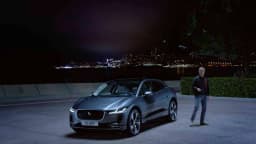
The campaign "The Climb," created by Fallon for Škoda and launched in the UK in 2017, positions the brand as driven by a distinct and determined spirit, emphasizing perseverance and ambition. By featuring Sir Bradley Wiggins, a prominent British cyclist known for his resilience and success, the campaign aligns Škoda with qualities of endurance, precision, and the pursuit of excellence. This association serves to elevate the brand’s proposition beyond mere automotive functionality, instead highlighting an emotional connection rooted in overcoming challenges and striving for greatness.
Strategically, the campaign leverages the credibility and recognition of a national sports figure to engage a UK audience likely to resonate with themes of hard work and achievement. The creative angle of "The Climb" metaphorically links the physical and mental challenges in cycling to the driving experience and the brand’s ethos. By doing so, Škoda taps into consumer aspirations and positions its vehicles as a means to support personal journeys and ambition. The campaign’s storytelling format and focused messaging aim to differentiate Škoda within the competitive automotive sector by presenting it as a brand that embodies determination and difference, appealing to consumers seeking more meaningful brand connections.
FORMAT#8 ONGOING CHARACTERS OR CELEBRITIES — Uses a recurring personality or celebrity for brand recall.
This campaign most closely fits the "Ongoing Characters or Celebrities" format because it centers around the prominent inclusion of Sir Bradley Wiggins, a recognizable British cycling celebrity. The title "The Climb" and the association with Škoda’s “Driven By Something Different” campaign imply a narrative built around Wiggins’ persona and achievements, leveraging his image for brand recall and aspiration. There is no direct narrative promise of a problem–solution arc, literal demonstration, or symbolic device, but rather an emphasis on celebrity endorsement as the creative core.
1. Volkswagen – Market Positioning
Volkswagen positions itself as a premium yet accessible automotive brand focusing on advanced engineering, reliability, and innovative technology. It appeals to consumers seeking a balance between quality, performance, and modern design, leveraging a strong European heritage and a broad model range.
2. Ford – Market Positioning
Ford emphasizes durability, American ingenuity, and value-driven vehicles with a focus on versatile models like SUVs and pick-up trucks. They highlight innovation in fuel efficiency and driver-assist technologies while maintaining mass-market appeal through affordable pricing and extensive dealer networks.
3. Toyota – Market Positioning
Toyota leads with a reputation for exceptional reliability, fuel efficiency, and hybrid technology. The brand is positioned as forward-thinking and environmentally conscious, offering a wide portfolio from economical compacts to SUVs, targeting customers who prioritize long-term value and sustainability.
4. Hyundai – Market Positioning
Hyundai competes by offering stylish, feature-rich vehicles at competitive prices, backed by one of the industry’s best warranties. The brand targets value-conscious buyers who want modern design, advanced safety, and technology, positioning itself as a smart alternative to traditional mainstream brands.
5. Renault – Market Positioning
Renault focuses on innovative design, affordability, and urban-friendly vehicles with an emphasis on electric models and efficient small cars. The brand is positioned around French style and practicality, appealing to younger, environmentally-aware consumers looking for functional yet distinctive automobiles.
Q: What is The climb about?
A: The climb is a professional campaign launched by Škoda in the United Kingdom in 2017, created by the agency Fallon. This film-led campaign centers on a TV advert featuring celebrated British cyclist Sir Bradley Wiggins, aligning with Škoda’s broader Driven By Something Different platform. The creative idea draws a parallel between the determination required in cycling and the driving experience offered by Škoda vehicles, aiming to emotionally engage viewers and reinforce the brand’s unique positioning in the competitive automotive sector. The campaign was delivered in English and achieved notable engagement, reflecting its resonance with the UK audience.
Q: What creative device does The climb use?
A: The climb employs the Ongoing Characters or Celebrities format, as classified by Clapboard’s 12-format taxonomy (FORMAT#8). This approach leverages the recognisable presence of Sir Bradley Wiggins to drive brand recall and aspiration. Rather than relying on a problem–solution narrative or symbolic device, the campaign’s creative core is the celebrity endorsement, using Wiggins’ persona and achievements to embody the brand’s values. This format is designed to create an immediate connection with viewers by associating Škoda with a trusted and admired public figure.
Q: What is the campaign proposition for The climb?
A: The campaign proposition for The climb positions Škoda as a brand defined by determination, ambition, and a drive to be different. By featuring Sir Bradley Wiggins, the campaign targets a UK audience that values endurance and achievement, aligning Škoda with qualities of resilience and excellence. The narrative metaphorically connects the challenges of cycling with the driving experience, suggesting that Škoda vehicles support personal journeys and aspirations. This strategic positioning elevates the brand beyond functional attributes, aiming to foster a deeper emotional connection with consumers seeking meaning and inspiration in their automotive choices.
Q: How does The climb rank in Clapboard's archive?
A: The climb holds a Clapboard Campaign Score of 63/100 in Clapboard’s global ad archive. This score reflects the campaign’s creative ambition, execution quality, and cultural relevance within the automotive sector.
Q: Who are the competitors in Škoda's category?
A: In the automotive market, Škoda competes with brands such as Volkswagen, which is positioned as a premium yet accessible choice focused on engineering and innovation; Ford, known for durability and value-driven vehicles with broad mass-market appeal; Toyota, which leads on reliability, fuel efficiency, and hybrid technology for sustainability-minded consumers; Hyundai, offering stylish, feature-rich cars at competitive prices for value-conscious buyers; and Renault, which emphasizes innovative design and affordability, particularly in urban and electric vehicles targeting younger, environmentally-aware drivers.


 ARCHIVE
.webp)