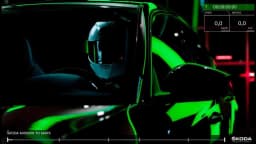
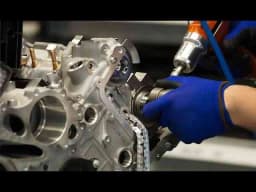
The campaign “A Race Car Set Free” for SEAT’s Leon CUPRA leverages the brand proposition that the thrill and precision of a race car can be experienced beyond the confines of the racetrack. By highlighting that 60% of the Leon CUPRA’s design and parts are shared with an award-winning Cup Racer, the campaign positions the vehicle as a high-performance car that delivers race-grade excitement and engineering for everyday driving. This reframing challenges the traditional view that race cars are limited to controlled environments, instead presenting the Leon CUPRA as a democratized racing experience accessible on public roads.
Strategically, the campaign taps into a key insight: automotive enthusiasts desire exhilaration and a sense of freedom without sacrificing practicality. By portraying the race car as “trapped” in monotony and then “set free,” the creative angle creates an emotional narrative that resonates with consumers seeking both performance and lifestyle integration. The use of film as the medium, combined with evocative storytelling, appeals to a market segment that values authenticity and dynamism in their driving experience. Targeted primarily at the UK automotive consumer who appreciates sportiness and innovation, the campaign effectively bridges the gap between professional racing technology and consumer accessibility. This approach not only elevates SEAT’s brand perception within the competitive automotive landscape but also broadens its appeal by associating cutting-edge performance with everyday usability.
FORMAT#9 SYMBOLIZE THE BENEFIT — Uses symbols or exaggerated visuals to represent the product’s positive impact.
This campaign fits FORMAT#9 because it deploys a powerful symbol: the race car as a metaphor for constrained performance, “trapped in a life of monotony” on the circuit, until the SEAT Leon CUPRA “sets it free” to the open road. Instead of literally demonstrating features or showing direct competition, the ad equates the thrill and freedom of race-car engineering with the liberation of everyday driving, using the release of the race car as an exaggerated visual metaphor for the car’s exhilarating impact. No story arc, testimonial, or celebrity is central; the creative device relies on symbolism to dramatize the product’s core benefit. ADVERTISING FORMATS EXPLAINED: https://www.clapboard.com/blog/branding-and-advertising/brand-strategy/12-advertising-creative-formats
1. Volkswagen – Positioned as a reliable and innovative automotive leader, Volkswagen balances quality engineering with broad appeal. It emphasizes German precision, cutting-edge technology, and a diverse model lineup, aiming to deliver value and performance to a wide consumer base.
2. Ford – Focused on ruggedness, durability, and advanced connectivity, Ford leverages its heritage in the UK and globally. It prioritizes utility and innovation, with strong emphasis on SUVs and electric vehicles to capture evolving market demands and sustain mass-market relevance.
3. Vauxhall – As a quintessentially British brand, Vauxhall emphasizes affordability, practicality, and convenience. It targets mainstream consumers seeking dependable, accessible vehicles with efficient performance and localized design tailored to UK road conditions and preferences.
4. Renault – Renault’s positioning centers on style, affordability, and innovation in urban mobility. It appeals to younger, eco-conscious drivers by integrating electric and hybrid technology with distinctive European design and smart features.
5. Peugeot – Peugeot focuses on sophisticated design, driving pleasure, and technology integration. With a strong push towards electrification, it appeals to consumers looking for a balance of style, efficiency, and advanced connectivity in the competitive European automotive market.
Q: What is A race car set free about?
A: A race car set free is a professional campaign launched in the United Kingdom in 2017 for the brand SEAT, created by the agency Droga5. The campaign centers on the SEAT Leon CUPRA and uses a film medium to challenge the conventional view of race cars as vehicles limited to the track. By highlighting that 60% of the Leon CUPRA’s design and parts are shared with SEAT’s award-winning Cup Racer, the campaign dramatizes the idea that the thrill of racing can now be experienced on everyday roads. Through cinematic storytelling, it positions the Leon CUPRA as a race car liberated for daily adventure.
Q: What creative device does A race car set free use?
A: A race car set free employs FORMAT#9 SYMBOLIZE THE BENEFIT, as classified by Clapboard’s 12-format taxonomy. The campaign uses the race car as a metaphor for constrained performance, portraying it as trapped in the monotony of the racetrack until it is set free to the open road. Rather than focusing on literal features or direct competition, the film relies on exaggerated visual symbolism to represent the exhilarating impact of the SEAT Leon CUPRA. This creative approach dramatizes the product’s core benefit by equating race-grade excitement with the freedom of everyday driving.
Q: What is the campaign proposition for A race car set free?
A: The campaign proposition for A race car set free is that the precision and thrill of a race car are now accessible beyond the racetrack through the SEAT Leon CUPRA. By emphasizing that 60% of the vehicle’s design and parts are shared with an award-winning Cup Racer, SEAT positions the Leon CUPRA as a high-performance car delivering race-grade excitement for everyday drivers. This message targets automotive enthusiasts seeking both exhilaration and practicality, reframing the Leon CUPRA as a democratized racing experience that integrates seamlessly into daily life and broadens SEAT’s appeal in the competitive automotive market.
Q: How does A race car set free rank in Clapboard's archive?
A: In Clapboard’s archive, A race car set free holds a Clapboard Campaign Score of 64/100. This score reflects the campaign’s creative ambition, execution quality, and cultural relevance as evaluated by Clapboard’s global ad archive.
Q: Who are the competitors in SEAT's category?
A: Within SEAT’s automotive category, key competitors include Volkswagen, which is positioned as a leader in quality engineering and innovation with broad consumer appeal; Ford, known for its focus on ruggedness, durability, and advanced connectivity, leveraging its heritage and commitment to evolving market demands; Vauxhall, emphasizing affordability, practicality, and vehicles tailored to British preferences; Renault, appealing to younger, eco-conscious drivers with urban mobility solutions and distinctive European design; and Peugeot, which stands out for sophisticated design, driving pleasure, and a strong push toward electrification and advanced connectivity in the European market.


 ARCHIVE
.webp)