Music Versus Gun Violence - Chicago Ideas | Clapboard Ad Archive
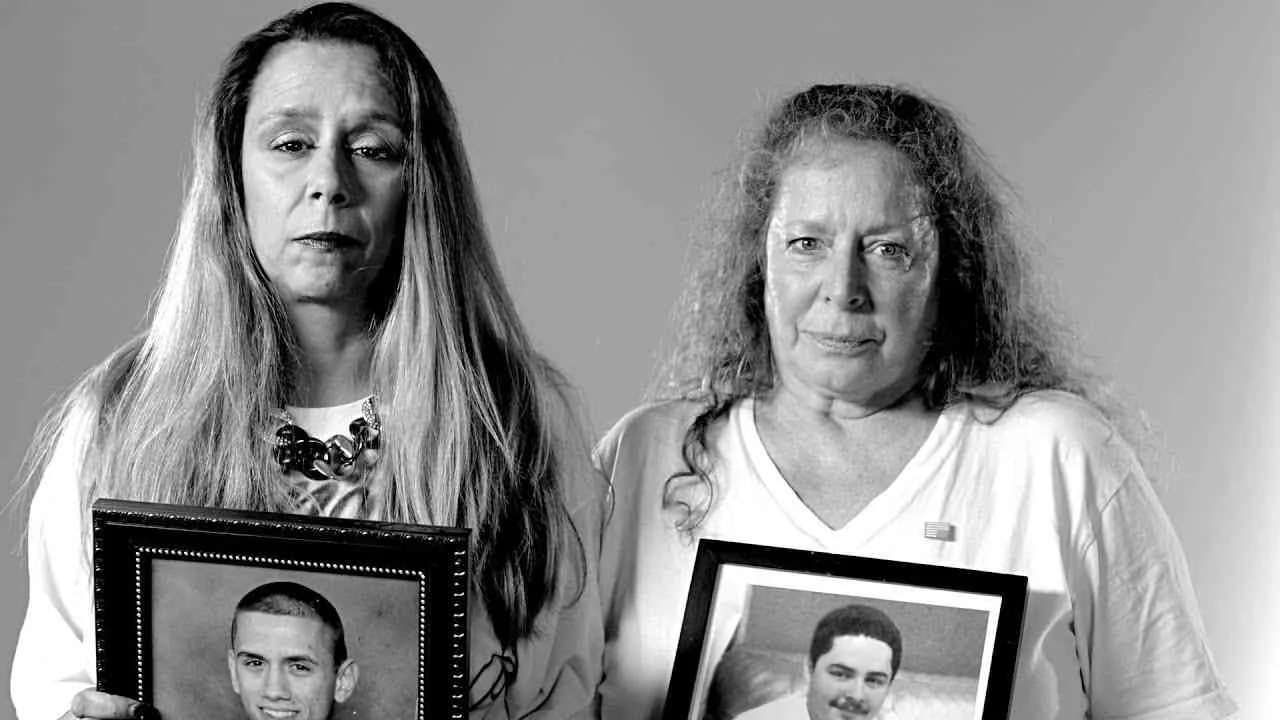
Music Versus Gun Violence by Chicago Ideas, created in collaboration with Leo Burnett and launched in the United States in 2015, tackled the endemic challenge of gun violence through the lens of digitally-enabled community activism, channeling the agency’s legacy of impactful public service work into a campaign that fused music, social participation, and celebrity influence. Centered on the emotionally potent track Put The Guns Down from Grammy-nominated producer Anthony The Twilite Tone Kahn and featuring major Chicago hip-hop artists including Common, King Louie, and Lil Herb, the campaign advanced the provocative insight that music, often implicated in narratives of urban violence, could be repositioned as a vehicle for social change rather than perpetuation. The central strategy was an open invitation: visitors to MusicVsGunViolence.com could record and upload their own verse to be included, turning the track into a living, ever-expanding collective statement against violence that effectively blurred the boundary between artist and audience in pursuit of authentic community engagement. In foregrounding voices both established and emerging, the campaign harnessed the credibility and creative influence of celebrity artists not for solitary advocacy but to jumpstart participation, demonstrating a deliberate, ongoing alignment with the realities and aspirations of Chicago’s youth. The campaign’s structure and strategy sit squarely in what Clapboard’s taxonomy would classify as FORMAT#8—Ongoing Characters or Celebrities—placing the recurring appearance and involvement of well-known music figures at the core of its brand recall, credibility, and viral momentum. Rather than didactic messaging or policy advocacy, Music Versus Gun Violence worked to reframe prevailing narratives on gun violence from within the culture most at risk, shifting the call to action from disarmament directives to collaborative creative expression as a pathway to healing and empowerment. Advances in the digital environment enabled a frictionless participatory experience, supporting user-generated content and peer-to-peer amplification of the anti-violence message across networks, which reinforced the campaign’s resonance in both local and national conversations. Operating as a hybrid of music initiative, social experiment, and public service call-to-action, the work elevated the potential of creative mediums to function as social technologies, not merely as outlets for individual expression but as tools for behavioral influence and movement-building. As a digital campaign under the Public Service market category, Music Versus Gun Violence illustrates the growing imperative for public interest communications to meet audiences on their own cultural terrain, building campaigns around authenticity, shared ownership, and the persuasive reach of influential personalities. Clapboard rates this 79/100. In an environment where public interest campaigns often default to policy or shock-based interventions, Music Versus Gun Violence signals that culturally embedded formats and celebrity-fueled participation can meaningfully reframe social issues for a generation defined by digital interactivity and creative collaboration.




.webp)