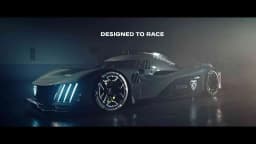
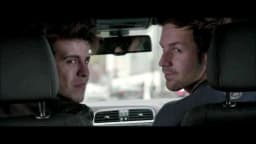
The 'Doctor, Wedding' campaign by Renault, launched in France in 2012, positions the brand as attentive to life's significant moments, emphasizing reliability and emotional resonance over purely technical features. By choosing a narrative that intertwines the solemnity of a medical professional with the celebratory tone of a wedding, the campaign underscores Renault’s promise of trustworthiness and versatility, suggesting the brand’s vehicles are suitable companions through diverse and meaningful experiences.
Strategically, the campaign leverages situational storytelling to connect with a broad audience encompassing both professional and personal dimensions of consumers' lives. The creative approach humanizes the brand by focusing on relatable milestones, thereby moving beyond conventional automotive selling points to forge an emotional connection. This duality—combining the serious with the joyful—targets viewers who value vehicles that integrate seamlessly into their dynamic lifestyles. The underlying insight recognizes that purchasing a car is not solely about utility but also about supporting life’s key events and transitions. By situating Renault at this intersection, the campaign aims to elevate brand relevance within the competitive French automotive market, positioning Renault as a brand that understands and participates in the everyday narratives of its customers.
FORMAT#6 BENEFIT CAUSES STORY — Builds a story where the product’s benefit is the reason for the action or twist.
The campaign title "Doctor, Wedding" for Renault, released in France and classified under the automotive film genre, signals scenarios (a medical emergency, a wedding event) where timing, reliability, or swift arrival is crucial. The narrative focus appears to create a situation in which the product’s (Renault’s) main benefit—perhaps speed, reliability, or accessibility—directly triggers or enables pivotal story events (a doctor arriving just in time for a wedding emergency, or a wedding saved by the car’s performance). The campaign does not suggest a linear problem–solution demonstration or competitive comparison, nor does it hint at celebrity focus, parody, or user testimonials. Instead, the creative device likely constructs mini-narratives where Renault’s automotive advantages are shown to "cause" the central resolution, aligning precisely with FORMAT#6, where the product benefit is the impetus for the twist or outcome rather than just being present in the background of a traditional story arc. This distinction makes FORMAT#6 the best fit, as the car’s advantage is the story driver, not simply a narrative prop.
ADVERTISING FORMATS EXPLAINED: https://www.clapboard.com/blog/branding-and-advertising/brand-strategy/12-advertising-creative-formats
1. Peugeot – Peugeot positions itself as a brand that delivers stylish, innovative, and efficient vehicles tailored for urban and family use. Emphasizing French design and advanced technology, it appeals to consumers seeking a blend of performance and elegance in affordable mid-range cars.
2. Citroën – Citroën differentiates through comfort and distinctive, avant-garde design. The brand focuses on delivering practical, innovative, and value-oriented vehicles that emphasize driving pleasure and cutting-edge technology for everyday use, targeting a broad audience valuing comfort and style.
3. Volkswagen – Volkswagen markets itself as a reliable, high-quality German engineering brand combining performance, safety, and modern design. VW aims to appeal to customers looking for dependable and versatile cars across various segments, reinforcing its "Das Auto" promise of quality and innovation.
4. Ford – Ford leverages its heritage of American engineering with a focus on durability, performance, and value. It targets consumers who favor practical yet sporty cars, highlighting innovative technology and fuel efficiency while maintaining broad market appeal across compact and mid-size segments.
5. Opel – Opel emphasizes German precision, quality, and affordability, competing strongly in the European market with practical and reliable vehicles. The brand targets value-conscious customers wanting modern design, efficient engines, and advanced safety features, balancing cost and performance effectively.
Q: What is Doctor, Wedding about?
A: Doctor, Wedding is a professional film campaign created for Renault by the agency Publicis and released in France in 2012. The campaign centers on the convergence of two pivotal life moments—a medical emergency and a wedding—using these scenarios to highlight Renault’s reliability and emotional relevance. Through cinematic storytelling, the campaign positions Renault vehicles as trusted companions for both serious and celebratory occasions, reinforcing the brand’s commitment to supporting customers through diverse experiences. With two media assets, Doctor, Wedding exemplifies narrative-driven automotive advertising tailored for the French market.
Q: What creative device does Doctor, Wedding use?
A: Doctor, Wedding employs the FORMAT#6 BENEFIT CAUSES STORY technique, as classified by Clapboard’s 12-format taxonomy. In this approach, the product’s core benefit is not merely present but actively drives the story’s resolution or twist. The campaign constructs mini-narratives where Renault’s reliability or performance is the direct catalyst for pivotal moments—such as a doctor arriving just in time or a wedding being saved—making the vehicle’s advantage the engine of the plot rather than a passive backdrop. This format foregrounds the car’s role in enabling meaningful outcomes.
Q: What is the campaign proposition for Doctor, Wedding?
A: The campaign proposition for Doctor, Wedding positions Renault as a brand deeply attuned to life’s significant milestones, emphasizing emotional resonance and reliability over technical specifications. By intertwining the gravitas of a medical professional with the joy of a wedding, Renault signals its vehicles are versatile and trustworthy partners for both personal and professional journeys. This strategic stance targets consumers who value cars that integrate seamlessly into their dynamic lives, elevating Renault’s relevance in the automotive category by aligning the brand with everyday narratives and key life transitions.
Q: How does Doctor, Wedding rank in Clapboard's archive?
A: Doctor, Wedding holds a Clapboard Campaign Score of 63/100 in Clapboard’s global ad archive. This score reflects the campaign’s creative ambition, execution quality, and cultural relevance as assessed by Clapboard’s curatorial standards.
Q: Who are the competitors in Renault's category?
A: In the automotive category, Renault faces competition from several key brands. Peugeot is recognized for delivering stylish, innovative vehicles that blend performance and French design for urban and family use. Citroën stands out with its focus on comfort and avant-garde styling, appealing to those seeking practicality and driving pleasure. Volkswagen is positioned around German engineering, reliability, and modern design, targeting customers who value quality and versatility. Ford emphasizes American durability, performance, and value, catering to practical yet sporty preferences. Opel competes on German precision and affordability, offering modern, efficient vehicles for value-conscious buyers.


 ARCHIVE
.webp)