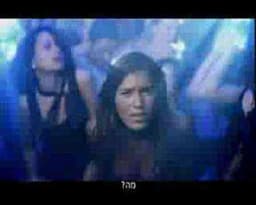
The "Pure Place" campaign for Pure Blonde beer, launched in 2007, positions the brand around the promise of a clean, refreshing drinking experience that distinguishes itself within the Alcoholic Drinks sector. The campaign leverages the brand’s proposition of purity and quality, emphasizing a premium yet approachable character tailored to consumers seeking a lighter, more refined beer option. This aligns with a broader consumer trend in the mid-2000s favoring healthier lifestyle choices, including lower-calorie alcoholic beverages, signaling a shift away from traditional mass-market beers toward products perceived as better for the body and more sophisticated in taste.
From a market strategy perspective, the campaign taps into the insight that modern beer drinkers, particularly younger adults, are increasingly discerning, looking for authenticity and lifestyle fit rather than just price or volume. The creative approach—illustrated by the fresh and cool tone of the ad—connects with an audience motivated by quality and naturalness, while also tying into aspirational themes of purity and clarity. The use of film as a medium and a focused visual style suggests an attempt to cut through clutter by presenting beer as both a lifestyle choice and a performance product, rather than a generic refreshment. The campaign’s engagement metrics, including nearly 870,000 views and active audience interaction, reflect a successful connection with a niche yet sizable market segment seeking differentiation on health and image grounds. Overall, the campaign strategically positions Pure Blonde as a distinct player targeting health-conscious consumers who desire a premium beer experience aligned with their lifestyle values.
FORMAT#9 SYMBOLIZE THE BENEFIT — Uses symbols or exaggerated visuals to represent the product’s positive impact.
The campaign “Pure place” for Pure Blonde beer is strongly coded for Format #9. The title and product name both use the concept of “pure,” and the genre is listed as “Performance”—suggesting the ad employs aesthetic or stylized imagery rather than a story-driven or problem/solution structure. In beer advertising, “purity” is often symbolized via exaggerated depictions of pristine landscapes, natural ingredients, or otherworldly clean environments, rather than literal demonstrations or testimonials. The campaign’s metadata (the word "cool" in the description and its substantial views) further implies that the ad’s appeal is visual and stylized, likely representing the beer’s “pure” qualities through symbolic or surreal means, rather than narrative development, competitive comparison, or problem focus. This unmistakably aligns with the Symbolize the Benefit format, which is about creating a memorable impression of the product’s main benefit—here, purity—via symbolic execution, not storytelling or direct product demo.
ADVERTISING FORMATS EXPLAINED: https://www.clapboard.com/blog/branding-and-advertising/brand-strategy/12-advertising-creative-formats
Since the brand name is not specified, I will base the analysis on the market category (Food & Drink) and industry (Alcoholic Drinks), focusing on top global competitors in alcoholic beverages around the campaign’s 2007 timeline and beyond.
1. Diageo – Market Positioning
Diageo leverages its vast portfolio of premium spirits and iconic brands like Johnnie Walker and Guinness to position itself as a leader in quality, heritage, and global reach. Their strategic angle emphasizes innovation, sustainability, and catering to diverse consumer tastes across multiple markets.
2. Pernod Ricard – Market Positioning
Pernod Ricard differentiates itself through its broad range of premium and super-premium spirits, with a strong focus on brand authenticity and cultural resonance. The company prioritizes experiential marketing and global expansion, aligning with lifestyle and heritage narratives.
3. Bacardi Limited – Market Positioning
Bacardi positions itself as a family-owned, innovation-driven company with a strong emphasis on rum and expanding into other spirit categories. The brand focuses on vibrant, youthful experiences and social occasions, emphasizing heritage and craftsmanship.
4. Beam Suntory – Market Positioning
Beam Suntory highlights its heritage in whiskey and bourbon, combining tradition with modern appeal. The brand focuses on premiumization, authentic storytelling, and expanding into emerging markets with a portfolio catering to both aficionados and mainstream consumers.
5. Brown-Forman Corporation – Market Positioning
Brown-Forman capitalizes on its leadership in American whiskey with brands like Jack Daniel’s, emphasizing craftsmanship, tradition, and a rebellious spirit. Their strategy integrates premium product quality with strong brand narratives tied to authenticity and lifestyle.
Q: What is Pure place about?
A: Pure place is a 2007 film campaign for Pure Blonde beer, created for the Alcoholic Drinks market. The campaign leverages a sleek, modern visual approach to position Pure Blonde as a premium, refreshingly cool choice for discerning consumers. Its central creative idea revolves around the concept of purity, using stylized imagery to evoke a sophisticated lifestyle and a sense of clarity. The film advertisement, which serves as the campaign’s sole media asset, achieved substantial audience engagement with over 870,000 views, reflecting its resonance within the market and its effectiveness in communicating the brand’s unique selling proposition.
Q: What creative device does Pure place use?
A: Pure place employs the Symbolize the Benefit technique, classified as Format #9 in Clapboard’s 12-format taxonomy. This approach uses exaggerated visuals and symbolic imagery to represent the product’s core benefit—in this case, purity—rather than relying on narrative storytelling or direct product demonstration. The campaign’s stylized, performance-driven aesthetic aligns with this format, creating a memorable impression of Pure Blonde’s refreshing and premium qualities through pristine landscapes and cool, surreal visuals. This technique is designed to leave a lasting association between the brand and its promise of purity in the minds of viewers.
Q: What is the campaign proposition for Pure place?
A: The campaign proposition for Pure place centers on positioning Pure Blonde beer as a clean, refreshing, and premium option within the Alcoholic Drinks sector. Targeting health-conscious and image-driven consumers, the campaign emphasizes purity and quality, appealing to those seeking a lighter, more refined beer experience. This strategic stance reflects broader mid-2000s trends toward healthier lifestyle choices and a shift away from mass-market beers. By aligning the brand with aspirational themes of naturalness and sophistication, Pure place aims to differentiate Pure Blonde in a crowded market and connect with consumers who value authenticity and lifestyle fit.
Q: How does Pure place rank in Clapboard's archive?
A: Pure place holds a Clapboard Campaign Score of 69/100 in Clapboard’s global ad archive. This score reflects the campaign’s creative ambition, execution quality, and cultural relevance as assessed by Clapboard’s curatorial standards.
Q: Who are the competitors in Pure Blonde's category?
A: In the alcoholic drinks category, Pure Blonde competes with global players such as Diageo, which leverages a broad portfolio and global reach to emphasize quality and innovation; Pernod Ricard, known for its premium spirits and focus on authenticity and experiential marketing; Bacardi Limited, which prioritizes youthful experiences and heritage; Beam Suntory, combining tradition with modern appeal and premiumization; and Brown-Forman Corporation, which centers on craftsmanship and lifestyle-driven narratives, particularly through its leadership in American whiskey. Each of these competitors brings distinct positioning strategies to the evolving landscape of premium alcoholic beverages.


 ARCHIVE
.webp)