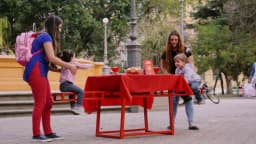
The "Be Cool" campaign by Oreo, launched in Indonesia in October 2019, strategically positions the brand as a youthful and relatable choice within the confectionery and snacks category. The campaign centers on Oreo’s promise of being a fun, enjoyable snack that aligns with a modern, aspirational lifestyle. By leveraging a lifestyle genre, it seeks to embed the brand in everyday moments where consumers express individuality and social ease, reinforcing Oreo as more than just a treat but a cultural symbol of "coolness."
The market strategy hinges on appealing to Indonesian youth, tapping into their desire to be perceived as stylish and socially connected. The campaign’s creative approach uses a short film format to deliver a compact, engaging message that resonates with a digital-savvy audience accustomed to quick, visually driven content. The minimalist use of media assets and a clear, catchy title “OREO MINI 30S” suggests a focus on brevity and memorability, likely aimed at capturing attention in high-traffic digital environments such as YouTube. The choice to localize content in Indonesian language enhances cultural relevance, fostering a stronger emotional connection.
Overall, the campaign’s insight is that today’s young consumers value products that enhance their social identity and lifestyle narratives. Oreo’s “Be Cool” taps into this by positioning the snack as a subtle yet effective tool for self-expression, encouraging consumers to see Oreo as part of their personal brand of cool. This approach supports Oreo’s broader objective to stay relevant in a competitive market by aligning the product with contemporary youth aspirations in Indonesia.
FORMAT#10 ASSOCIATED USER IMAGERY — Shows a user profile the target audience can relate to or aspire to.
The campaign titled 'Be Cool' for Oreo Mini, set in Indonesia’s confectionery/snacks market and positioned as a “Lifestyle” film, strongly suggests ASSOCIATED USER IMAGERY. There is no evidence of a clearly resolved story arc, problem/solution, overt symbolism, direct demonstration, testimonial, exaggeration, parody, or celebrity focus in the available description and metadata. Instead, the “Be Cool” title and lifestyle orientation indicate the ad likely shows aspirational or relatable people (perhaps young adults or kids) enjoying Oreo Minis in everyday, “cool” scenarios, encouraging viewers to see themselves as part of the modern, fun Oreo Mini consumer community.
1. Mondelez International (Tango, Cadbury) – Mondelez leverages a broad portfolio of confectionery and snack brands in Indonesia, focusing on indulgence and premium quality. With Cadbury and local brands like Tango, they emphasize rich taste experiences and emotional connection, targeting both children and adults by combining global heritage with local relevance.
2. Nestlé Indonesia – Nestlé positions itself as a trusted, family-oriented brand offering a wide range of confectionery and snack options. Their emphasis on nutrition, quality ingredients, and local flavors appeals to health-conscious consumers while maintaining indulgent treats, blending convenience and wellness in everyday snacking.
3. Mars Wrigley – Mars Wrigley competes through iconic global brands like Snickers, M&M’s, and Twix, focusing on fun, energy, and on-the-go indulgence. Their market strategy highlights bold flavors, youthful appeal, and strong brand recognition, targeting younger demographics with dynamic, lifestyle-oriented campaigns.
4. Mayora Indah – A dominant local player, Mayora Indah differentiates with affordable pricing and wide distribution across Indonesia. Their snack and confectionery products tap into local taste preferences and cultural nuances, making their brands household staples for everyday consumption in mass and rural markets.
5. GarudaFood – GarudaFood emphasizes Indonesian heritage and natural ingredients, positioning itself as a local brand combining tradition with modern snacking trends. Their portfolio spans from biscuits to chocolate snacks, focusing on quality, health-conscious choices, and loyalty through emotional branding linked to family values and Indonesian culture.
Q: What is Be Cool about?
A: Be Cool is a professional campaign created for Oreo by the agency FCB and launched in Indonesia in 2019. Designed for the confectionery and snacks market, the campaign leverages a film format to showcase Oreo Mini as a fun, youthful snack choice. The central creative idea is to position Oreo as an integral part of a modern, aspirational lifestyle, appealing directly to Indonesian youth. The campaign uses a single media asset and is presented in the Indonesian language, reinforcing local relevance and cultural connection while promoting Oreo as a symbol of enjoyment and social ease.
Q: What creative device does Be Cool use?
A: Be Cool employs the Associated User Imagery creative device, as classified by Clapboard's 12-format taxonomy (Format #10). This approach features relatable or aspirational user profiles that the target audience can identify with or aspire to emulate. Rather than relying on overt storytelling, problem-solution structures, or celebrity endorsement, the campaign depicts everyday, “cool” scenarios where young people enjoy Oreo Minis. This technique encourages viewers to see themselves as part of the Oreo Mini community, reinforcing the brand’s alignment with contemporary youth culture.
Q: What is the campaign proposition for Be Cool?
A: The campaign proposition for Be Cool centers on positioning Oreo as a youthful, relatable brand that resonates with Indonesian youth seeking to express individuality and social connectedness. By embedding Oreo Mini within moments of modern lifestyle and social interaction, the campaign asserts that Oreo is more than a snack—it is a cultural symbol of coolness and self-expression. This strategy is designed to foster emotional connection and brand loyalty in a competitive market, ensuring Oreo remains relevant to a digitally savvy, aspirational audience in Indonesia’s confectionery and snacks category.
Q: How does Be Cool rank in Clapboard's archive?
A: Be Cool holds a Clapboard Campaign Score of 60/100 in Clapboard's global ad archive. This score reflects the campaign’s creative ambition, execution quality, and cultural relevance within the Indonesian confectionery and snacks market.
Q: Who are the competitors in Oreo's category?
A: In Indonesia’s confectionery and snacks category, Oreo faces competition from several major players. Mondelez International, with brands like Cadbury and Tango, emphasizes indulgence and emotional connection, blending global heritage with local appeal. Nestlé Indonesia positions itself as a trusted, family-oriented brand focused on nutrition and local flavors. Mars Wrigley targets younger consumers with globally recognized brands and dynamic, lifestyle-driven campaigns. Mayora Indah stands out for its affordability and deep distribution, catering to local tastes and mass markets, while GarudaFood leverages Indonesian heritage and natural ingredients to connect with consumers seeking quality and tradition in modern snacking.



.webp)