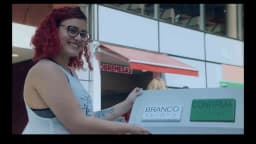
Nestlé’s Garoto Chocolate campaign, launched in Brazil in 2018, positions the brand as integral to the unique cultural identity of Brazilians. By framing Brazilians as a distinct and intriguing “species,” the campaign leverages a playful narrative that attributes part of this individuality to the country’s long-standing love for Garoto’s cocoa. This subtle claim suggests that the brand’s product is more than just a treat—it is intertwined with the generational fabric of Brazilian life, implying an almost scientific basis for the nation’s quirks and character linked to Garoto’s cocoa heritage.
The market strategy hinges on a culturally resonant insight: Brazilians pride themselves on their uniqueness and are receptive to humor and storytelling that reflect local identity. The campaign’s use of a mock scientific study taps into this by engaging curiosity and national pride in a lighthearted, memorable way. Reinventing the brand icon “Garotinho” to star across multiple media platforms under the concept “Only Cocoa Explains” creates continuity and familiarity, reinforcing brand recognition while enabling diverse narrative touchpoints. By extending the story to social media, the campaign aims to deepen audience engagement beyond traditional film advertising, fostering a community dialogue around a shared cultural symbol.
Overall, the campaign seeks to strengthen emotional connections by linking Garoto chocolate not merely to taste or product attributes but to a collective cultural mystique. This narrative approach differentiates the brand within the competitive food and chocolate market by embedding it within the consumers’ sense of identity and national pride, encouraging loyalty through storytelling rather than direct product claims.
FORMAT#12 PARODY OR BORROWED FORMAT — Uses or parodies pop culture formats like films, shows, or genres.
This campaign for Nestlé Garoto Chocolates adopts the framework of a scientific or investigative documentary, parodying the way “unique” or “exotic” phenomena are studied in mockumentaries or nature specials (e.g., “Center for Inexplicable Phenomenons,” researchers investigating “what makes Brazilians so unique?”). The tongue-in-cheek narrative and borrowed style, combined with a humorous pseudo-scientific investigation linking Brazil’s unique national character to Garoto chocolate consumption, clearly fit the Parody or Borrowed Format rather than classic storytelling or benefit demonstration. Specifically, it's not a linear story but a playful send-up of supposedly serious investigations, with the Garotinho character reinforcing this comedic borrowed genre. The campaign stands out as a clever parody leveraging pop cultural documentary tropes to create engagement and memorability.
ADVERTISING FORMATS EXPLAINED: https://www.clapboard.com/blog/branding-and-advertising/brand-strategy/12-advertising-creative-formats
1. Mondelez International – Mondelez positions itself as a global snack powerhouse with strong local relevance, leveraging beloved chocolate brands like Lacta and Milka in Brazil. Their strategy focuses on emotional connection through indulgence and moments of happiness, combined with extensive distribution and innovative product variants catering to diverse consumer tastes.
2. Mars Wrigley – Mars Wrigley emphasizes heritage and quality through iconic brands such as M&M's, Snickers, and Twix. Their positioning highlights consistent taste experience, widespread availability, and strong marketing that taps into fun, sharing, and energy, targeting both impulse buyers and loyal chocolate consumers.
3. Arcor – Arcor positions itself as a trusted provider of affordable, quality confectionery and chocolate products across Latin America. The brand emphasizes accessibility and variety, appealing to family values and everyday enjoyment, balancing between nostalgia and modern trends.
4. Lacta (owned by Mondelez but often identified separately in Brazil) – Lacta leverages cultural ties and emotional storytelling to deepen its local connection, promoting chocolate as an essential part of Brazilian celebrations and family moments. Its market approach is rooted in tradition combined with innovative flavor extensions.
5. Cacau Show – As a leading Brazilian chocolate retailer and manufacturer, Cacau Show differentiates through premium, artisanal chocolate offerings and a strong retail presence. Its market strategy stresses craftsmanship, gifting occasions, and a growing focus on quality, customization, and consumer experience.
Q: What is What Makes Brazilians So Unique? about?
A: What Makes Brazilians So Unique? is a 2018 campaign created by the agency David for Nestlé’s Garoto chocolate brand in Brazil. The campaign centers on a humorous, fictional scientific study conducted by the Center for Inexplicable Phenomena, exploring the idea that the unique traits of Brazilians may be linked to generations of consuming Garoto’s cocoa. The narrative unfolds through a film and is extended across social media, with the refreshed Garotinho brand icon as its protagonist. The campaign uses a playful, culturally resonant approach to celebrate Brazilian identity and reinforce Garoto’s place in the nation’s cultural fabric.
Q: What creative device does What Makes Brazilians So Unique? use?
A: What Makes Brazilians So Unique? employs the Parody or Borrowed Format, classified as FORMAT#12 in Clapboard’s 12-format taxonomy. The campaign adopts the style of a mockumentary or investigative documentary, parodying the conventions of scientific studies on “unique” phenomena. By using a tongue-in-cheek pseudo-scientific investigation and leveraging pop culture documentary tropes, the campaign creates engagement and memorability. The Garotinho character’s makeover and central role further reinforce the comedic, borrowed genre, distinguishing the campaign through its playful and satirical narrative structure.
Q: What is the campaign proposition for What Makes Brazilians So Unique??
A: The campaign proposition for What Makes Brazilians So Unique? positions Garoto chocolate as an integral part of Brazilian cultural identity, suggesting that the nation’s distinctiveness is partly rooted in its long-standing love for Garoto’s cocoa. By framing Brazilians as a unique “species” and attributing their quirks to generational chocolate consumption, the campaign appeals to national pride and a sense of shared heritage. This strategic positioning moves beyond product attributes, aiming to foster emotional connection and brand loyalty by embedding Garoto within the collective story of Brazilian life and culture.
Q: How does What Makes Brazilians So Unique? rank in Clapboard's archive?
A: What Makes Brazilians So Unique? holds a Clapboard Campaign Score of 63/100 in Clapboard’s global ad archive. This score reflects the campaign’s creative ambition, execution quality, and cultural relevance as assessed by Clapboard’s curatorial standards.
Q: Who are the competitors in Nestlé's category?
A: In Brazil’s chocolate market, Nestlé faces competition from Mondelez International, which leverages brands like Lacta and Milka to connect emotionally with consumers through indulgence and variety. Mars Wrigley emphasizes heritage and fun with global icons such as M&M’s and Snickers, while Arcor appeals to families with accessible, quality confectionery rooted in nostalgia. Lacta, often seen as a standalone brand, deepens local ties through tradition and innovative flavors, and Cacau Show differentiates itself with premium, artisanal chocolates and a focus on craftsmanship and gifting occasions.


 ARCHIVE
.webp)