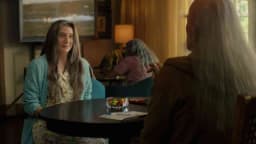
Lobels Biscuits launched Angus the Short in Zimbabwe in May 2019, a narrative film by Shift Engage that used character-led storytelling to build brand affinity.

Lobels Biscuits Brings Angus the Short to Zimbabwean Screens
Angus the Short is a narrative film advertisement created by Zimbabwean ad agency Shift Engage for Lobels Biscuits, published in Zimbabwe in May 2019, using a single character-driven film asset to build emotional affinity for the brand in the local confectionery and snacks category.
Lobels Biscuits is one of Zimbabwe's established names in the confectionery and snacks sector, with a brand history that stretches across decades of local consumer life. The 2019 campaign titled Angus the Short represents a deliberate creative pivot toward long-form narrative film, a format less commonly deployed by snack brands operating in the Zimbabwean market. Rather than relying on product-centric messaging or price-driven prompts, Shift Engage constructed the campaign around a singular character whose name doubles as the campaign title, anchoring the creative idea in personality rather than product attributes.
The campaign was submitted to Clapboard's global advertising archive by Creative Director Brett Mead of Shift Engage, as documented on clapboard.com, and was produced as a single film asset. Its publication in May 2019 situates it within a broader period of brand-building activity that Shift Engage had been conducting for Lobels, following a documented 2016 engagement that, according to shiftengage.net, focused on refreshing the brand's identity, upgrading packaging, and aligning communications across channels. The Angus the Short film extends that trajectory by investing in cinematic storytelling as the primary vehicle for consumer connection. In the Zimbabwean market, where television and digital film remain significant touchpoints for brand communication, the choice of film as the sole medium signals confidence in the narrative's ability to travel across screens and sustain attention without supplementary formats.
Shift Engage identified character-led storytelling as the strategic core of Angus the Short, prioritising emotional resonance over direct product promotion in Zimbabwe's competitive confectionery landscape.
The strategic rationale draws on a well-documented lineage. According to shiftengage.net, the agency's 2016 work for Lobels centred on four core brand values: fun, family, sharing, and taste quality. Angus the Short does not abandon those values; it encodes them inside a narrative structure, allowing consumers to experience the brand's personality rather than simply receive a message about it. This approach reflects a mature understanding of how affinity is built in categories where product differentiation is difficult to sustain on taste or ingredient claims alone.
The broader market context makes this strategy legible. The global confectionery market was valued at approximately US$193.2 billion in 2019 and forecast to grow at a 2.6% compound annual growth rate from 2019 to 2024, according to kenresearch.com. Within that global frame, the five largest confectionery companies — Mars, Mondelēz, Nestlé, Ferrero, and Hershey — held a combined value share of 44.9% in 2019, according to kenresearch.com. In the Zimbabwean market, Lobels operates against the presence of internationally distributed brands including Mondelēz and Nestlé products, whose global scale enables substantial above-the-line investment. For a domestic Zimbabwean brand competing in this environment, a distinctive creative voice is not a luxury; it is a practical differentiator. Shift Engage's decision to pursue narrative film, rather than matching the product-feature formats that international brands often default to, represents a clear-eyed competitive positioning choice. The campaign also sits within a Zimbabwean media environment where emotionally resonant local storytelling carries particular currency with audiences who recognise their own context reflected on screen.
Brett Mead served as Creative Director on Angus the Short, leading the Shift Engage team that produced the campaign's sole film asset for Lobels Biscuits in Zimbabwe.
The decision to build the entire campaign around a single film asset is itself a creative statement. It forecloses the option of spreading attention across formats and instead demands that the film carry full weight — establishing character, communicating brand values, and generating recall without supplementary material. According to clapboard.com, the campaign was archived as a one-asset film execution, and the character of Angus the Short is constructed as a named, personality-driven figure whose identity becomes inseparable from the product it represents. This is a technique with proven precedent in confectionery advertising globally, where mascot-adjacent characters have historically served as long-term brand equities, but it remains a less common approach in the Zimbabwean market, where shorter, more transactional creative formats tend to dominate snack category advertising.
The film's narrative construction, as submitted by Brett Mead to the Clapboard ad archive and documented on clapboard.com, prioritises character likability and story arc over product demonstration. This craft choice aligns with the agency's broader philosophy, evidenced by shiftengage.net's documentation of the 2016 Lobels engagement, which similarly emphasised brand personality as the primary creative territory. The production is positioned as an accessible, locally grounded piece of film storytelling, designed to connect with Zimbabwean audiences through specificity of character rather than through generic snack-category conventions. No additional production credits beyond Brett Mead's Creative Director role have been publicly documented for this campaign, and further crew or production company details are not available in the sources consulted.
No verified performance data for Angus the Short is publicly available in terms of sales lift, market-share movement, or media effectiveness metrics.
The campaign's most documentable external recognition is its appearance on the 2020 Loeries Awards shortlist, as recorded on clapboard.com. The Loeries is widely regarded as the foremost creative awards programme recognising advertising and brand communication across Africa and the Middle East, making a shortlist entry a meaningful indicator of craft recognition within the regional industry. The specific category of the shortlist entry has not been publicly confirmed. No awards wins are recorded across Cannes Lions, Effie Awards, D&AD, The One Show, Clio Awards, Webby Awards, or WARC, based on sources consulted.
The campaign is also archived on both clapboard.com and Ads of the World, as noted in Clapboard's editorial records. Ads of the World functions as one of the most widely referenced repositories for advertising creative globally, and inclusion there extends the work's visibility to an international creative and planning audience beyond Zimbabwe. No independently verifiable trade-press reviews from publications including Campaign, Ad Age, Adweek, The Drum, or Contagious have been located, and no documented social-media reaction or measurable engagement data has been identified across major platforms, based on available research.
Structurally, the campaign's strength lies in its commitment to a single, coherent creative idea executed through film — a format that, when character and narrative land effectively, generates durable brand memory. Clapboard rates Angus the Short at 57 out of 100, reflecting a campaign that demonstrates genuine creative intent and regional awards recognition while leaving its measurable consumer and commercial impact undocumented in the public record.
Angus the Short is a narrative film advertisement created by Shift Engage for Lobels Biscuits in Zimbabwe, published in May 2019. The campaign uses a single character-driven film asset to build emotional affinity for the brand in Zimbabwe's confectionery and snacks category, as archived on clapboard.com.
Shift Engage created Angus the Short for Lobels Biscuits. The Zimbabwean agency has a documented ongoing relationship with Lobels, including a brand refresh engagement in 2016, according to shiftengage.net. Creative Director Brett Mead led the campaign and submitted it to Clapboard's global advertising archive.
Angus the Short was shortlisted at the 2020 Loeries Awards, as recorded on clapboard.com. The Loeries recognises advertising across Africa and the Middle East. No wins are confirmed at Cannes Lions, D&AD, The One Show, Clio Awards, Effies, Webby Awards, or WARC based on sources consulted.
Shift Engage built the campaign around character-led narrative film rather than product-centric messaging. This approach extended Lobels' documented 2016 brand values of fun, family, sharing, and taste quality, according to shiftengage.net, giving Lobels a distinctive local creative voice against internationally scaled confectionery competitors in Zimbabwe.
Clapboard rates Angus the Short at 57 out of 100. The score reflects genuine creative intent and a regional Loeries shortlist recognition, while noting that measurable consumer and commercial impact for the campaign remains undocumented in the public record, per Clapboard's editorial assessment.
.webp)
Creative Collaboration Platform: The Backbone of Modern Creative WorkWhat is a creative collaboration platform?Clapboard defines a creative collaboration platform as the operational core for today’s distributed creative teams. This is not a collection of digital collaboration tools stitched together; Clapboard’s system


Understanding the Creative Production MarketplaceWhat is a Creative Production Marketplace?Clapboard defines a creative production marketplace as a structured ecosystem where brands, agencies, and production talent converge to execute video, advertising, and branded content at scale. Unlike the legacy agency or freelanREAD FULL ARTICLE

The Urgent Need for a Creative Production Operating SystemWhy Traditional Creative Production Models Break DownClapboard sees the creative production landscape shifting under pressure. Content velocity is no longer a buzzword—it’s a mandate. Modern advertising demands relentless output across dozens of channels, each wREAD FULL ARTICLE