 ARCHIVE
Bone, Groom, Carpet - Orange | Clapboard Ad Archive
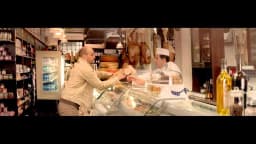
Orange’s 2013 campaign Bone, Groom, Carpet, conceived by Publicis for the Swiss market, underscores...
How life:) Made Unlimited Mobile Internet Feel Effortless in Ukraine
life:) launched '): ) Not so scary' in Ukraine in August 2014, a Scholz & Friends animated film designed to communicate unlimited mobile internet as effortless and unthreatening to everyday consumers in a competitive prepaid market.
The campaign carries a single, declarative premise: the things that feel intimidating about mobile internet — data limits, technical complexity, cost anxiety — are, in fact, not so scary at all. The title itself mirrors the brand's typographic identity, turning the brand name's emoticon logic into a tonal argument. life:), the Ukrainian mobile brand operated by Astelit, framed unlimited internet not as a technical product specification but as an emotional reassurance, particularly relevant in a market where, according to developingtelecoms.com, approximately 87% of Ukrainian mobile users were on prepaid plans — a segment historically cautious about data consumption and overage costs.
In the Ukrainian electronics and technology advertising landscape of 2014, this positioning represented a deliberate pivot toward warmth and accessibility. The campaign, archived on clapboard.com and listed on adsoftheworld.com, consists of one film asset, indicating a concentrated creative bet rather than a broad multi-format rollout. Scholz & Friends, the agency behind the work, built the execution around animated storytelling — a creative choice that allowed the brand to sidestep the literal and lean into the metaphorical, making an abstract product benefit legible to a mass audience. The Gvardiya creative community in Ukraine, which tracked regional advertising output during this period, provides contextual grounding for understanding how Ukrainian agencies were approaching technology briefs at the time. The campaign's Clapboard Score of 59 out of 100 reflects its archival presence and creative coherence, while also signalling the absence of documented effectiveness data and wider industry recognition.
life:) entered the 2014 campaign cycle from a structurally challenging position in the Ukrainian mobile market.
According to developingtelecoms.com, life:) held approximately 18% subscriber market share at the end of 2014, with 10.3 million subscribers — a figure that represented roughly 12% year-over-year growth of approximately 1.1 million new subscribers. That growth was real, but the competitive gap remained substantial. Kyivstar, the market leader, controlled approximately 40 to 42% of the Ukrainian mobile market, according to developingtelecoms.com, while MTS Ukraine occupied the second-tier position between those two poles. Against that competitive backdrop, life:) could not win on network scale or brand heritage. The strategic response was to win on personality.
Ukraine's mobile penetration stood at approximately 120% around 2013 to 2014, according to developingtelecoms.com, meaning the market was not growing through new entrants — it was growing through switching, secondary SIMs, and upselling. In that environment, a campaign that reframed unlimited mobile internet as emotionally accessible rather than technically complex addressed a genuine consumer barrier. The prepaid-dominant user base, per veon.com data, was conditioned to ration data. Communicating that unlimited internet was 'not so scary' spoke directly to the psychological hesitation that prevented prepaid subscribers from upgrading or increasing data usage. Scholz & Friends constructed the strategic argument around reassurance rather than specification, positioning life:) as the brand that understood its users' anxiety and dissolved it through tone rather than tariff detail.
Animation is a deliberate creative instrument in '): ) Not so scary', not a stylistic default.
Scholz & Friends selected the animated film format to handle a brief that presents a recurring creative problem in electronics and technology advertising: how do you make an invisible product — mobile internet — feel tangible and emotionally resonant without reducing the execution to a screen-and-data-plan demonstration? Animation allowed the agency to construct a visual world governed by the campaign's core emotional logic rather than by product literalism. The unthreatening aesthetic register of animation aligned directly with the campaign's argument: that unlimited mobile internet, however it might have seemed, was approachable, friendly, and manageable.
The typographic wit embedded in the brand name life:) — itself a sideways smiley — carries into the campaign title '): ) Not so scary', where the emoticon structure is inverted and then resolved. This kind of brand-language coherence at the executional level is a mark of disciplined creative development. The campaign is listed in Scholz & Friends' advertising archive, as documented on adsoftheworld.com and thecreativesroom.com, confirming its place within the agency's recognised body of work for the Ukrainian market. Production credits for the '): ) Not so scary' campaign are not publicly documented across the available sources, including clapboard.com, adsoftheworld.com, or thecreativesroom.com, and no director, production company, or creative director attribution has been independently verified. The single-asset structure of the campaign suggests the film was conceived as a standalone centrepiece, with the creative argument fully contained within one execution rather than distributed across a campaign system.
No verified performance data for the '): ) Not so scary' campaign is publicly available.
No published effectiveness data, sales lift, market-share change, or brand-tracking results have been reported across clapboard.com, adsoftheworld.com, or thecreativesroom.com. No verified awards have been identified across Cannes Lions, Effies, One Show, D&AD, Clios, Webby, or WARC for this specific campaign. No trade press reviews have been found in Campaign, Ad Age, Adweek, The Drum, or Contagious, and no attributable industry commentary has been identified, as confirmed by the absence of coverage on X or S-F Family's documented archive.
What the structural record does confirm is that life:) achieved approximately 12% subscriber growth in the year of the campaign's release, adding roughly 1.1 million subscribers, according to developingtelecoms.com — though no causal link between that growth and this specific campaign has been established. The creative strategy of emotional reassurance around unlimited mobile internet was, however, directionally coherent with the market conditions of 2014 Ukraine. The campaign's positioning preceded life:)'s subsequent rebrand to lifecell in January 2016 under the platform 'Connect the future', as documented by Rbc Ua, suggesting the brand was engaged in a sustained identity evolution of which this campaign formed one chapter. The Clapboard Score of 59 out of 100 reflects the campaign's creative intentionality and its archival recognition, balanced against the absence of documented impact and external critical engagement.
'): ) Not so scary' is an animated film created by Scholz & Friends for Ukrainian mobile brand life:), published in August 2014. The campaign communicates unlimited mobile internet as emotionally approachable rather than technically intimidating, targeting a prepaid-dominant Ukrainian market cautious about data consumption and cost. It is archived on clapboard.com and adsoftheworld.com.
Scholz & Friends created the campaign. The Berlin-headquartered agency produced the animated film for Astelit's life:) brand in Ukraine, released in August 2014. The campaign is listed in Scholz & Friends' advertising archive and documented across adsoftheworld.com and thecreativesroom.com as part of the agency's Ukrainian market output.
life:) held approximately 18% subscriber market share in Ukraine at the end of 2014, with 10.3 million subscribers, according to developingtelecoms.com. Kyivstar led the market with approximately 40 to 42% share. life:) grew its subscriber base by roughly 12% year-over-year during this period, adding approximately 1.1 million new subscribers.
No verified awards have been identified for '): ) Not so scary'. A review of Cannes Lions, Effies, One Show, D&AD, Clios, Webby, and WARC records found no entries or shortlists attributed to this campaign. The work is archived on clapboard.com and adsoftheworld.com but has not attracted documented industry recognition.
life:) rebranded as lifecell in January 2016 under the positioning line 'Connect the future', as documented by rbc.ua. The '): ) Not so scary' campaign, released in August 2014, represents part of the brand's pre-rebrand identity period, during which Scholz & Friends used animated storytelling to build an emotionally accessible, youth-oriented brand system in Ukraine.
Animation allowed Scholz & Friends to make an invisible product benefit — unlimited mobile internet — emotionally legible without reducing the execution to a technical product demonstration. The unthreatening visual register directly reinforced the campaign's core argument that unlimited internet was approachable, aligning creative form with strategic content for life:)'s prepaid Ukrainian audience.
.webp)
Creative Collaboration Platform: The Backbone of Modern Creative WorkWhat is a creative collaboration platform?Clapboard defines a creative collaboration platform as the operational core for today’s distributed creative teams. This is not a collection of digital collaboration tools stitched together; Clapboard’s system


Understanding the Creative Production MarketplaceWhat is a Creative Production Marketplace?Clapboard defines a creative production marketplace as a structured ecosystem where brands, agencies, and production talent converge to execute video, advertising, and branded content at scale. Unlike the legacy agency or freelanREAD FULL ARTICLE

The Urgent Need for a Creative Production Operating SystemWhy Traditional Creative Production Models Break DownClapboard sees the creative production landscape shifting under pressure. Content velocity is no longer a buzzword—it’s a mandate. Modern advertising demands relentless output across dozens of channels, each wREAD FULL ARTICLE