 ARCHIVE
AVX - The Oracle - Sennheiser | Clapboard Ad Archive
AVX – The Oracle sees Sennheiser assert its technological authority within Germany’s electronics...
Daikin La Quête Puts Performance at the Heart of French Advertising
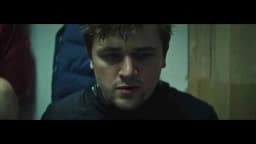
Daikin's "The Quest" is a French-market film campaign created by agency Change and published in France in April 2015, positioning the brand's technology and performance credentials through cinematic narrative in the electronics and home climate category.
The campaign arrives at a moment when the global HVAC sector was navigating significant headwinds. According to achrnews.com, the global air-conditioning market declined approximately three percent in 2015, driven in large part by an economic slowdown in China, which at the time represented roughly forty-two percent of global AC volume. Against that backdrop, Daikin's decision to invest in a brand-led film in the French market signals a commitment to long-term brand equity over short-term promotional activity. In France, where premium home-climate technology competes on differentiation rather than price alone, a storytelling approach carries strategic weight.
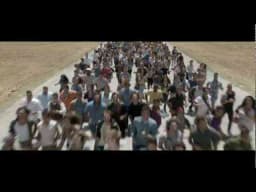
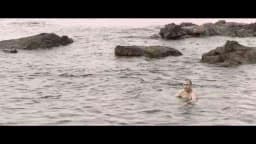
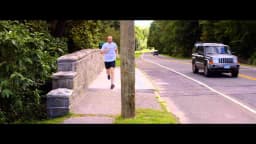
"La Quête" — the French rendering of the campaign's title — frames Daikin not merely as a manufacturer of air-conditioning systems but as a brand defined by an almost philosophical pursuit of precision and performance. The single film asset at the centre of the campaign does not demonstrate product features in a conventional sense. Instead, it constructs an emotional and visual argument for why the relentless search for the best possible outcome — the quest itself — is the defining characteristic of Daikin as a technology brand. This positions the work squarely in the Electronics and Technology category while reaching beyond the functional register that dominates the sector. The campaign earns a Clapboard Score of 58 out of 100, reflecting competent execution and a clear strategic ambition that is partly constrained by limited documented distribution and an absence of verified performance data.
Daikin enters the French advertising conversation in 2015 as the world's largest air-conditioning manufacturer by revenue, according to prweb.com, competing against established European and global rivals including Mitsubishi Electric and Panasonic in the premium home-climate segment. In France, where the installed base of residential air-conditioning has historically lagged northern European markets, brand perception and trust operate as critical purchase drivers, making a prestige film format a rational strategic choice over price-led communication.
The strategic rationale behind "The Quest" aligns with a broader industry dynamic. According to bisresearch.com, the global HVAC and refrigeration equipment market was valued at approximately seventy-seven billion dollars in 2015 and was forecast to grow substantially through 2020. That growth context creates pressure for brands like Daikin to establish emotional territory before competitors do, particularly in markets such as France where consumer awareness of HVAC brand distinctions is lower than in markets like Japan or the United States. Change, the Paris-based agency responsible for the campaign, sustains a documented creative relationship with Daikin across multiple years, with work extending at least from 2015 through 2018 according to records on pixloop.ai, suggesting this campaign is not an isolated execution but part of a coherent long-term brand narrative.
The choice of a pure-film format, with a single media asset, also reflects a 2015 moment in French advertising when long-form brand films were gaining traction as a vehicle for communicating complex technology propositions without the constraints of a thirty-second broadcast spot. The campaign's thematic anchor — an uncompromising pursuit of performance — differentiates Daikin from competitors who default to energy-efficiency ratings and technical specification as their primary communication tools.
Director Hugues De La Brosse leads the production of "The Quest" for Daikin, working through production company BIRTH alongside a creative team at Change assembled under creative director Christophe Perruchas, art director Jeremy Ayad, and copywriter Arnaud Vidal. The combination of a dedicated production company and a named directing talent indicates a production investment consistent with brand-film ambitions rather than a purely functional product demonstration.
The creative team's approach, as the campaign's title and category positioning suggest, centres on the concept of a quest — a narrative device with deep cultural resonance in French storytelling traditions, from medieval chansons de geste to contemporary cinema. By framing Daikin's pursuit of performance excellence through this lens, Perruchas and Vidal position the brand inside a cultural register that French audiences recognise as aspirational and serious. Art director Jeremy Ayad's visual language for the film is designed to reinforce this register: the aesthetic choices signal craft and intention rather than the high-gloss product photography typical of electronics advertising in France in this period.
The single-asset structure of the campaign places all creative weight on the film itself, which is an intentional constraint. When a campaign releases one film without supplementary print, digital, or out-of-home extensions, every decision within that film — pacing, casting, sound design, colour grading — carries proportionally greater meaning. BIRTH as a production company brings a cinematic sensibility to the brief that elevates the work beyond the conventional electronics advertising of the period. The resulting film functions as a brand manifesto for Daikin's technology and performance philosophy in the French market, articulating a point of view that extends well beyond the product's functional attributes.
No verified performance data for "The Quest" campaign is publicly available. No documented sales lift, market-share movement, or brand-tracking data has been associated with this campaign, and no verified awards are recorded across Cannes Lions, the Effies, The One Show, D&AD, the Clios, the Webby Awards, or WARC for this work. No dedicated trade-press reviews appear in Campaign, Ad Age, Adweek, The Drum, or Contagious, according to records reviewed via pixloop.ai.
Structurally, however, the campaign demonstrates several characteristics that advertising effectiveness research consistently associates with long-term brand building. A single high-quality film asset built around an emotionally coherent concept — the relentless pursuit of performance — prioritises memory encoding over immediate conversion, which aligns with the category's long purchase cycles. In the French home-climate market, where consumers may research and defer a purchase decision over months or years, brand salience at the point of eventual purchase is a legitimate and measurable strategic objective even when campaign-level metrics are not publicly documented.
The campaign's Clapboard Score of 58 out of 100 reflects a body of work that is creatively purposeful and strategically grounded, while remaining constrained by its single-asset footprint and the absence of verifiable distribution or audience data. For a 2015 French-market electronics campaign in a relatively low-attention category, the ambition of the La Quête concept represents a meaningful step above the category norm, even if its ultimate reach and resonance in France remain unverified by public record.
Daikin's "The Quest" is a French film campaign from April 2015 created by agency Change. It frames Daikin's technology and performance credentials as a philosophical pursuit of excellence rather than a functional product demonstration, positioning the brand in the premium electronics and home-climate category in France.
Hugues De La Brosse directed "The Quest" for Daikin through production company BIRTH. The creative team at Change Paris was led by creative director Christophe Perruchas, with art director Jeremy Ayad and copywriter Arnaud Vidal contributing to the campaign, which was published in France in April 2015.
No verified awards are recorded for "The Quest" campaign. No recognition from Cannes Lions, D&AD, the Effies, The One Show, the Clios, the Webby Awards, or WARC is documented for this work, according to records reviewed for this analysis. The campaign holds a Clapboard Score of 58 out of 100.
The global air-conditioning market declined approximately three percent in 2015, according to achrnews.com. In France, where residential AC penetration is lower than in many markets, brand differentiation and trust function as primary purchase drivers, making Daikin's choice of a prestige brand-film format a strategically coherent response to competitive pressure.
"The Quest" is part of a documented multi-year creative partnership. According to records on pixloop.ai, Change and Daikin collaborated on campaigns from at least 2015 through 2018, including a 2018 French campaign centred on the theme of precision. "The Quest" represents an early articulation of the performance-focused brand narrative developed across that period.
Daikin's "The Quest" was built around one film asset, concentrating all creative and production investment in a single cinematic statement. This single-asset approach places maximum weight on the film's narrative and craft, a format consistent with long-form brand storytelling that was gaining traction in French advertising during 2015.
.webp)
Creative Collaboration Platform: The Backbone of Modern Creative WorkWhat is a creative collaboration platform?Clapboard defines a creative collaboration platform as the operational core for today’s distributed creative teams. This is not a collection of digital collaboration tools stitched together; Clapboard’s system


Understanding the Creative Production MarketplaceWhat is a Creative Production Marketplace?Clapboard defines a creative production marketplace as a structured ecosystem where brands, agencies, and production talent converge to execute video, advertising, and branded content at scale. Unlike the legacy agency or freelanREAD FULL ARTICLE

The Urgent Need for a Creative Production Operating SystemWhy Traditional Creative Production Models Break DownClapboard sees the creative production landscape shifting under pressure. Content velocity is no longer a buzzword—it’s a mandate. Modern advertising demands relentless output across dozens of channels, each wREAD FULL ARTICLE