 ARCHIVE
Lee Kum Kee Europe Brings Lunar New Year to the Table in 2025
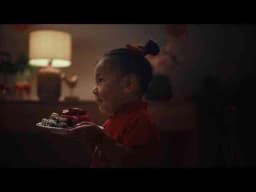
Lee Kum Kee Europe's 2025 Chinese New Year Party Platter campaign is a food and drink film initiative published in January 2025 across China and multinational Europe, designed to position the brand's signature sauces as the essential foundation of a festive Lunar New Year feast built around recipes including Hoisin Ribs, Prawn Toasts, and Golden Tofu Treasure Boxes.
The campaign centres on a proposition that is simultaneously aspirational and practical. By framing a curated selection of dishes as a "platter of prosperity," Lee Kum Kee Europe invites home cooks in both its Chinese home market and across diverse European audiences to approach the Lunar celebration not as an intimidating culinary undertaking but as an achievable and joyful occasion made possible through authentic sauces. The campaign directs audiences to a dedicated recipe page and to a downloadable 2025 Chinese New Year recipe booklet, transforming a single film asset into a broader content ecosystem that extends engagement beyond the initial viewing.
In China and multinational Europe, the timing of the campaign's January 2025 publication is deliberate, landing squarely within the pre-festival consideration window when consumers are actively planning their celebration meals. The Food & Drink category is uniquely responsive to this moment, as purchase decisions for festive ingredients are made weeks in advance. Lee Kum Kee Europe's decision to lead with specific, named dishes rather than abstract brand values reflects a mature understanding of how culturally engaged consumers in both markets respond to concrete culinary guidance during the Lunar New Year season. The Clapboard Score for this campaign is 59 out of 100.
Lee Kum Kee Europe targets culturally engaged consumers across China and multinational Europe who seek to incorporate traditional Chinese cuisine into their holiday gatherings. The strategic insight is straightforward: Lunar New Year is one of the most food-centric celebrations in the world, and the brand's long-standing association with authentic Chinese sauces gives it a credible right to occupy the role of culinary guide at that moment. Rather than competing on price or shelf visibility alone, the campaign competes on cultural authority and recipe inspiration.
The competitive landscape in Europe is meaningful context here. Kikkoman holds approximately twelve percent of the global cooking-sauce market, according to marketintelo.com, making it one of the most visible Asian condiment brands on European supermarket shelves. Against that presence, Lee Kum Kee Europe's approach of anchoring its campaign to specific Chinese New Year dishes and a downloadable recipe booklet is a differentiated move — one that positions the brand not merely as an ingredient but as a trusted guide to authentic Chinese cuisine. This recipe-led content strategy has continuity with the brand's documented approach: according to Newwave Agency, Lee Kum Kee appointed Comms8 in February 2020 as a content-creation partner for Asian audiences in Europe, with a remit covering recipe creation, photography, and localization for Chinese and Asian European communities.
The European oyster-sauce market, a core product category for Lee Kum Kee, was estimated at approximately 550 million US dollars in 2025 and forecast to grow year-on-year, according to marketintelo.com. Across Asia-Pacific, the region represented more than forty-three percent of global condiments market share in 2025, according to Fortune Business Insights, underscoring why a campaign that bridges China and multinational Europe carries genuine commercial logic for a brand operating across both geographies.
Food Hall served as production company for Lee Kum Kee Europe's 2025 Chinese New Year campaign, according to Foodhall London, with Cheeky Communications partnering as communications agency. The production approach combined motion and photography assets across multiple channels, with Food Hall's in-house team filming recipe videos that featured Lee Kum Kee's hero products at the centre of each dish.
The motion work was shot handheld, according to foodhall.london, a deliberate craft decision that introduces a sense of warmth and immediacy into the footage — a visual register well suited to content that wants to feel like an invitation to cook rather than a polished product demonstration. This approach is particularly effective in food and drink advertising aimed at home cooks, where authenticity of texture and appetite appeal matter more than clinical perfection.
Keiron George served as food stylist on the campaign, with Megan Thomson as prop stylist and Rosie French as on-camera food stylist, according to foodhall.london. Nigel Riches shot the lifestyle photography, also per foodhall.london, bringing a distinct discipline to the still imagery that complements the motion work. The visible presence of named specialists — a food stylist, a prop stylist, an on-camera stylist, and a dedicated lifestyle photographer — signals that the production invested meaningfully in the physical presentation of each dish. For a Lunar New Year campaign in which the visual appeal of dishes like Hoisin Ribs and Golden Tofu Treasure Boxes carries direct cultural and commercial weight, that investment is strategically sound. The campaign was published on Ads of the World on January 23, 2025, according to adsoftheworld.com, giving it an indexed presence in the global creative community.
ARCHIVENo verified performance data for the Chinese New Year Party Platter campaign is publicly available. No campaign-specific sales lift, brand-awareness uplift, or market-share change has been published, and no independent trade press reviews appear in Campaign, Ad Age, Adweek, The Drum, or Contagious. The campaign has not been recognised at Cannes Lions, the Effies, The One Show, D&AD, the Clios, the Webby Awards, or WARC Awards.
Structural analysis offers a more useful frame for evaluation. The campaign's architecture — a single film asset supported by a recipe page and a downloadable booklet — is a well-constructed content funnel. The film creates awareness and appetite appeal; the recipe page converts that interest into active cooking engagement; and the downloadable booklet extends the brand's presence into the home beyond the campaign window itself. This is not a broad-reach awareness campaign. It is a depth-of-engagement play aimed at a defined audience of culturally motivated consumers across China and multinational Europe who are already predisposed to celebrate Lunar New Year with Chinese cuisine.
The Clapboard Score of 59 out of 100 reflects a campaign that executes its brief competently but does not break new creative ground. The recipe-led format is proven and safe; the handheld motion aesthetic is appropriate but not distinctive; and the absence of a broader media presence limits its cultural footprint. For a brand of Lee Kum Kee's heritage and market position, the campaign represents a solid seasonal activation rather than a landmark piece of food and drink advertising.
Lee Kum Kee Europe's Chinese New Year Party Platter is a 2025 film campaign published in January across China and multinational Europe. It promotes festive recipes including Hoisin Ribs, Prawn Toasts, and Golden Tofu Treasure Boxes, positioning the brand's sauces as essential to a Lunar New Year celebration, supported by a recipe page and downloadable booklet.
Food Hall served as production company for the campaign, according to foodhall.london. Cheeky Communications partnered as communications agency. The production team included food stylist Keiron George, prop stylist Megan Thomson, on-camera food stylist Rosie French, and lifestyle photographer Nigel Riches, with motion shot handheld for a warm, approachable aesthetic.
The campaign highlights three signature festive dishes: Hoisin Ribs, Prawn Toasts, and Golden Tofu Treasure Boxes. Each recipe uses Lee Kum Kee sauces as a central ingredient. Full recipes are available on the brand's UK website, and a downloadable 2025 Chinese New Year recipe booklet was offered as part of the campaign content.
The campaign received a Clapboard Score of 59 out of 100. This score reflects competent execution of a recipe-led seasonal brief without significant creative innovation. The campaign has not received recognition at major industry award shows including Cannes Lions, D&AD, the Effies, or The One Show, based on publicly available records.
The campaign ran across China and multinational Europe, published in January 2025 to coincide with the Lunar New Year planning window. This dual-market approach reflects Lee Kum Kee Europe's strategy of engaging both its Chinese heritage market and the growing base of culturally engaged consumers seeking authentic Chinese cuisine across European markets.
Lee Kum Kee Europe differentiates from competitors such as Kikkoman — which holds approximately twelve percent of the global cooking-sauce market, according to marketintelo.com — through recipe-led content and cultural specificity. Rather than broad shelf presence, the brand leads with named festival dishes and a downloadable booklet, building engagement depth over mass awareness reach.
.webp)
Creative Collaboration Platform: The Backbone of Modern Creative WorkWhat is a creative collaboration platform?Clapboard defines a creative collaboration platform as the operational core for today’s distributed creative teams. This is not a collection of digital collaboration tools stitched together; Clapboard’s system


Understanding the Creative Production MarketplaceWhat is a Creative Production Marketplace?Clapboard defines a creative production marketplace as a structured ecosystem where brands, agencies, and production talent converge to execute video, advertising, and branded content at scale. Unlike the legacy agency or freelanREAD FULL ARTICLE

The Urgent Need for a Creative Production Operating SystemWhy Traditional Creative Production Models Break DownClapboard sees the creative production landscape shifting under pressure. Content velocity is no longer a buzzword—it’s a mandate. Modern advertising demands relentless output across dozens of channels, each wREAD FULL ARTICLE