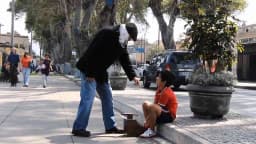
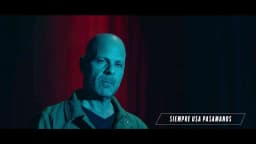
The campaign "Candidate, Puppy," developed by Y&R Perú for the League Against Cancer, centers on promoting testicular cancer prevention through regular self-examination. The brand proposition conveys a clear, responsible health behavior with the promise that men who perform regular testicular checks demonstrate personal accountability and care for their well-being. This frames self-examination not only as a medical necessity but also as a sign of maturity and responsibility, challenging potential stigma or taboo around the topic.
Strategically, the campaign employs a social experiment format to engage the Peruvian male audience by associating self-care with social perception. By testing the impact of men’s health awareness on how they are viewed by others, it taps into the insight that social validation and responsibility influence behavior. The creative angle leverages relatable social dynamics and subtle humor to break down barriers to discussing testicular health, making the message more accessible and less intimidating. Executed primarily through film media on television, the campaign targets men who may be hesitant to engage in preventive health practices, aiming to normalize the conversation and encourage proactive behavior. The strategic combination of documentary elements with social experimentation facilitates authentic engagement, encouraging the audience to internalize the importance of prevention through a socially relevant and approachable narrative.
FORMAT#10 ASSOCIATED USER IMAGERY — Shows a user profile the target audience can relate to or aspire to.
This campaign leans most convincingly toward “Associated User Imagery” because it frames regular testicular self-exams as a marker of responsibility and maturity—qualities the target audience (young men) would likely aspire to. The “Candidate” title and reference to responsibility signal that the campaign uses relatable everyday situations or personas (possibly a political candidate or responsible pet owner) to draw direct parallels to responsible health behavior. There is no indication of a problem/solution arc, testimonial, demonstration, celebrity use, extreme symbolism, or parody—rather, the creative core hinges on depicting users whose responsible habits (like cancer self-checks) make them role models.
ADVERTISING FORMATS EXPLAINED: https://www.clapboard.com/blog/branding-and-advertising/brand-strategy/12-advertising-creative-formats
1. Techo – Focuses on eradicating poverty through community-driven housing projects in Latin America, positioning itself as a youth-led movement that empowers vulnerable populations by fostering social inclusion and sustainable development.
2. World Vision Peru – Leverages a faith-based approach to improve child well-being and community health, emphasizing long-term development and disaster response, with a strong narrative around hope and transformative impact in impoverished areas.
3. Sociedad Peruana de Cáncer – Positions itself as a specialized, expert-driven organization focused on cancer prevention, early detection, and patient support, emphasizing scientific research and professional medical guidance to reduce cancer incidence nationwide.
4. Cruz Roja Peruana (Peruvian Red Cross) – Differentiates through its broad emergency response and humanitarian aid, underlining neutrality, rapid response, and community health education across Peru, making it a trusted first responder in crises and public health campaigns.
5. Plan International Peru – Targets child rights and gender equality, focusing on education and protection for vulnerable children, with a strategic emphasis on empowering girls and fostering inclusive growth to break cycles of poverty and discrimination.
Q: What is Candidate, Puppy about?
A: Candidate, Puppy is a professional campaign launched in Peru in 2012 by the League against cancer and created by Y&R Perú. This film-based campaign was designed to raise awareness about testicular cancer prevention, targeting men with a message that regular self-examination is a sign of responsibility and maturity. Developed under the creative direction of Flavio Pantigoso, the campaign uses relatable storytelling and emotional appeal to challenge cultural stigmas around male health, encouraging proactive self-care as a key factor in cancer prevention within the Peruvian market.
Q: What creative device does Candidate, Puppy use?
A: Candidate, Puppy employs the Associated User Imagery format, as classified by Clapboard’s 12-format taxonomy. This approach centers on depicting user profiles that the target audience can relate to or aspire to, framing regular testicular self-exams as markers of responsibility and maturity. The campaign leverages everyday situations and relatable personas to draw direct parallels between responsible health behavior and positive social perception, making the message accessible and culturally resonant for young men in Peru.
Q: What is the campaign proposition for Candidate, Puppy?
A: The campaign proposition for Candidate, Puppy positions regular testicular self-examination as both a medical necessity and a demonstration of personal accountability. By associating self-care with maturity and responsibility, the League against cancer aims to normalize preventive health behaviors among Peruvian men, particularly those who may be hesitant to engage in such practices. The campaign’s strategic focus is on breaking down stigma and encouraging behavior change by linking health awareness to social validation, making the message relevant and motivating within the public interest category.
Q: How does Candidate, Puppy rank in Clapboard's archive?
A: Candidate, Puppy holds a Clapboard Campaign Score of 63/100 in Clapboard’s global ad archive. This score reflects the campaign’s creative ambition, execution quality, and cultural relevance as evaluated by Clapboard’s curatorial standards.
Q: Who are the competitors in League against cancer's category?
A: In the public service and health awareness sector in Peru, League against cancer faces competition from organizations such as Techo, which drives youth-led community housing projects for social inclusion; World Vision Peru, which focuses on faith-based community health and child well-being; Sociedad Peruana de Cáncer, which emphasizes expert-driven cancer prevention and early detection; Cruz Roja Peruana, known for its rapid emergency response and health education; and Plan International Peru, which champions child rights and gender equality through education and protection initiatives. Each competitor brings a distinct approach to public health and social development within the Peruvian market.


.webp)