Cyberbullying hurts too - Cyberbullying | Clapboard Ad Archive
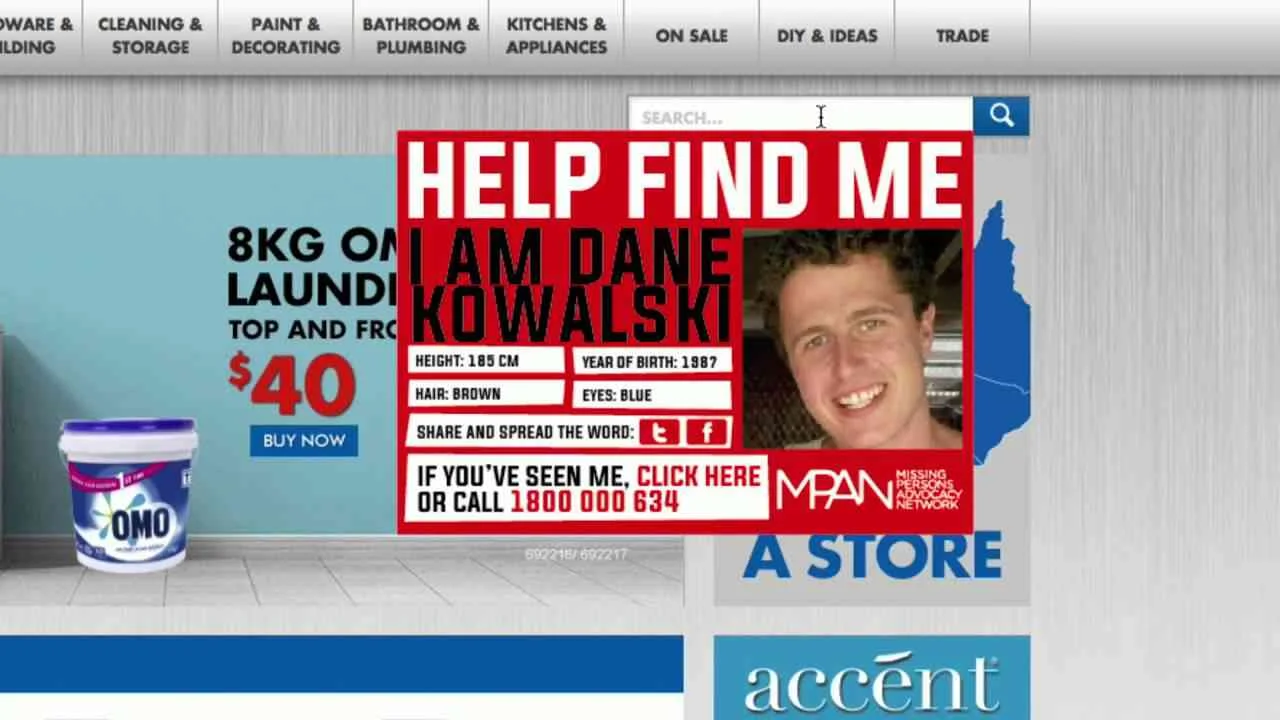
Cyberbullying hurts too, the 2012 public service campaign from Magnum Opus for the Cyberbullying brand, confronts the escalating crisis of online harassment among youth with an unvarnished willingness to show the consequences head-on. Produced for the Australian market, this film-driven effort opts for a direct, emotionally charged exposition that brings the private pain of cyberbullying into public focus—a strategy that aligns the work with FORMAT#2—Show the Problem in Clapboard’s 12-format taxonomy. Rather than diverting attention to decorative messaging or dramatized resolution, the campaign capitalizes on documentary realism and a deliberately grounded approach, creating a sense of immediacy that compels viewers to engage with the raw impact of digital cruelty. By assembling a narrative that places viewers in the position of the victim, the agency delivers a sensory and psychological account of isolation, distress, and unseen emotional trauma experienced by young people in digital spaces—relying less on abstraction and more on immersive storytelling and visceral realism. Magnum Opus intentionally chooses the absence of a product or service as the pivot, directing audiences instead toward self-recognition and a collective sense of responsibility, reinforced by the campaign’s call to share the message broadly and confront the issue at scale. The campaign’s spare aesthetic, documentary tone, and authentic performances intensify the discomforting truth that cyberbullying, while virtual, has very real-world consequences—a position that resonates across social, educational, and parental stakeholders in the public interest category. Throughout, the film’s refusal to offer quick fixes or easy resolutions pushes viewers beyond passive awareness to consider their own roles as spectators or participants, prompting reflection and critical conversation around restorative digital behaviors. The campaign’s foundational goal is clear: drive visibility, stimulate ongoing dialogue, and encourage active participation in reshaping online culture; in doing so, it lifts cyberbullying from the realm of anonymous grievance into that of urgent social responsibility. The campaign earns 60/100 in Clapboard’s global creative archive. This work matters because it exemplifies how transparency about the problem, rather than dependence on solutions or celebrity advocacy, can create a cultural inflection point in public service communication.





.webp)