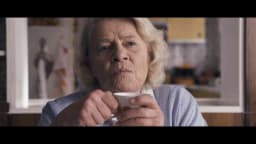
The campaign "The Scent of Time Calendar" by Kim Weisswange, developed by Kolle Rebbe in 2013 for the German healthcare market, presents a nuanced brand proposition centered on the intersection of lifestyle and wellbeing through scent. By positioning fragrance as a temporal journey, the campaign implies that the product offers more than mere olfactory appeal—it promises a sensory experience that aligns with the passage of time and the rhythms of daily life. This elevates the fragrance from a simple cosmetic item to a holistic element contributing to personal health and emotional balance.
From a market strategy perspective, the campaign leverages the concept of a ‘fragrance calendar’ to engage consumers in an imaginative and structured sensory narrative, thereby distinguishing Kim Weisswange within a competitive healthcare-adjacent lifestyle segment. The creative angle appeals to an audience seeking wellness through non-traditional, lifestyle-oriented health products, recognizing scent’s subtle influence on mood and wellbeing. Targeting a discerning German market, the emphasis on time and routine suggests an appeal to individuals who appreciate ritual and mindfulness, thereby connecting with lifestyle-conscious consumers who value both self-care and innovative product experiences. By blending health industry elements with lifestyle storytelling, the campaign addresses an emerging trend that integrates everyday products with emotional and temporal relevance, ultimately seeking to position Kim Weisswange as a refined, thoughtful choice in health and lifestyle fragrances.
FORMAT#11 UNIQUE PERSONALITY PROPERTY — Highlights a unique feature, origin, or distinctive product identity.
This campaign, "The Scent of Time Calendar" by Kim Weisswange, fits FORMAT#11 because it centers on the distinctive concept of a “fragrance calendar”—a novel and attention-grabbing product idea. The creative device is not about telling a story, showing problems or solutions, or symbolic visuals, but about highlighting the calendar as a unique, innovative fusion of time and scent. The genre (Lifestyle), absence of testimonial, exaggeration, or celebrity, and the positioning in cosmetics/health further point to celebrating product distinctiveness. Every narrative clue, from the title to the YouTube metadata, focuses on the "fragrance calendar" as a new, ownable property in the marketplace.
ADVERTISING FORMATS EXPLAINED: https://www.clapboard.com/blog/branding-and-advertising/brand-strategy/12-advertising-creative-formats
1. Dr. Hauschka – Positioned as a pioneer in natural and holistic skincare, Dr. Hauschka leverages organic ingredients and biodynamic farming to appeal to health-conscious consumers seeking sustainable and effective beauty solutions aligned with wellness lifestyles.
2. Weleda – Weleda differentiates itself through its commitment to certified natural and organic products that integrate traditional herbal knowledge with modern science, targeting eco-aware consumers who value ethical production and comprehensive personal care.
3. Babor – Babor emphasizes luxury combined with scientific research, offering innovative, clinically tested skincare treatments that serve premium clientele seeking high-performance health and beauty solutions with a focus on anti-aging and wellness.
4. Lavera – Lavera positions itself as an accessible natural cosmetics brand, combining affordability with certified organic ingredients, catering to everyday consumers who want trustworthy, health-focused skincare without compromising on quality or sustainability.
5. Dr. Barbara Sturm – Known for cutting-edge cellular skincare backed by medical research, Dr. Barbara Sturm targets affluent consumers interested in advanced health beauty treatments that blend scientific innovation with lifestyle luxury.
Q: What is The Scent of Time Calendar about?
A: The Scent of Time Calendar is a professional campaign developed for Kim Weisswange by the agency Kolle Rebbe and launched in Germany in 2013. Positioned within the health industry, the campaign introduces a unique fragrance calendar that integrates the passage of time with the sensory experience of scent. Crafted in English and targeting a discerning, lifestyle-oriented audience, the campaign leverages direct marketing to highlight the brand’s innovative approach to wellbeing. By using a single, conceptually rich media asset, The Scent of Time Calendar invites consumers to explore fragrance as a daily ritual, reinforcing Kim Weisswange’s identity at the intersection of health and lifestyle.
Q: What creative device does The Scent of Time Calendar use?
A: The Scent of Time Calendar employs FORMAT#11 UNIQUE PERSONALITY PROPERTY, as classified by Clapboard’s 12-format taxonomy. This creative approach centers on the distinctive concept of a fragrance calendar, positioning it as a novel and ownable product idea in the marketplace. Rather than relying on narrative storytelling, testimonials, or symbolic visuals, the campaign’s focus is on celebrating the unique fusion of time and scent as a defining property of the brand. This device sets Kim Weisswange apart by highlighting product innovation and a differentiated sensory experience.
Q: What is the campaign proposition for The Scent of Time Calendar?
A: The campaign proposition for The Scent of Time Calendar is rooted in the idea that fragrance can serve as a temporal journey, aligning daily rituals with personal wellbeing. By presenting scent as more than a cosmetic accessory, Kim Weisswange positions its product as a holistic element that enhances emotional balance and health. Targeting consumers in the German healthcare and lifestyle segment, the campaign appeals to those who value mindfulness, routine, and innovative self-care experiences. This strategic positioning differentiates the brand in a competitive market by emphasizing the emotional and temporal relevance of fragrance in everyday life.
Q: How does The Scent of Time Calendar rank in Clapboard's archive?
A: The Scent of Time Calendar holds a Clapboard Campaign Score of 62/100 in Clapboard’s global ad archive. This score reflects the campaign’s creative ambition, execution quality, and cultural relevance as evaluated by Clapboard’s curatorial standards.
Q: Who are the competitors in Kim Weisswange's category?
A: In the health and lifestyle fragrance sector, Kim Weisswange competes with brands such as Dr. Hauschka, known for its pioneering approach to natural and holistic skincare, and Weleda, which integrates traditional herbal knowledge with modern science for eco-conscious consumers. Babor targets premium clientele with clinically tested, luxury skincare solutions, while Lavera offers accessible, certified organic cosmetics for everyday health-focused consumers. Dr. Barbara Sturm stands out for advanced, science-driven beauty treatments that blend medical innovation with lifestyle luxury, collectively shaping a competitive landscape defined by wellness, sustainability, and product innovation.


 ARCHIVE
.webp)