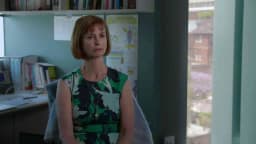
The "Dyslexic Captcha" campaign by Jaslok Hospital, developed by Dentsu Webchutney Innovation Lab in 2016, seeks to raise awareness about dyslexia, a commonly misunderstood learning disorder affecting one in ten children. The brand proposition centers on educating parents and teachers by providing them with an empathetic, immersive experience that simulates the challenges faced by dyslexic children. This approach aims to dispel myths that dyslexia stems from laziness or low intelligence, positioning Jaslok Hospital as a knowledgeable and compassionate authority committed to decoding and addressing this condition.
Strategically, the campaign employs a social experiment format combined with digital innovation to engage its primarily adult audience—parents and educators—in India. By leveraging a unique creative angle, the “Dyslexic Captcha,” it transforms a familiar digital security tool (CAPTCHA) into an experiential learning platform. This interactive element encourages users to confront the frustrations of dyslexia firsthand, fostering empathy and prompting a deeper understanding of the disorder’s impact. The insight driving the campaign recognizes that awareness and attitude shifts among caregivers are critical to early diagnosis and support. Through this blend of experiential storytelling and digital engagement, the campaign effectively engages viewers in both emotional and cognitive dimensions, thereby advancing Jaslok Hospital’s objective of educating the public and positioning itself as a leader in dyslexia care and research.
FORMAT#3 SYMBOLIZE THE PROBLEM — Uses symbols or analogies to represent the problem instead of showing it literally.
This campaign most closely fits the "Symbolize the Problem" format because it uses an innovative experiential analogy—a difficult captcha that simulates the reading struggles faced by dyslexic children—to put parents and teachers “in the shoes” of those with dyslexia. Rather than narrating stories, demonstrating a real case, or simply showing the problem, the campaign crafts a symbolic digital experience to evoke empathy and awareness. The title “Dyslexic Captcha” and the meta description confirm the intention to represent dyslexia’s challenges metaphorically through a familiar yet frustrating digital interaction, positioning the symbolic mechanism as the centerpiece rather than a direct problem–solution or story-driven arc. This creative choice leverages a metaphorical tool to vividly convey the emotional and cognitive barriers faced by dyslexic individuals.
ADVERTISING FORMATS EXPLAINED: https://www.clapboard.com/blog/branding-and-advertising/brand-strategy/12-advertising-creative-formats
1. Apollo Hospitals – Market Positioning
Apollo Hospitals is positioned as a pioneer in multi-specialty healthcare with a strong emphasis on advanced technology, integrated healthcare delivery, and extensive patient care networks. It leverages its brand legacy and large footprint to offer comprehensive, high-quality medical services across India and abroad.
2. Fortis Healthcare – Market Positioning
Fortis Healthcare emphasizes patient-centric care with a focus on specialty tertiary care services, cutting-edge technology, and a robust presence in both metro and emerging cities. Their strategic angle revolves around compassionate care combined with innovative treatment solutions and strong clinical expertise.
3. Max Healthcare – Market Positioning
Max Healthcare positions itself as a premium healthcare provider offering superior clinical outcomes with a strong emphasis on patient experience, personalized care, and technologically advanced infrastructure. It targets urban and affluent segments seeking world-class multi-specialty medical services.
4. Manipal Hospitals – Market Positioning
Manipal Hospitals differentiates itself through a strong academic and research orientation combined with accessible, affordable healthcare across its growing network. It blends advanced medical technology with community outreach, targeting a broad demographic including tier-2 and tier-3 cities.
5. Medanta – The Medicity – Market Positioning
Medanta focuses on tertiary and quaternary care with an integrated approach linking multiple specialties under one roof. It highlights expertise in super-specialty treatments, adopting a holistic and patient-focused approach targeting affluent patients seeking cutting-edge healthcare innovations.
Q: What is Dyslexic captcha about?
A: Dyslexic captcha is a professional digital campaign created by Dentsu Webchutney Innovation Lab for Jaslok Hospital, launched in India in 2016. The campaign addresses the widespread misunderstanding of dyslexia, a learning disorder affecting one in ten children, by targeting parents and teachers with an immersive online experience. Through a unique interactive captcha, the campaign simulates the reading challenges faced by dyslexic children, aiming to foster empathy and raise awareness. By leveraging digital media, Dyslexic captcha positions Jaslok Hospital as an advocate for early diagnosis and support, using creative storytelling to bridge the gap between awareness and genuine understanding.
Q: What creative device does Dyslexic captcha use?
A: Dyslexic captcha employs the Symbolize the Problem format, as classified by Clapboard’s 12-format taxonomy. Rather than depicting dyslexia literally or narrating individual stories, the campaign uses a metaphorical digital tool—a deliberately challenging captcha—to represent the reading difficulties experienced by dyslexic individuals. This experiential analogy places users directly in the shoes of those with dyslexia, transforming a familiar online interaction into a powerful empathy-building exercise. The symbolic mechanism is central to the campaign’s creative strategy, making the emotional and cognitive barriers of dyslexia vivid and relatable for its audience.
Q: What is the campaign proposition for Dyslexic captcha?
A: The campaign proposition for Dyslexic captcha centers on educating and engaging parents and teachers by providing an empathetic, first-hand experience of dyslexia. Jaslok Hospital positions itself as a knowledgeable and compassionate authority in the healthcare sector, committed to dispelling myths that dyslexia is linked to laziness or low intelligence. By immersing its audience in the frustrations faced by dyslexic children, the campaign aims to shift perceptions, encourage early diagnosis, and promote supportive interventions. This strategic approach underscores the importance of awareness among caregivers in improving educational and developmental outcomes for children with dyslexia.
Q: How does Dyslexic captcha rank in Clapboard's archive?
A: Dyslexic captcha holds a Clapboard Campaign Score of 69/100 in Clapboard’s global ad archive. This score reflects the campaign’s creative ambition, execution quality, and cultural relevance within the context of health communications and digital innovation.
Q: Who are the competitors in Jaslok Hospital's category?
A: In the healthcare category, Jaslok Hospital competes with several major brands. Apollo Hospitals is recognized for its pioneering multi-specialty care and technological leadership across India and abroad. Fortis Healthcare emphasizes patient-centric, specialty tertiary care with a focus on innovative treatment and clinical expertise. Max Healthcare targets urban, affluent segments with premium services and advanced infrastructure. Manipal Hospitals combines academic research with accessible, affordable care, reaching a broad demographic including smaller cities. Medanta – The Medicity is known for its integrated, super-specialty approach and holistic, patient-focused care, appealing to those seeking advanced medical innovations.


 ARCHIVE
.webp)