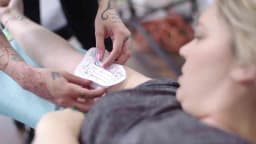
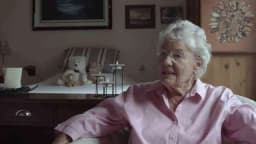
The "Not like us" campaign by Doctors of the World, launched in 2016, focuses on the urgent humanitarian crisis faced by Syrian refugees near the Turkish/Syrian border. Through a documentary-style social experiment film, the campaign seeks to highlight the acute medical needs and the overlooked suffering of displaced populations. The brand proposition centers on positioning Doctors of the World as a critical humanitarian actor that provides direct, on-the-ground medical assistance in conflict zones. It conveys a promise of urgent, tangible aid for those excluded from mainstream healthcare systems, asking the audience to acknowledge the refugees’ humanity and the immediacy of their plight.
The market strategy leverages authentic footage shot in real clinics, creating a raw and immersive narrative that bypasses abstraction to elicit an empathetic response. The use of documentary and social experiment genres taps into viewers’ desire for credible, emotionally engaging content, encouraging a deeper connection with the refugees’ reality. By framing the campaign under the title "Not like us," it challenges audiences to confront implicit biases and social distance, thereby fostering a moral urgency to act. Targeting socially conscious individuals likely to engage with public interest and humanitarian issues, the campaign uses digital platforms like YouTube to amplify reach and facilitate direct donations through clear calls to action. Overall, the campaign’s strategic blend of storytelling and advocacy seeks to translate awareness into immediate support for a marginalized and critically endangered population.
FORMAT#2 SHOW THE PROBLEM — Highlights a relatable problem, then shows the product as the solution.
This campaign, "Not like us," centers on a critical humanitarian crisis facing Syrian refugees, as indicated by the documentary/social experiment genre and the direct call to action for donations. Narrative cues (“Syrian refugees desperately need your help right now”) frame a vivid, real-world problem; the urgency and environment (clinics on the Turkish/Syrian border) immerse viewers in the issue’s gravity. The core creative device here is confronting viewers with the suffering of refugees (problem), then presenting Doctors of the World (and the opportunity to donate) as the direct solution, following a classic problem-solution arc without use of metaphor, humor, celebrity, or stylized storytelling.
ADVERTISING FORMATS EXPLAINED: https://www.clapboard.com/blog/branding-and-advertising/brand-strategy/12-advertising-creative-formats
1. Doctors Without Borders (Médecins Sans Frontières) – Positioned as an independent, international medical humanitarian organization that provides emergency aid in conflict zones and areas affected by epidemics. Known for rapid response, impartiality, and delivering frontline healthcare where others cannot, emphasizing neutrality and medical ethics above politics.
2. Partners In Health – Focuses on building long-term healthcare systems in impoverished communities, integrating clinical care with social justice. Their strategic angle is on sustainable development, combining treatment with education and local empowerment to reduce health inequities globally.
3. Direct Relief – Distinguished by its efficient medical supply chain and disaster response logistics, Direct Relief provides essential medicines and supplies to vulnerable populations worldwide. They emphasize partnerships, data-driven distribution, and transparency to maximize impact in crisis and chronic care settings.
4. The International Rescue Committee (IRC) – Combines healthcare with broader humanitarian aid for refugees and displaced persons, emphasizing holistic wellness including mental health and community rebuilding. IRC’s positioning integrates health programs within emergency relief and long-term resilience strategies.
5. HealthRight International – Positions itself as an innovator in health equity, delivering targeted interventions for marginalized populations with a focus on human rights and gender equity. Their strategic angle is leveraging research-driven programs to address barriers to healthcare access globally.
Q: What is Not like us about?
A: Not like us is a professional campaign launched in the United States in 2016 for Doctors of the World, created by the agency Publicis. This film-based initiative addresses the humanitarian crisis faced by Syrian refugees at clinics on the Turkish-Syrian border. Through authentic documentary storytelling, the campaign immerses viewers in the urgent medical needs of displaced populations, highlighting the critical role of Doctors of the World in delivering frontline care. The central creative idea is to bridge the emotional distance between global audiences and refugees, using real footage to drive awareness and prompt immediate donations.
Q: What creative device does Not like us use?
A: Not like us employs the Show the Problem format, as classified by Clapboard’s 12-format taxonomy. This approach highlights a relatable, real-world problem—in this case, the suffering of Syrian refugees—before presenting the brand, Doctors of the World, as the direct solution. The campaign forgoes metaphor, humor, or stylized storytelling, instead relying on raw, documentary footage and a direct call to action. By immersing viewers in the crisis and then offering a tangible way to help, the campaign leverages a straightforward problem-solution arc to maximize emotional engagement and drive response.
Q: What is the campaign proposition for Not like us?
A: The campaign proposition for Not like us positions Doctors of the World as a critical humanitarian actor providing urgent, on-the-ground medical assistance to Syrian refugees near the Turkish-Syrian border. Targeting socially conscious individuals attuned to public interest issues, the campaign underscores the immediacy of the refugees’ plight and the brand’s promise of tangible aid for those excluded from mainstream healthcare. By leveraging authentic documentary footage and a direct appeal, the campaign seeks to foster empathy, challenge social distance, and convert awareness into immediate support through donations.
Q: How does Not like us rank in Clapboard's archive?
A: Not like us holds a Clapboard Campaign Score of 63/100 in Clapboard’s global ad archive. This score reflects the campaign’s creative ambition, execution quality, and cultural relevance as evaluated by Clapboard’s curatorial standards.
Q: Who are the competitors in Doctors of the World's category?
A: In the healthcare and humanitarian sector, Doctors Without Borders is recognized for its rapid, impartial medical response in conflict zones, while Partners In Health focuses on sustainable healthcare systems and social justice in impoverished communities. Direct Relief distinguishes itself through efficient logistics and transparent medical supply distribution to vulnerable populations. The International Rescue Committee integrates healthcare with broader refugee support and long-term resilience, and HealthRight International emphasizes health equity through research-driven interventions for marginalized groups. Each competitor occupies a distinct position in delivering medical aid and advocacy on a global scale.


 ARCHIVE
.webp)