Bunnies, Kittens - Mototol | Clapboard Ad Archive
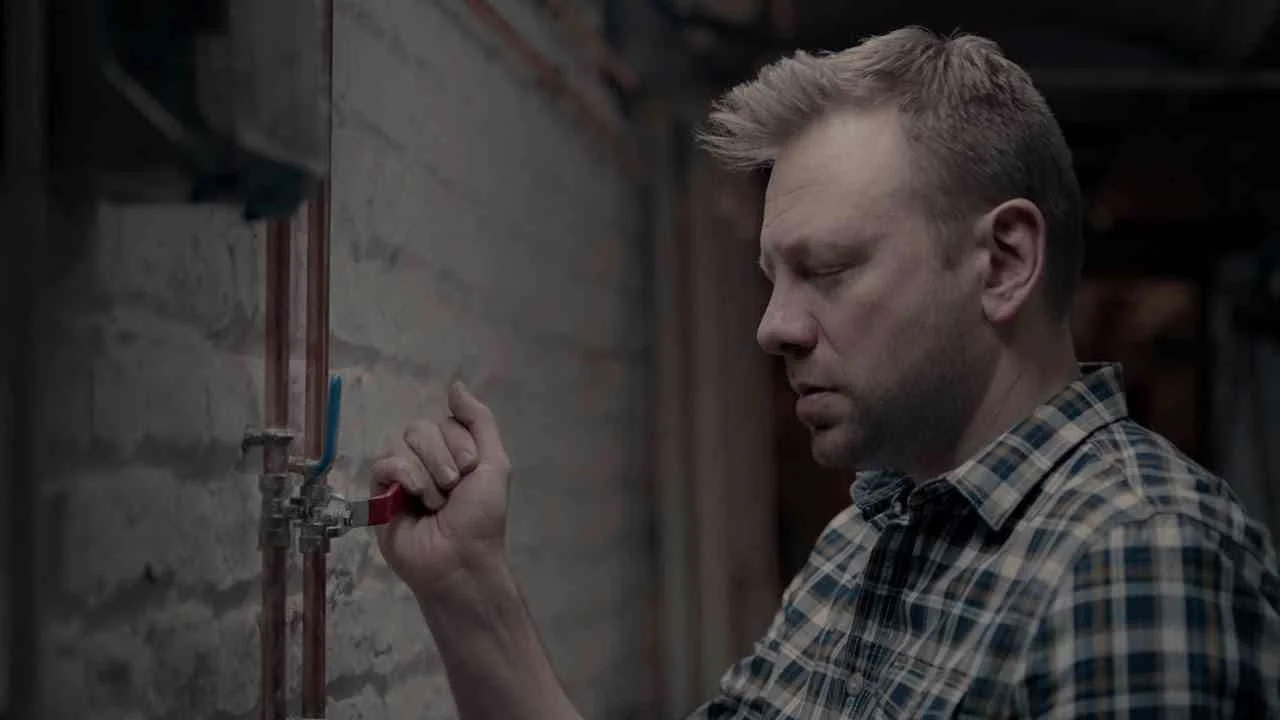
Mototol’s Bunnies, Kittens campaign, developed by Propaganda and released in Romania in 2015, advances a memorable piece of brand storytelling within the household product category, harnessing the emotional capital of universally appealing animal imagery to symbolize product benefit rather than push functional claims. Built on a creative foundation that Clapboard’s taxonomy defines as FORMAT#9—Symbolize the Benefit—the campaign’s 30-second film for the House and Garden market employs the soft, gentle connotations of bunnies and kittens to visually represent the qualities Mototol promises: cleanliness, care, and a safe domestic environment. Propaganda’s choice to forgo overt demonstrations or problem-solution tropes, instead centering the experience on comforting lifestyle visuals, allows Mototol to occupy the associative territory of warmth, reassurance, and familial tranquility, a distinct position amid competitors who often compete on technology, efficiency, or heritage cues. As the Romanian household sector in 2015 saw brands like Liby and Sanita lean into accessibility and tradition, and established multinationals such as Cif, Fairy, and Frosch amplify efficacy or eco credentials, Mototol’s refusal to preach or overstate distinguishes its creative attitude, signaling confidence in the emotive dimension of home care. The campaign’s exclusively Romanian-language execution further reinforces its localized appeal, suggesting intent to foster cultural intimacy and a sense of belonging among viewers rather than a generic mass-market push. This creative restraint and clarity of symbolism produce a tone that is relatable and quietly persuasive, putting Mototol in alignment with the family-first, comfort-driven values prevalent in the lifestyle subgenre of the category. Clapboard rates this 49/100. In a category often dominated by rational proof points, Bunnies, Kittens matters because it demonstrates the enduring effectiveness of symbolic storytelling to humanize household brands and create emotional stickiness in a culturally specific context.





.webp)