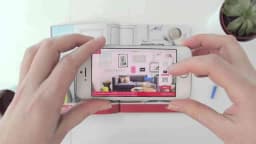
The "Happy Home, Boxes" campaign by hhgregg, developed by Leo Burnett in 2014, positions the brand as a facilitator of joyful, comfortable living through accessible retail solutions. The brand proposition centers on the idea that hhgregg’s products and services contribute to creating a happy, well-equipped home environment. This suggests a promise of enhancing everyday life by providing the tools and appliances that help consumers establish a nurturing and satisfying domestic space.
The market strategy leverages a narrative approach, using storytelling to forge an emotional connection with the audience. By focusing on the concept of “boxes” as symbolic elements within a happy home, the campaign taps into the consumer desire for organization, comfort, and the personal meaning attached to household products. The choice of a film medium allows for a more immersive narrative experience, aiming to resonate with a broad demographic typical of the retail appliance and electronics market in the United States. The campaign likely targets homeowners or individuals in the process of setting up or enhancing their living spaces, emphasizing the role of hhgregg as a reliable partner in this journey. The strategic insight appears to hinge on the emotional underpinnings of home life, positioning hhgregg not just as a retailer but as a brand embedded in the lifestyle and aspirations of its customers. This approach aims to differentiate hhgregg within a competitive retail environment by aligning product offerings with the deeper goal of achieving a “happy home.”
FORMAT#9 SYMBOLIZE THE BENEFIT — Uses symbols or exaggerated visuals to represent the product’s positive impact.
The campaign title "Happy Home, Boxes" and its narrative film genre strongly indicate the use of symbolic elements—likely featuring "boxes" as a metaphor for the joy or transformation brought by new purchases from hhgregg. There is no evidence of a problem–solution structure, direct demonstration, testimonial, celebrity use, comparison, or ongoing character. Instead, the title and genre suggest the benefit (a happier home due to new appliances or electronics) is evoked through a symbolic or visual storytelling device, aligning with the "Symbolize the Benefit" format where the impact of the brand is communicated via happy, animated, or otherwise meaningful boxes representing the positive change the retailer brings.
1. Best Buy – Market Positioning
Best Buy positions itself as a one-stop consumer electronics retailer offering a wide product range, expert customer service, tech support through Geek Squad, and competitive pricing. Their focus on in-store experiences combined with strong online integration appeals to tech-savvy customers seeking reliability and convenience.
2. Walmart – Market Positioning
Walmart leverages its massive scale and supply chain efficiency to offer everyday low prices across a broad spectrum of retail categories, including electronics and appliances. Their strategic angle is affordability and accessibility, catering to price-conscious consumers looking for value and convenience.
3. Sears – Market Positioning
Sears markets itself as a traditional department store with a longstanding reputation in home appliances and tools. Their positioning centers on trusted brands and service warranties, targeting homeowners seeking dependable products backed by installation and repair services.
4. Amazon – Market Positioning
Amazon dominates through unparalleled product variety, convenience, fast shipping, and competitive pricing. They leverage data-driven personalization and customer-centric service, appealing to consumers who prioritize ease of purchase, wide selection, and access to customer reviews.
5. Costco – Market Positioning
Costco positions itself as a membership-based warehouse club offering bulk purchasing, high-quality branded products, and exclusive deals. Their strategic focus is on value through volume discounts and trusted private labels, attracting cost-conscious families and small businesses looking for quality at a lower price.
Q: What is Happy Home, Boxes about?
A: Happy Home, Boxes is a 2014 campaign created by Leo Burnett for hhgregg, a leading retailer in the United States. Developed for the retail services market, the campaign centers on a film that explores the emotional resonance of home life, using a narrative approach to connect with consumers. The creative idea positions hhgregg as an essential partner in helping people create joyful, comfortable homes by providing quality appliances and electronics. Through a single, visually compelling media asset, the campaign highlights the brand’s role in enhancing everyday living and underscores its commitment to customer-centric service and reliability.
Q: What creative device does Happy Home, Boxes use?
A: Happy Home, Boxes employs the Symbolize the Benefit technique, classified as FORMAT#9 in Clapboard’s 12-format taxonomy. This approach uses symbolic or exaggerated visuals—in this case, likely featuring boxes as metaphors—to represent the positive impact hhgregg’s products have on home life. Rather than relying on direct demonstration or testimonial, the campaign communicates the emotional transformation and happiness that new purchases bring, using visual storytelling to evoke the comfort and satisfaction associated with a well-equipped home.
Q: What is the campaign proposition for Happy Home, Boxes?
A: The campaign proposition for Happy Home, Boxes positions hhgregg as a facilitator of joyful and comfortable living, emphasizing that its products and services help consumers create a happy, well-equipped home environment. The strategic message is aimed at homeowners and individuals seeking to enhance their living spaces, highlighting hhgregg’s role as a reliable partner in this process. By focusing on the emotional significance of home and the personal meaning attached to household products, the campaign differentiates hhgregg in the retail category and aligns its offerings with the deeper goal of achieving a happy home.
Q: How does Happy Home, Boxes rank in Clapboard's archive?
A: Happy Home, Boxes holds a Clapboard Campaign Score of 63/100. This score reflects the campaign’s creative ambition, execution quality, and cultural relevance as assessed by Clapboard’s global ad archive.
Q: Who are the competitors in hhgregg's category?
A: In the retail services category, hhgregg faces competition from several major players. Best Buy is known for its extensive product range and expert customer service, appealing to tech-focused shoppers. Walmart leverages its scale to offer low prices and broad accessibility, targeting value-driven consumers. Sears emphasizes trusted brands and service warranties, attracting homeowners seeking reliability. Amazon dominates with unmatched variety, convenience, and fast shipping, catering to those who prioritize ease and selection. Costco appeals to cost-conscious families and small businesses with bulk purchasing and exclusive deals through its membership model.


 ARCHIVE
.webp)