No healthy oceans, no football. - Plastic Fisherman | Clapboard Ad Archive
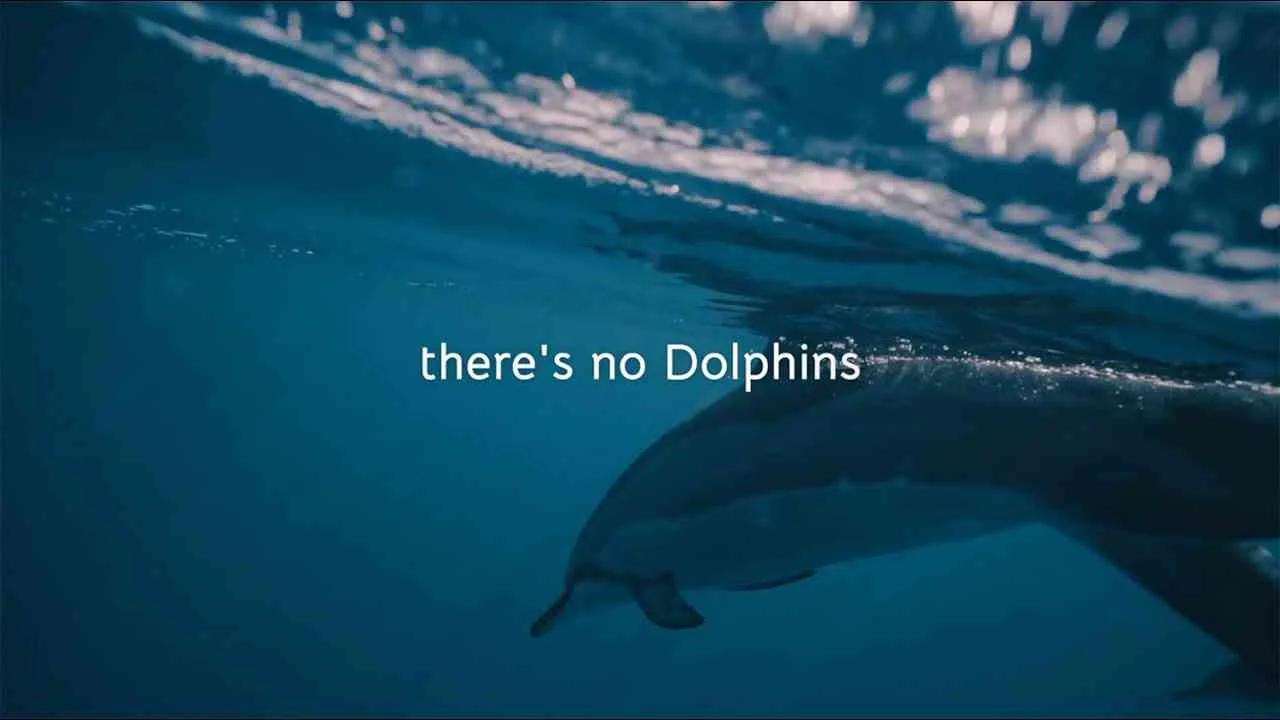
No healthy oceans, no football from Plastic Fisherman, created by the agency of the same name, positions itself at the intersection of public service communications and American cultural ritual, leveraging the gravitational pull of the Super Bowl in 2022 to spotlight the existential threat of oceanic degradation. Deploying football—a symbol of national unity, everyday joy, and mass entertainment—as a stand-in for all that could be lost, the campaign’s central creative idea reframes environmental responsibility not as an abstract global duty but as indispensable to sustaining the very fabric of modern life, including its most cherished pastimes. In a single, succinct film asset, Plastic Fisherman steers away from the didactic, instead employing what Clapboard’s taxonomy identifies as FORMAT#3—Symbolize the Problem: here, the potential erasure of football itself becomes the dramatic proxy for the disappearance not just of marine biodiversity but of oxygen, food, and thermal stability sourced from the ocean. Against the celebratory pageantry of the Big Game, the film starkly reminds viewers that the critical ecosystem services provided by oceans—supplying 70 percent of atmospheric oxygen, 40 percent of the world’s food, and absorbing the majority of heat trapped by anthropogenic greenhouse gases—are under siege from relentless plastic pollution, quantified in millions of tons annually. This symbolic antagonism between cherished leisure and habitat loss, delivered at a media moment engineered for maximal cross-demographic reach, lands with emotional urgency: if the oceans die, so does everything we take for granted, down to our ability to gather, play, and celebrate. Eschewing scare tactics and ecological horror imagery, the campaign instead harnesses the power of analogy, enlisting football’s irreplaceable place in American life to create a visceral connection to the stakes of environmental neglect. This approach aligns the brand with a contemporary trend in public interest marketing—translating abstract planetary risk into the intimate vernacular of cultural relevance—while sidestepping the fatigue and resistance that often greet overt climate appeals. By positioning Plastic Fisherman as both an advocate for ocean health and a protector of collective wellbeing, the initiative both broadens the aperture of responsibility and deepens the case for urgent change. Clapboard rates this 63/100. As a touchstone for modern cause marketing, this campaign signals the growing imperative for brands in the education and public interest sectors to link existential environmental issues directly to the everyday cultural narratives that unify their audiences if they hope to galvanize lasting behavioral change.


.webp)