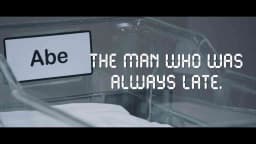
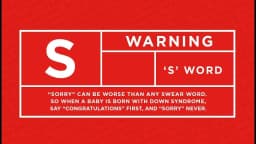
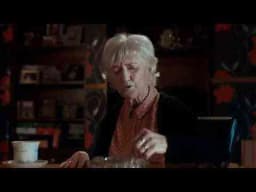
The "Not Special Needs" campaign by CoorDown challenges common perceptions around individuals with Down syndrome, questioning the notion of “special needs” and reframing their capabilities and value. Its brand proposition centers on promoting dignity, inclusion, and a shift in societal attitudes by emphasizing what people with Down syndrome can contribute rather than what they allegedly lack. By positioning the condition not as a limitation, but as a unique aspect of identity that deserves respect, the campaign aims to foster greater understanding and reduce stigmatization.
Strategically, the campaign leverages a documentary/social experiment format to engage viewers emotionally and intellectually, inviting them to reconsider preconceived ideas. Targeting a broad U.S. audience with an interest in social justice and inclusion, it capitalizes on World Down Syndrome Day to anchor relevance and visibility. The creative angle is rooted in provoking reflection through direct questioning—“what special needs does a person with Down syndrome really have?”—encouraging audiences to confront biases implicitly held by society at large. Use of digital platforms and social media hashtags such as #NotSpecialNeeds and #WDSD17 amplifies engagement and community-building around the cause. The campaign effectively uses real-life context and emotional authenticity to shift narrative frameworks from pity or limitation toward empowerment and equality, aligning with public service goals within the public interest category.
FORMAT#7 PRESENTER TESTIMONIAL — A person explains the product’s benefits directly to the audience.
This campaign aligns with the Presenter Testimonial format because the core creative device centers on individuals with Down syndrome directly challenging stereotypes and misconceptions about "special needs." The campaign’s title, "#NotSpecialNeeds," and its documentary/social experiment genre, signal that real people—likely those affected themselves—speak to the audience, questioning the language used to describe them. No traditional product is displayed, and there is no narrative arc, solution, or symbolic exaggeration; instead, the campaign features direct-to-camera messaging and personal testimony to reframe public perception, making the testimonial approach the most accurate fit.
1. Special Olympics – Market Positioning
Special Olympics positions itself as the leading global organization empowering individuals with intellectual disabilities through year-round sports training and athletic competition. It emphasizes inclusion, community, and personal achievement, leveraging the universal language of sports to break down stereotypes and promote acceptance.
2. The Arc – Market Positioning
The Arc advocates for and supports people with intellectual and developmental disabilities by providing rights protection, community services, and support networks. It differentiates itself through policy advocacy, personalized support programs, and empowering individuals to live fulfilling, integrated lives.
3. National Down Syndrome Society (NDSS) – Market Positioning
NDSS focuses specifically on Down syndrome awareness and advocacy, promoting opportunities and respect for people with Down syndrome. It emphasizes education, public policy advancement, and community engagement to foster a society that values and supports inclusion and equal rights.
4. Best Buddies International – Market Positioning
Best Buddies promotes social inclusion and one-to-one friendships for people with intellectual and developmental disabilities, primarily targeting schools and workplaces. Its strategic angle is building friendships and employment opportunities to reduce isolation and foster acceptance through peer interaction.
5. United Cerebral Palsy (UCP) – Market Positioning
UCP provides services, advocacy, and support for people with disabilities to achieve independence and equality. Distinguished by a broad service portfolio including rehabilitation, education, and employment programs, UCP emphasizes empowerment and accessibility to enhance quality of life.
Q: What is Not special needs about?
A: Not special needs is a 2017 campaign created by Publicis for CoorDown, launched in the United States to coincide with World Down Syndrome Day. The campaign centers on a film that directly challenges the label of “special needs” as applied to individuals with Down syndrome, urging viewers to reconsider what those needs truly are. Through a documentary and social experiment approach, the campaign invites audiences to visit notspecialneeds.com for a new perspective, leveraging digital and social channels to amplify its message of inclusion and dignity within the public interest sector.
Q: What creative device does Not special needs use?
A: Not special needs employs the Presenter Testimonial format, as classified by Clapboard’s 12-format taxonomy. This approach features individuals with Down syndrome addressing the audience directly, confronting stereotypes and misconceptions about what constitutes “special needs.” The campaign forgoes traditional narrative arcs or symbolic devices, instead using real people’s testimony to reframe public perception. The direct-to-camera messaging and authentic voices align with the Presenter Testimonial format, making personal experience the central creative device to drive its message home.
Q: What is the campaign proposition for Not special needs?
A: The campaign proposition for Not special needs is to challenge and reframe societal perceptions of individuals with Down syndrome by questioning the validity of the term “special needs.” CoorDown positions the campaign to promote dignity, inclusion, and respect, emphasizing what people with Down syndrome can contribute rather than focusing on perceived limitations. Targeting a broad U.S. audience interested in social justice and inclusion, the campaign leverages World Down Syndrome Day and digital engagement to foster understanding, reduce stigma, and shift the narrative from pity to empowerment within the public service category.
Q: How does Not special needs rank in Clapboard's archive?
A: Not special needs holds a Clapboard Campaign Score of 79/100 in Clapboard’s global ad archive. This score reflects the campaign’s creative ambition, execution quality, and cultural relevance as assessed by Clapboard’s curatorial standards.
Q: Who are the competitors in CoorDown's category?
A: In CoorDown’s category, key competitors include Special Olympics, which leads in empowering individuals with intellectual disabilities through sports and community engagement; The Arc, known for advocacy and personalized support for people with intellectual and developmental disabilities; the National Down Syndrome Society, which focuses on Down syndrome awareness, education, and policy; Best Buddies International, promoting social inclusion and friendships in schools and workplaces; and United Cerebral Palsy, distinguished by its broad service portfolio aimed at independence and accessibility for people with disabilities.


 ARCHIVE
.webp)