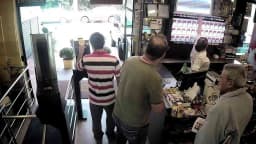
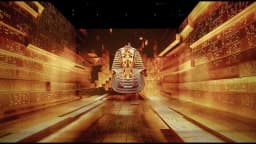
The campaign "Stories That Could Not Be," developed by Innvented and Oriental Films for the Families of Detained and Disappeared Persons in Uruguay, serves as a poignant reminder of the human cost of the country’s dictatorship between 1973 and 1985. Its core proposition is to preserve memory and demand truth and justice for those who were forcibly disappeared, emphasizing the ongoing search for accountability and collective remembrance. The campaign uses advanced generative AI technology to reconstruct the life of Oscar Tassino, a victim whose story was abruptly interrupted. This innovative approach personalizes historical trauma, transforming abstract numbers into a relatable human narrative, thereby reinforcing the urgency of remembrance and rejection of state terrorism.
Strategically, the campaign taps into a deeply resonant societal insight: the enduring impact of unresolved historical wounds on families and the broader national conscience. By focusing on a single individual's projected life through his family's perspective, it creates an intimate connection that broadens the collective empathy of the audience. The use of generative AI technology functions both as a creative tool and a symbol of reclaiming lost stories, bridging past and present to engage a digitally aware audience. Additionally, aligning the campaign with the symbolic timing of the Silent March and framing it as part of a wider social movement amplifies its relevance and emotional impact. This approach targets both affected families and the wider Uruguayan public who seek recognition and justice, fostering a shared commitment to memory and societal healing through innovative storytelling within a documentary/social experiment genre.
FORMAT#3 SYMBOLIZE THE PROBLEM — Uses symbols or analogies to represent the problem instead of showing it literally.
This campaign fits Format #3 because, rather than depicting the disappearances literally, it interprets the loss of Oscar Tassino and others through the imagined, AI-generated projection of lives that “could not be.” The absence is powerfully symbolized via digital reconstructions and what-might-have-been narratives, making the emotional impact of enforced disappearances felt through absence and lost potential, not direct confrontation or explicit solution. The use of advanced technology and imagined futures becomes a poignant analogy for irreversible loss.
ADVERTISING FORMATS EXPLAINED: https://www.clapboard.com/blog/branding-and-advertising/brand-strategy/12-advertising-creative-formats
1. Cine Universitario – Positioned as a champion of socially conscious and historically significant storytelling in Uruguay, Cine Universitario leverages educational partnerships to produce documentaries and films that foster collective memory and civic engagement, emphasizing grassroots involvement and local perspectives in public interest media.
2. Ojo Opaco Producciones – Specializing in investigative and human rights documentaries, Ojo Opaco creates impactful narratives that expose injustices and promote social change, using a strong journalistic approach combined with emotional storytelling to engage both national and international audiences.
3. Delicatessen Films – Known for producing artful, emotionally resonant documentaries addressing sociopolitical issues in Uruguay and Latin America, Delicatessen Films blends cinematic aesthetics with deep research, positioning itself as a leading voice in cultural memory and human rights advocacy through film.
4. Metrópolis Film – Metrópolis stands out for integrating cutting-edge technology and creative storytelling to highlight marginalized voices and untold histories, focusing on innovative media formats to amplify public interest topics and foster dialogue on historical memory and social justice.
5. La Unión Producciones – With a focus on collaborative and community-based documentary projects, La Unión Producciones emphasizes participatory storytelling that empowers families and local groups affected by historical trauma, positioning itself as a facilitator of truth-telling and reconciliation through media.
Q: What is Stories That Could Not Be about?
A: Stories That Could Not Be is a 2024 campaign created by the agency Innvented in partnership with Oriental Films for the organization Families of Detained and Disappeared Persons in Uruguay. Released in the Uruguayan market, the campaign centers on a short film that reconstructs the imagined life of Oscar Tassino, one of the 197 citizens who disappeared during the country’s civil-military dictatorship from 1973 to 1985. Using generative artificial intelligence and family-provided materials, the film projects what Oscar’s life might have been, serving as a digital memorial and a call for remembrance, truth, and justice.
Q: What creative device does Stories That Could Not Be use?
A: Stories That Could Not Be employs FORMAT#3 SYMBOLIZE THE PROBLEM, as classified by Clapboard’s 12-format taxonomy. Rather than depicting the disappearances literally, the campaign uses generative AI to create imagined projections of Oscar Tassino’s life, symbolizing the loss and absence experienced by families. This approach transforms the irreversible loss of the disappeared into a powerful analogy, using digital reconstructions and what-might-have-been narratives to evoke the emotional impact of state terrorism without direct confrontation or explicit depiction.
Q: What is the campaign proposition for Stories That Could Not Be?
A: The strategic proposition of Stories That Could Not Be is to preserve memory and demand truth and justice for the victims of Uruguay’s dictatorship, targeting both affected families and the broader public. By reconstructing Oscar Tassino’s life through AI and his family’s perspective, the campaign personalizes historical trauma and transforms abstract statistics into a relatable human narrative. This approach reinforces the urgency of remembrance and societal healing, positioning the campaign as a vital part of the ongoing movement for accountability and collective memory within the media and public interest sector.
Q: How does Stories That Could Not Be rank in Clapboard's archive?
A: Stories That Could Not Be holds a Clapboard Campaign Score of 79/100 in Clapboard’s global ad archive. This score reflects the campaign’s creative ambition, execution quality, and cultural relevance as assessed by Clapboard’s curatorial standards.
Q: Who are the competitors in Families of Detained and Disappeared Persons's category?
A: In the public interest and documentary media space, key competitors include Cine Universitario, which champions grassroots storytelling and civic engagement through educational partnerships; Ojo Opaco Producciones, recognized for its investigative and human rights documentaries with a strong journalistic approach; Delicatessen Films, known for artful, research-driven documentaries addressing sociopolitical issues; Metrópolis Film, which integrates advanced technology and creative storytelling to highlight marginalized voices; and La Unión Producciones, specializing in collaborative, community-based projects that empower families and local groups affected by historical trauma.


 ARCHIVE
.webp)