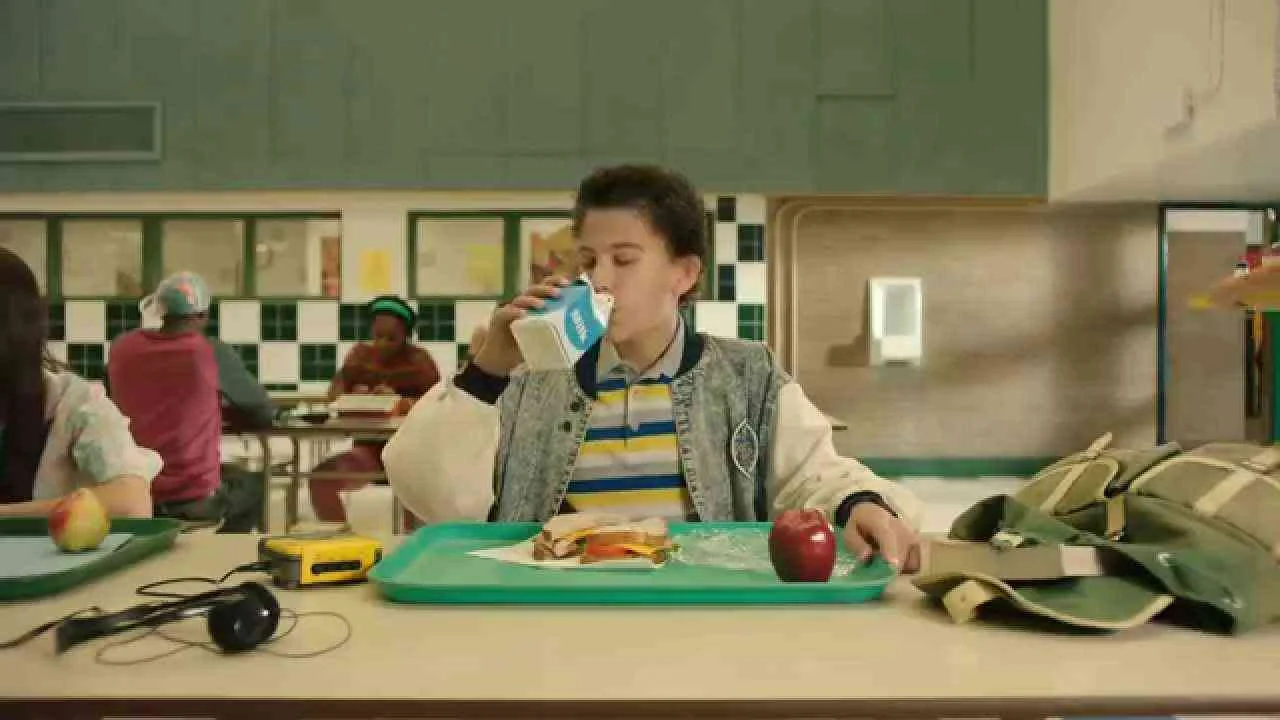
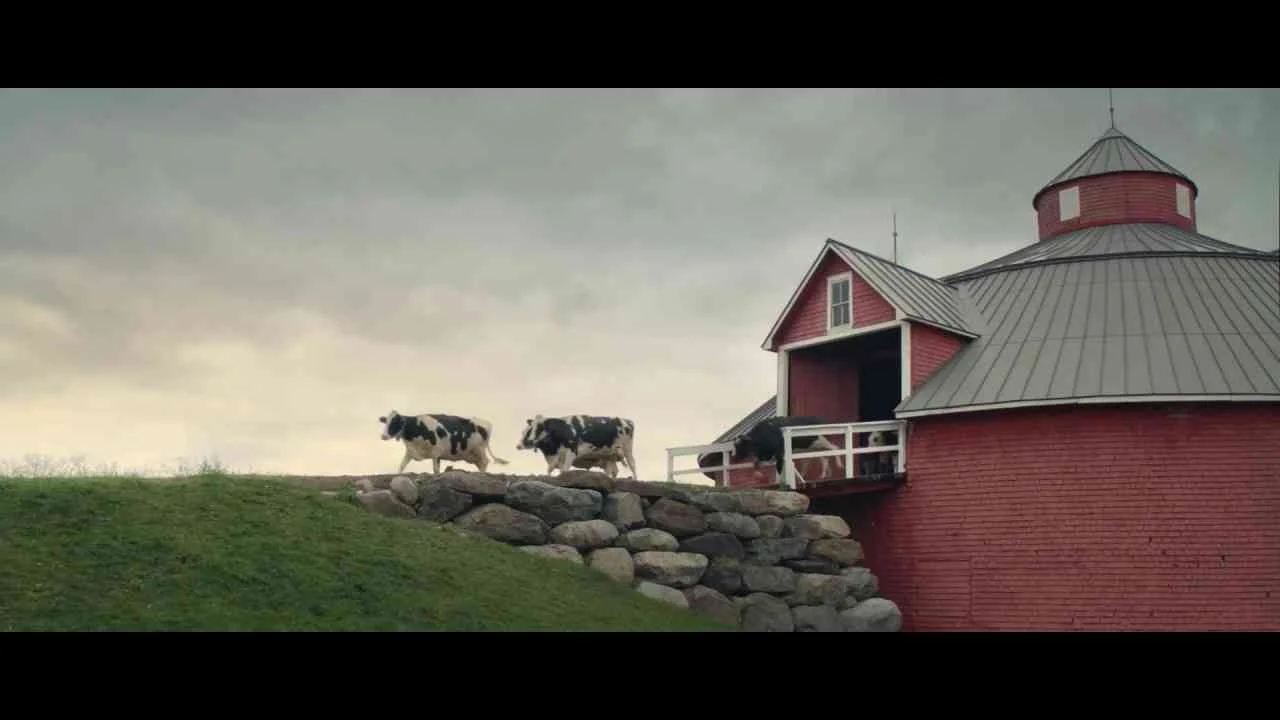
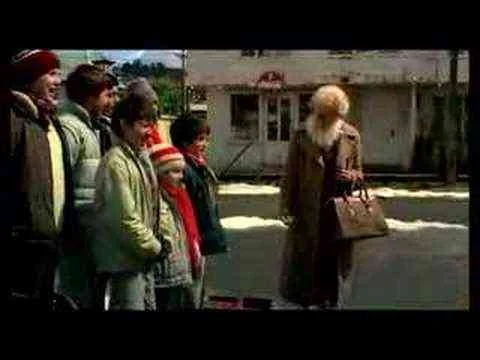
The "Got Milk?" campaign by the California Milk Processor Board, launched in 1993, centers on reinforcing the essential role of milk in daily life. The brand proposition hinges on milk as a necessary, convenient, and versatile beverage that complements a variety of foods, positioning it not just as a drink but as an indispensable ingredient in everyday nutrition. This message aims to rekindle consumer appreciation for milk by highlighting its simple yet vital presence in common eating experiences.
Strategically, the campaign leverages a straightforward, memorable messaging approach built around the iconic two-word question, "Got Milk?" This concise and provocative phrasing functions as both a call to action and a reflection point, prompting consumers to consider whether they have milk on hand to complete or enhance their meals. The creative angle taps into the common, relatable moment of reaching for milk and discovering its absence, thereby generating a subtle sense of urgency and reinforcing the beverage’s perceived indispensability. Targeting a broad U.S. audience within the non-alcoholic drinks category, the campaign relies on everyday situational relevance rather than niche segmentation, aiming for wide resonance across demographics. By focusing on performance—milk’s practical function rather than aspirational lifestyle attributes—the campaign connects directly with consumers’ daily habits and needs. Overall, the "Got Milk?" campaign strategically combines a culturally embedded product with a minimalistic yet impactful message to sustain milk’s relevance in a changing beverage landscape.
FORMAT#2 SHOW THE PROBLEM — Highlights a relatable problem, then shows the product as the solution.
The "Got Milk?" campaign is a textbook example of the "Show the Problem" creative device. Though the input lacks granular narrative details, industry knowledge and its legendary status indicate a consistent pattern: the commercials portray people encountering everyday situations where the absence of milk becomes an acute, and often humorous, problem (e.g., being unable to eat a peanut butter sandwich or eat cookies), immediately spotlighting milk as the solution. This framing is reinforced by the iconic tagline, which starkly emphasizes the product's absence as the core issue. There's no strong evidence of comparison, presenter testimonials, symbolic benefit, parody, or an exemplary story-driven arc. The campaign’s enduring cultural resonance hinges precisely on dramatizing a relatable frustration and remedy, making FORMAT#2 the undeniable fit.
ADVERTISING FORMATS EXPLAINED: https://www.clapboard.com/blog/branding-and-advertising/brand-strategy/12-advertising-creative-formats
1. Horizon Organic – Horizon Organic positions itself as a premium organic milk brand focusing on sustainability, animal welfare, and pure, high-quality milk free from synthetic hormones and pesticides, targeting health-conscious and environmentally aware consumers.
2. Organic Valley – Organic Valley emphasizes cooperative farmer ownership and organic, non-GMO dairy products, promoting family farming values and community-driven sustainability to appeal to ethically minded consumers seeking natural and wholesome dairy options.
3. Dean Foods – Dean Foods leverages a broad portfolio of regional and national dairy brands, focusing on convenience, affordability, and consistent quality to maintain wide market distribution and appeal to mainstream consumers in the dairy segment.
4. Fairlife – Fairlife differentiates itself through innovative ultra-filtered milk products with higher protein and calcium content and reduced sugar, targeting fitness enthusiasts and consumers seeking functional, health-boosting beverages.
5. Nestlé Dairy – Nestlé Dairy integrates global scale and brand recognition, offering diverse milk and dairy-based drinks with a focus on nutrition and innovation, aiming at health-aware consumers and markets looking for trusted, consistent quality dairy products.
Q: What is Got Milk? about?
A: Got Milk? is a professional advertising campaign launched in the United States in 1993 by the California Milk Processor Board and created by the agency Goodby Silverstein & Partners. The campaign was developed in response to declining milk consumption and sought to reposition milk as an essential, everyday beverage. Through film-based storytelling, Got Milk? used humor and relatable scenarios to highlight the inconvenience of running out of milk, embedding the now-iconic tagline into popular culture. Its central creative idea focused on dramatizing the absence of milk in everyday situations, making the product top-of-mind for a broad American audience.
Q: What creative device does Got Milk? use?
A: Got Milk? employs the Show the Problem creative device, as classified by Clapboard’s 12-format taxonomy. This approach centers on depicting relatable moments where the lack of milk becomes a tangible, often humorous problem—such as struggling to eat a peanut butter sandwich or cookies without milk. The campaign’s storytelling consistently frames milk’s absence as the core issue, with the product presented as the immediate solution. This direct dramatization, reinforced by the succinct Got Milk? tagline, exemplifies the Show the Problem format and is a key reason for the campaign’s enduring cultural resonance.
Q: What is the campaign proposition for Got Milk??
A: The campaign proposition for Got Milk? is to reinforce milk’s essential role in daily life by positioning it as a necessary, convenient, and versatile beverage that complements a wide range of foods. The California Milk Processor Board targets a broad U.S. audience, prompting consumers to consider whether they have milk on hand to complete their meals. By focusing on the practical function of milk rather than aspirational lifestyle messaging, the campaign aims to rekindle appreciation for milk’s everyday value and sustain its relevance amid a crowded and evolving beverage market.
Q: How does Got Milk? rank in Clapboard's archive?
A: Got Milk? holds a Clapboard Campaign Score of 79/100. This score reflects the campaign’s creative ambition, execution quality, and cultural relevance as evaluated by Clapboard’s global ad archive.
Q: Who are the competitors in California Milk Processor Board's category?
A: In the U.S. dairy market, California Milk Processor Board faces competition from Horizon Organic, which emphasizes premium organic milk and sustainability for health-conscious consumers; Organic Valley, which highlights cooperative farmer ownership and natural, non-GMO dairy for ethically minded buyers; Dean Foods, known for its wide distribution and focus on convenience and affordability; Fairlife, which targets fitness enthusiasts with ultra-filtered, high-protein milk; and Nestlé Dairy, leveraging global scale and nutrition-driven innovation to appeal to health-aware consumers seeking consistent quality.





.webp)