 ARCHIVE
Budweiser Moon Landing Happy Hour Toasts an American Milestone
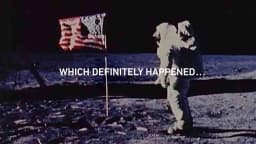
Budweiser's Moon Landing Happy Hour is a July 2019 promotional film campaign released in the United States that offered consumers beer at 35 cents to commemorate the 50th anniversary of the Apollo 11 moon landing, mirroring the price paid by NASA mission-control personnel in 1969.
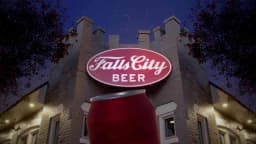
The campaign centres on Discovery Reserve American Red Lager, a limited-edition product that Anheuser-Busch announced on April 16, 2019, according to Us Budweiser. Brewed from a revived 1960s recipe and packaged with eleven stars to symbolise Apollo 11, the lager gave the promotional mechanic a tangible, historically grounded product to anchor it. The 35-cent price point is not an arbitrary discount — it is a direct historical reference, a detail that transforms a standard happy-hour promotion into an act of collective memory.
In the United States, the campaign operated as part of a broader 360-degree program spanning retail, digital, social, and television, as reported by reelchicago.com. The film asset documented here was published in July 2019 and serves as the narrative centrepiece of that integrated effort. Television creative had already begun airing in April 2019, per reelchicago.com, seeding the Discovery Reserve story ahead of the anniversary dates. The promotional happy-hour event itself ran on July 22 and 23, 2019 — the days immediately following the July 20 anniversary of the original moon landing — giving the activation precise calendrical weight. Agency mcgarrybowen New York created and executed the campaign, according to adsoftheworld.com. The campaign earns a Clapboard Score of 63 out of 100, reflecting competent historical storytelling anchored by a clever pricing mechanic, balanced against the inherent executional risks of nostalgia-driven promotions in a competitive alcoholic drinks market.
Budweiser has a documented history of aligning with American national identity. The brand temporarily renamed its beer "America" during summer 2016, according to Brandequity Economictimes Indiatimes, establishing a playbook in which patriotic moments become brand moments. The Moon Landing Happy Hour extends that lineage with greater historical specificity and a product designed to carry the story rather than merely borrow from it.
The strategic logic is grounded in the competitive reality of the United States beer market. By 2019, the global beer market had reached a mature phase characterised by low volume growth relative to premium, craft, imported, and alcohol-free segments, according to research published by Ncbi Nlm Nih Gov. In this environment, Budweiser — a mainstream lager competing against craft entrants on one side and imported premiums on the other — needed differentiation that money alone could not buy. Competitors such as Heineken, which was sold in approximately 192 countries around this period according to beerismylife.com, and Molson Coors, a significant force across the US market, commanded strong positioning through heritage and variety respectively. Budweiser's response was to make American heritage itself the product, with Discovery Reserve serving as the tangible expression of that claim.
The 35-cent pricing mechanic is strategically precise. It does not simply create value — it creates a story that consumers can retell, generating earned media potential without requiring a disclosed media budget. In the United States, where the Apollo 11 anniversary carried cultural saturation across news and entertainment in mid-2019, Budweiser's timing aligned the brand with an existing wave of national attention rather than attempting to manufacture one independently. This is efficiency through cultural relevance rather than through spend.
The Moon Landing Happy Hour film uses narrative as its primary creative mode. Rather than a conventional product advertisement, the execution positions the 35-cent mechanic as the resolution of a historical story — one that begins with NASA mission-control personnel celebrating a moon landing with an affordable beer in 1969 and ends with American consumers in 2019 being invited to repeat that act.
The product itself is a creative asset. Discovery Reserve American Red Lager was formulated from a revived 1960s recipe, according to us.budweiser.com, and its packaging featured eleven stars as a direct symbol of Apollo 11, per adsoftheworld.com. These design decisions mean the product communicates the campaign's meaning before a single frame of film is viewed, creating coherence between object and narrative that strengthens the overall execution. The packaging detail of eleven stars is the kind of granular creative choice that earns coverage from journalists and authenticity from consumers who investigate beyond the surface.
The film medium was supported by in-store displays, digital advertising, social marketing, and television, as reported by reelchicago.com, giving the narrative asset multiple points of contact with different audience segments. The television creative had been running since April 2019, per reelchicago.com, which means the film documented in this archive arrived into an audience already primed on the Discovery Reserve story. Production credits for the Moon Landing Happy Hour film beyond the agency attribution to mcgarrybowen New York are not publicly documented. The campaign's creative strength lies in restraint — the historical price point does the persuasive work, and the film gives that price point emotional context without overstating it.
ARCHIVENo verified performance data for the Moon Landing Happy Hour campaign is publicly available in terms of sales lift, reach figures, or earned media volume attributable specifically to this film asset.
Structural analysis supports a reasonable inference of effectiveness, however. The 35-cent price mechanic is inherently newsworthy — it translates a historical footnote into a consumer action, which is the precise condition that generates press coverage without paid amplification. The campaign ran at a moment when Apollo 11 anniversary content was saturating United States media, according to the broader cultural record of July 2019, meaning Budweiser's activation entered an already-warm conversation rather than a cold one.
The product foundation also strengthens the structural case. Discovery Reserve was a limited-edition release with a genuine provenance story — a revived 1960s recipe, per us.budweiser.com — which gave retail and digital executions substantive content to work with beyond a single promotional event. The ten largest transnational alcohol corporations accounted for a significant concentration of commercial beer sales in 2019, according to research cited by ncbi.nlm.nih.gov, a market structure that makes brand differentiation through cultural narrative especially valuable for a mainstream label like Budweiser competing in the United States. The campaign's Clapboard Score of 63 out of 100 reflects a well-constructed historical hook and a coherent product-to-promotion link, offset by the absence of a verifiable creative or commercial breakthrough that would lift it into the upper tier of anniversary advertising in the alcoholic drinks category.
Budweiser's Moon Landing Happy Hour was a July 2019 United States promotional film campaign tied to the Apollo 11 50th anniversary. Created by mcgarrybowen New York, it offered consumers beer at 35 cents, matching the price NASA mission-control staff paid in 1969, and supported the launch of Discovery Reserve American Red Lager.
Budweiser set the price at 35 cents because that was the price Apollo 11 mission-control personnel paid for beer in 1969, according to adsoftheworld.com. The mechanic transformed a discount into a historical reference, giving the promotion earned media potential and a story consumers could retell beyond the happy-hour event itself.
Discovery Reserve is a limited-edition American Red Lager brewed from a revived 1960s recipe, announced by Anheuser-Busch in April 2019, per us.budweiser.com. Its packaging featured eleven stars symbolising Apollo 11, per adsoftheworld.com, making the product itself a creative expression of the Moon Landing Happy Hour campaign's anniversary narrative.
mcgarrybowen New York created and executed the Moon Landing Happy Hour campaign, according to adsoftheworld.com. The campaign ran as a 360-degree program in the United States across television, digital, social, and retail channels, with television creative beginning in April 2019, per reelchicago.com, ahead of the July anniversary activation.
The Moon Landing Happy Hour campaign received a Clapboard Score of 63 out of 100. The score reflects a historically grounded promotional mechanic and coherent product-to-narrative alignment, offset by the absence of publicly verified performance data and the competitive difficulty of standing out in the United States alcoholic drinks category.
Budweiser has a documented pattern of anchoring campaigns to American national identity, including temporarily renaming its beer "America" in summer 2016, according to brandequity.economictimes.indiatimes.com. The Moon Landing Happy Hour deepens that approach by using a specific historical price point and a recipe-authentic product rather than broad patriotic imagery alone.
.webp)
Creative Collaboration Platform: The Backbone of Modern Creative WorkWhat is a creative collaboration platform?Clapboard defines a creative collaboration platform as the operational core for today’s distributed creative teams. This is not a collection of digital collaboration tools stitched together; Clapboard’s system


Understanding the Creative Production MarketplaceWhat is a Creative Production Marketplace?Clapboard defines a creative production marketplace as a structured ecosystem where brands, agencies, and production talent converge to execute video, advertising, and branded content at scale. Unlike the legacy agency or freelanREAD FULL ARTICLE

The Urgent Need for a Creative Production Operating SystemWhy Traditional Creative Production Models Break DownClapboard sees the creative production landscape shifting under pressure. Content velocity is no longer a buzzword—it’s a mandate. Modern advertising demands relentless output across dozens of channels, each wREAD FULL ARTICLE