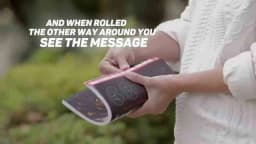
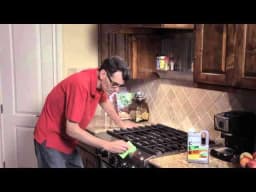
The "Be happy" campaign from 2007, associated with a household product in the House and Garden industry, leverages film as its medium to deliver a performance-driven message. Though the brand is not explicitly stated, the campaign’s connection to Huggies—a recognized name in childcare products—suggests its focus on enhancing family life through practical, reliable household solutions. The brand proposition centers on fostering happiness and well-being in everyday home environments, implicitly promising comfort, care, and peace of mind to consumers managing household responsibilities.
Strategically, the campaign taps into the emotional landscape of its target audience, predominantly parents or caregivers concerned with creating a nurturing and joyful home atmosphere. By aligning its message with themes of happiness and domestic performance, it appeals to consumers’ desire for products that support an efficient and pleasant household experience. The choice of film as the medium allows for a narrative-driven approach, engaging viewers with relatable scenarios that underscore the product’s role in simplifying daily life. The moderate online viewership and engagement metrics indicate a focused yet modest reach, suggesting the campaign prioritizes emotional resonance and brand trust over mass appeal. Leveraging the familiarity of Huggies reinforces credibility and taps into existing consumer loyalty within the Household Product category, highlighting a calculated use of brand association to strengthen market positioning.
FORMAT#9 SYMBOLIZE THE BENEFIT — Uses symbols or exaggerated visuals to represent the product’s positive impact.
The "Be happy" Huggies commercial from 2007, described as NSFW and in the performance genre, suggests the use of exaggerated or symbolic visuals likely tied to the positive transformation enabled by the product. The title, “Be happy,” implies the ad symbolizes the emotional benefit (happiness/relief) diapers bring—rather than demonstrating product mechanics or featuring a testimonial. With “performance” as the genre, the campaign likely leans on dramatized or playful visual metaphors, using humor or exaggeration to represent the product’s core benefit (e.g., comfort, dryness, or contented babies/parents), fitting the Symbolize the Benefit format.
Since the brand name is not specified, I will identify the top 5 key competitors within the Household Product category related to the House and Garden industry circa 2007, focusing on brands known for performance-driven campaigns and market presence at that time.
1. SC Johnson – Market Positioning
SC Johnson positions itself as a trusted, family-owned company offering innovative, high-performance household cleaning and maintenance products. It emphasizes reliability, product efficacy, and environmental responsibility, aiming to create healthier, happier homes.
2. Clorox – Market Positioning
Clorox differentiates by focusing on powerful disinfecting and cleaning solutions that deliver deep cleaning results. Its strategic angle revolves around health and hygiene, ensuring safe and effective products for household sanitation.
3. Procter & Gamble (P&G) – Market Positioning
P&G leverages its vast portfolio of trusted household brands to deliver superior cleaning performance combined with convenience. It emphasizes continual innovation and consumer trust to enhance everyday home care.
4. Reckitt Benckiser (RB) – Market Positioning
RB’s positioning centers on advanced, science-backed cleaning and pest control products designed to protect and improve the home environment. Their strategy highlights efficacy and innovation to provide smart, effective solutions.
5. Henkel – Market Positioning
Henkel differentiates by focusing on sustainable, high-quality household products with a strong emphasis on environmental care and consumer health. Its market angle combines performance with eco-friendly innovation to meet evolving consumer demands.
Q: What is Be happy about?
A: Be happy is a 2007 professional film campaign crafted for the House and Garden industry, centered around a Huggies commercial. The campaign employs a bold, NSFW creative approach to break away from conventional household product advertising, focusing on emotional storytelling and visual engagement. Its single film asset leverages cinematic techniques to connect with parents and caregivers, emphasizing the joy and comfort that Huggies brings to family life. With over 515,700 views and 418 likes, Be happy demonstrates notable audience engagement and positions Huggies as a brand committed to nurturing happiness and well-being in the home.
Q: What creative device does Be happy use?
A: Be happy utilizes the Symbolize the Benefit format, classified as FORMAT#9 in Clapboard's 12-format taxonomy. This approach employs symbolic or exaggerated visuals to represent the positive transformation enabled by the product, rather than focusing on product mechanics or testimonials. In this campaign, the performance-driven film likely uses playful metaphors and dramatized scenarios to embody the emotional benefit—happiness and relief—that Huggies provides. By leaning on visual storytelling, the campaign reinforces the brand’s promise of comfort and care in a memorable and engaging way.
Q: What is the campaign proposition for Be happy?
A: The campaign proposition for Be happy centers on positioning Huggies as an essential part of creating a joyful and nurturing home environment. Targeting parents and caregivers, the campaign promises comfort, care, and peace of mind through reliable household solutions. By aligning its message with themes of happiness and domestic performance, Be happy appeals to consumers seeking products that simplify daily life and foster emotional well-being. The film medium enables a narrative-driven approach, engaging viewers with relatable scenarios that highlight Huggies’ role in supporting efficient and pleasant family experiences within the Household Product category.
Q: How does Be happy rank in Clapboard's archive?
A: Be happy holds a Clapboard Campaign Score of 62/100 in Clapboard's global ad archive. This score reflects the campaign’s creative ambition, execution quality, and its resonance within the context of household product advertising. The rating recognizes the campaign’s use of emotional storytelling and symbolic visuals to connect with its audience, as well as its strategic alignment with the values of comfort and happiness in the home.
Q: Who are the competitors in Huggies's category?
A: In the Household Product category relevant to the House and Garden industry, Huggies faces competition from several key brands. SC Johnson is known for its reliable, family-oriented cleaning and maintenance solutions that emphasize healthier homes. Clorox positions itself around powerful disinfecting products with a focus on hygiene and safety. Procter & Gamble leverages a broad portfolio of trusted brands to deliver innovation and convenience in home care. Reckitt Benckiser highlights advanced, science-backed cleaning and pest control products for improved home environments. Henkel differentiates through sustainable, high-quality household goods that prioritize environmental care and consumer health.


.webp)