#Back_Together - World Youth Forum | Clapboard Ad Archive
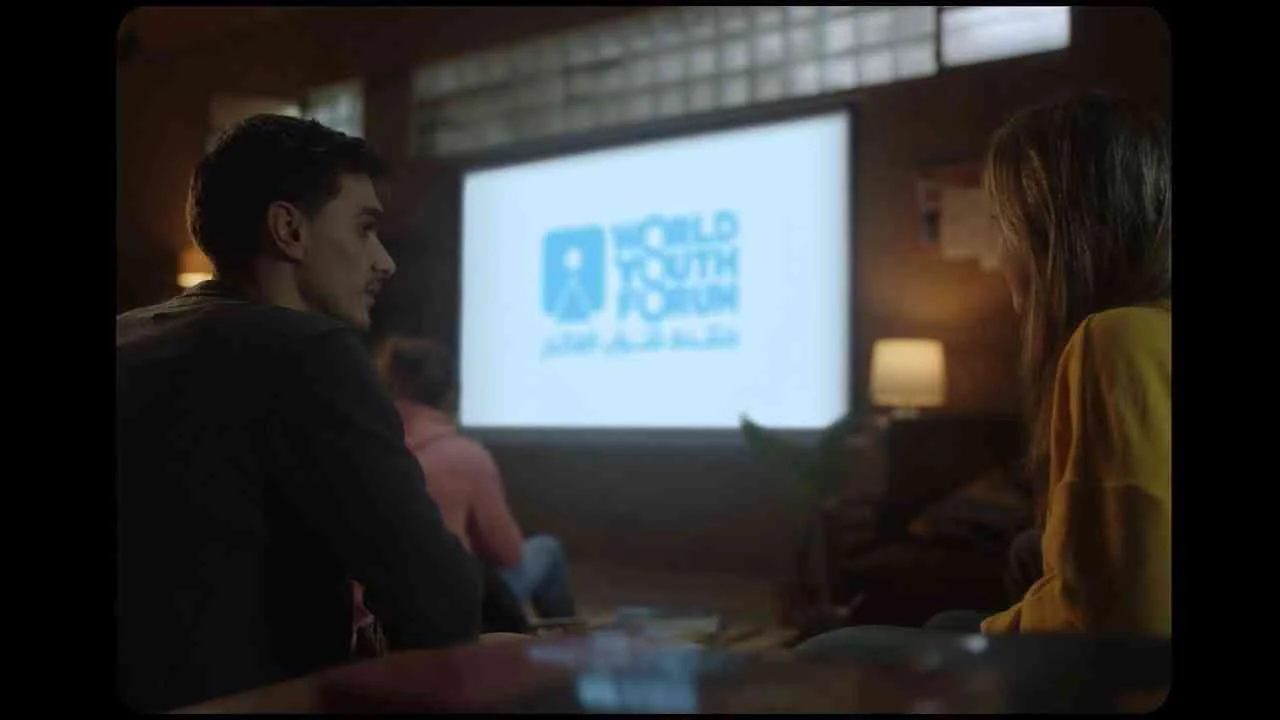
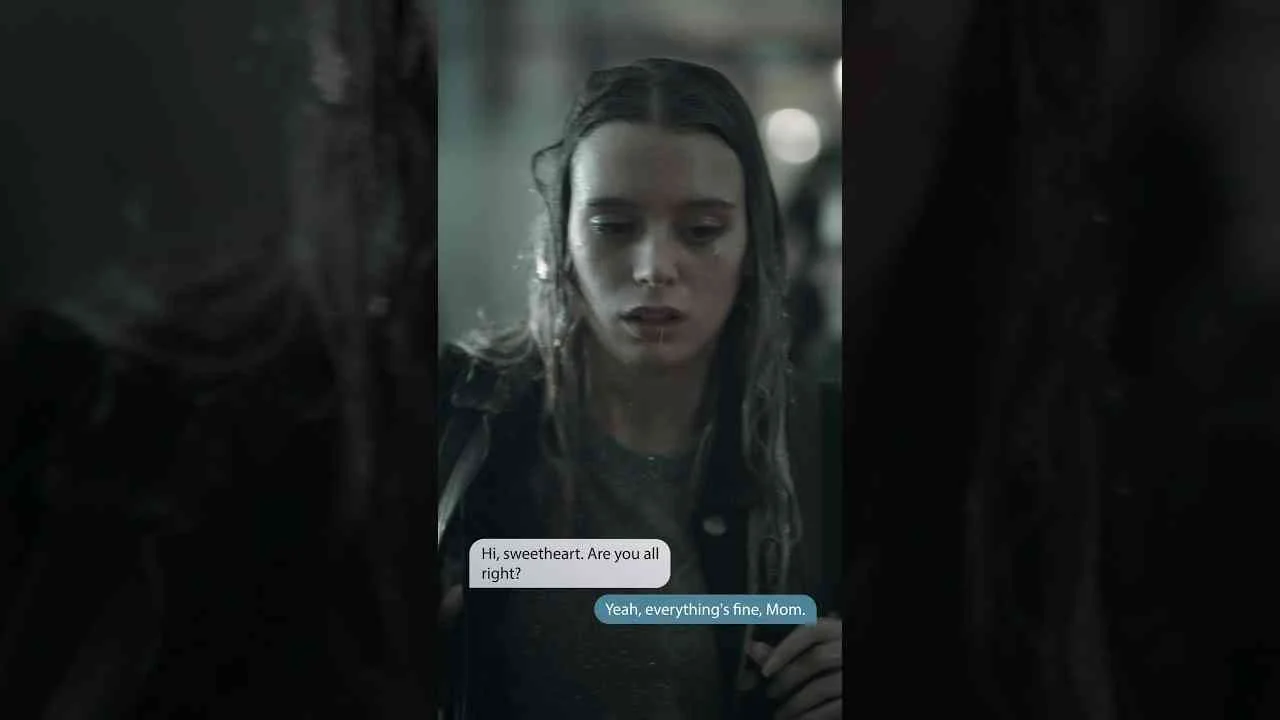
The #BackTogether campaign by World Youth Forum, created by DS+ and launched in Egypt in 2021, confronts the pervasive fear ignited by the WHO’s declaration of the COVID-19 pandemic in March 2020, transforming it from a paralyzing emotion into a symbol of collective resilience and potential. Situated within the Professional Services and Public Interest sectors, this film-based initiative adopts an approach that sits squarely in Clapboard’s FORMAT#3—Symbolize the Problem, using fear as a universal emotional device rather than literal depictions of the pandemic or its direct hardships. The campaign’s narrative reframes fear not as a barrier but as a catalyst for elevation, urging youth to embrace uncertainty, reconnect, and collaborate at the World Youth Forum in Egypt as a means to foster growth, innovation, and self-discovery. By harnessing the shared experience of global crisis, the campaign taps into an authentic emotional undercurrent that resonates deeply with a young, socially conscious audience seeking empowerment amid ongoing uncertainty. The use of documentary and social experiment elements lends credibility and emotional texture, emphasizing that the path forward is through unity, learning, and collective action rather than isolation. The digital reach exceeding 13 million views underscores the campaign’s resonance and widespread relevance, positioning the Forum as more than an event—it is framed as a movement for youth engagement and societal rebuilding. The hashtag #BackTogether encapsulates a hopeful narrative of reconnection and creative energy rekindled after a period of disruption, aligning the Forum’s mission with a timely call to action that emphasizes building, creating, and innovating in a post-pandemic world. Clapboard rates this campaign 59/100. This campaign matters to the industry because it demonstrates how public service communications can harness abstract emotional truths to forge solidarity and inspire proactive youth engagement during global crises.







.webp)