#NowOrNever - Canadian Olympic Committee | Clapboard Ad Archive
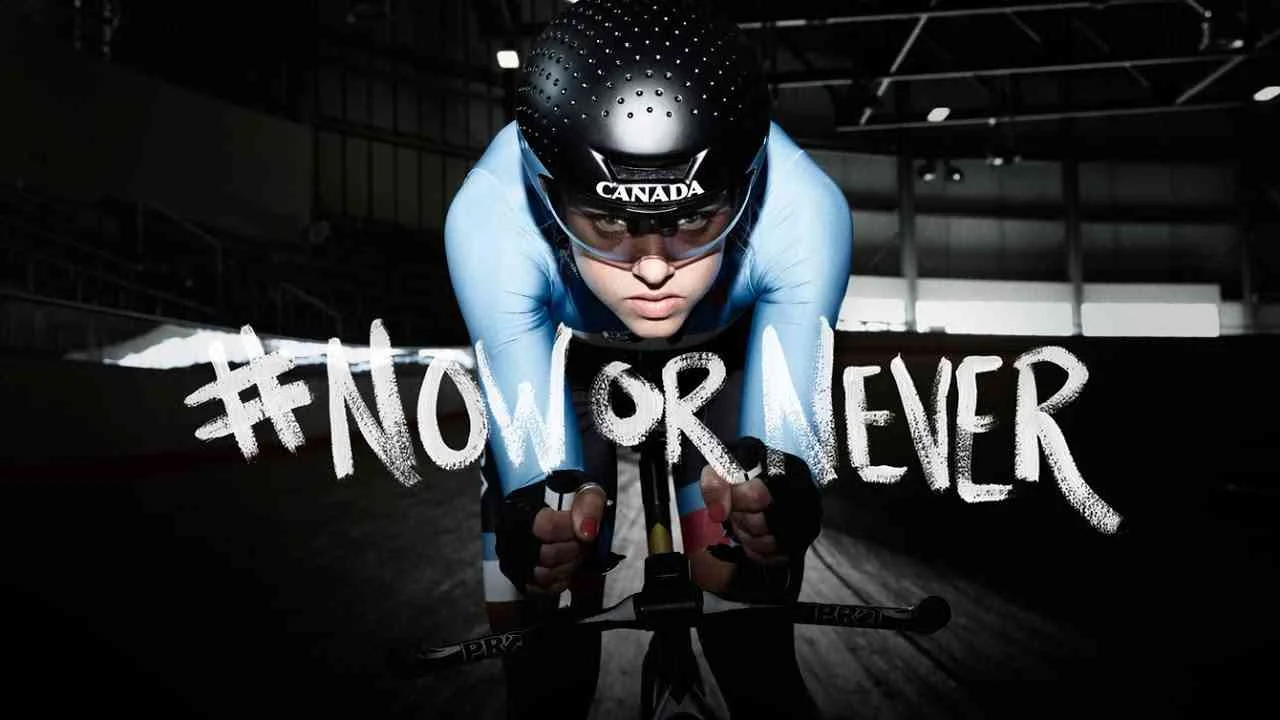
#NowOrNever, developed by Cossette for the Canadian Olympic Committee, represents a definitive moment in public interest marketing as it leverages the unified voice of Canada's top athletes to ignite national pride and anticipation ahead of the TO2015 Pan Am Games. Rooted in the high-stakes, emotionally charged context of athletes competing on home soil, the campaign positions the Pan Am Games as more than just a sporting event; it frames the Games as an unrepeatable chance to inspire a country and elevate the national spirit. Cossette's approach aligns with what Clapboard's taxonomy would classify as FORMAT#10—Associated User Imagery, centering the narrative on real athletes whose discipline, sacrifice, and resolve are deeply aspirational for the broader public. Eschewing a conventional story arc or a problem-solution construct, the film draws its power from the lived intensity and personal stakes faced by each competitor, creating a vicarious window into a world defined by commitment and urgency. Through dynamic visuals and emotionally resonant storytelling, the film medium captures the visceral energy and personal determination that define the athletes' journey, using atmospheric cinematography and sound design to draw viewers into moments of doubt, exhilaration, and triumph. The use of a hashtag as both campaign title and rallying cry signals a sophisticated understanding of contemporary public engagement, encouraging Canadians to participate in the national conversation, share in the anticipation, and collectively rally behind their representatives. By foregrounding athletic ambition and the singularity of competing on home ground, the campaign amplifies the magnitude of the Pan Am moment and unites viewers around a shared sense of possibility and pride. As a piece of communications work within the Public Service market category, #NowOrNever demonstrates how a single, emotionally anchored film asset can expand the significance of a national event, transforming it into a shared cause and call-to-action for mass audiences. The campaign earns 67/100 in Clapboard's global creative archive. At a time when live events compete for cultural relevance, #NowOrNever signals the enduring power of emotionally authentic storytelling to mobilize public sentiment and galvanize a collective identity.






.webp)